BookBrief
Zeitoun cover
Archivist's Choice

Zeitoun

Dave Eggers (2009)

Genre

Politics / Biography / Memoir / History

Reading Time

7-9 hours

Key Themes

See below

Track Your Reading

Sign in to track this book

After Hurricane Katrina, a Syrian-American man's efforts to help his community are misunderstood, leading to his imprisonment during the War on Terror.

Core Idea

Dave Eggers' "Zeitoun" documents Abdulrahman Zeitoun's experience after Hurricane Katrina. Zeitoun, a Syrian-American painting contractor, stayed in New Orleans to protect his property and help neighbors. The book shows how, after a major disaster, fear and a lack of civil liberties can lead to the wrongful detention of innocent people. Through Zeitoun's story, Eggers shows how the 'War on Terror' affected disaster response, detailing the personal and family harm when authorities ignore due process and target someone during a crisis. The book states that such wrongs cause lasting psychological damage and show how fragile the American Dream is for those seen as outsiders.
Reading time
7-9 hours
Difficulty
Medium
✓ Read this if...
You want to understand the human cost of government overreach and xenophobia during a domestic crisis, and are interested in a true story of resilience and injustice in the aftermath of Hurricane Katrina.
✗ Skip this if...
You are looking for a solely uplifting narrative about disaster recovery or prefer to avoid detailed accounts of wrongful imprisonment and systemic injustice.

Core idea

The central argument and framework that powers the entire book.

Dave Eggers' "Zeitoun" documents Abdulrahman Zeitoun's experience after Hurricane Katrina. Zeitoun, a Syrian-American painting contractor, stayed in New Orleans to protect his property and help neighbors. The book shows how, after a major disaster, fear and a lack of civil liberties can lead to the wrongful detention of innocent people. Through Zeitoun's story, Eggers shows how the 'War on Terror' affected disaster response, detailing the personal and family harm when authorities ignore due process and target someone during a crisis. The book states that such wrongs cause lasting psychological damage and show how fragile the American Dream is for those seen as outsiders.

At a glance

Reading time

7-9 hours

Difficulty

Medium

Read this if...

You want to understand the human cost of government overreach and xenophobia during a domestic crisis, and are interested in a true story of resilience and injustice in the aftermath of Hurricane Katrina.

Skip this if...

You are looking for a solely uplifting narrative about disaster recovery or prefer to avoid detailed accounts of wrongful imprisonment and systemic injustice.

Key Takeaways

1

The Invisible Victims of Disaster

Beyond the storm's immediate wrath, systemic failures create a secondary, human-made catastrophe.

Quote

The storm was over. The flooding was over. But the chaos was just beginning.

Zeitoun shows how natural disasters are made worse by institutional errors and human rights abuses. Hurricane Katrina brought wind and water, but the government's response, especially the militarization of New Orleans and the suspension of due process, created a destructive environment. Zeitoun, an American resident and entrepreneur, became an 'enemy combatant' in his own home, caught in a detention system similar to the post-9/11 'War on Terror.' This shows how official stories often ignore the suffering of people caught in bureaucra...

Supporting evidence

Zeitoun's arbitrary arrest and detention in Camp Greyhound, a makeshift prison, without charge or communication for weeks. He was labeled a 'looter' and 'terrorist' by authorities with no evidence, simply for being present in his own property after the storm.

Apply this

When evaluating disaster responses, look beyond the immediate physical damage and rescue efforts. Investigate the human rights implications, the treatment of displaced persons, and the potential for overreach by security forces. Advocate for transparency and accountability in emergency management.

disaster-response-failurehuman-rights-abusepost-katrina-new-orleans
2

The Erosion of Due Process

In times of crisis, constitutional rights can be alarmingly fragile, especially for those perceived as 'other.'

Quote

They were treated like criminals, like terrorists, simply for being where they belonged.

The book shows how easily basic legal protections can be suspended during a national emergency. Zeitoun, a Syrian-American Muslim, was denied an attorney, information about charges, and communication with his family. This happened to many others detained after Katrina. The book argues that the 'War on Terror' mindset, which accepted indefinite detention and suspicion of certain ethnic groups, affected domestic disaster response, creating an unfair justice system. This highlights the importance of protecting due process, especially dur...

Supporting evidence

Zeitoun and others were held for weeks in a bus terminal converted into a prison (Camp Greyhound), denied phone calls, legal counsel, and even basic information about their alleged crimes. Their 'booking' process was non-existent, and their release often came without explanation.

Apply this

Support organizations that monitor civil liberties during emergencies. Educate yourself and others on constitutional rights, emphasizing that these rights are not contingent on one's ethnicity or perceived threat level. Demand accountability from government agencies when due process is violated.

civil-libertiesdue-processwar-on-terror-domestic
3

The Power of Ordinary Heroism

Amidst overwhelming destruction, individual acts of selfless courage provide hope and humanity.

Quote

He was just trying to do good. And for that, he was punished.

Before his unjust detention, Zeitoun showed quiet heroism after the disaster. While his family evacuated, he stayed to protect his property and help others. In his canoe, he rescued neighbors, fed abandoned animals, and helped elderly people trapped in their homes. His actions contrast with the fear, panic, and occasional opportunism that can happen during such events. This shows human resilience and the impact of individuals who choose compassion and community service even when facing risk and system failures.

Supporting evidence

Zeitoun's daily canoe trips through flooded New Orleans, checking on elderly residents, delivering water, and rescuing pets. He helped a group of nurses reach a hospital and provided assistance to a struggling family he encountered.

Apply this

Recognize and celebrate the unsung heroes in your community during crises. Volunteer your time or resources to local relief efforts. Emphasize community-led solutions and mutual aid networks as vital complements to official responses.

community-resiliencehumanitarianismpost-katrina-good-samaritans
4

The Devastation of Family Separation

Unjust detention inflicts profound psychological trauma on both the detained and their loved ones.

Quote

The not knowing was the worst part. It was a torture of its own.

Zeitoun shows the harm arbitrary detention causes families. While Abdulrahman was imprisoned, Kathy and their children faced weeks of uncertainty, fearing he was dead or lost. The inability to communicate or find him created a second trauma, leaving Kathy to manage the evacuation and care for their children alone, under great emotional stress. This shows that the cruelty of such detentions extends beyond the individual, causing lasting psychological harm to the entire family. It highlights how institutional failures can break down per...

Supporting evidence

Kathy Zeitoun's desperate and fruitless attempts to locate Abdulrahman, calling hospitals, shelters, and police departments, receiving no information. Her children's distress and fear for their father's life, and the subsequent strain on their marriage and family dynamics.

Apply this

Advocate for policies that ensure immediate communication for detained individuals, especially during emergencies. Support legal aid organizations that work to reunite families separated by unjust detentions. Recognize the long-term psychological support needed for families affected by such trauma.

family-traumapsychological-impact-detentionuncertainty-grief
5

The Cost of 'Othering' in Crisis

Prejudice and xenophobia exacerbate disaster, turning victims into suspects.

Quote

He was a Muslim. He was a Syrian. In the new America, that was enough.

The book shows how existing societal prejudices, like Islamophobia and xenophobia, grew during the chaos of Katrina. Zeitoun's Syrian-American background made him a target for suspicion and unfair treatment. His experience reveals that in times of fear, the 'other' is easily blamed and stripped of rights. The story criticizes the post-9/11 atmosphere, which created general distrust of Muslim communities, leading to tragic results for people like Zeitoun. This emphasizes that crises do not remove biases; instead, they often allow them ...

Supporting evidence

The interrogations Zeitoun faced, focusing on his ethnicity, his travels, and his religion, rather than any actual crime. The casual dismissal of his identity as a legitimate American resident and business owner by authorities.

Apply this

Actively challenge xenophobic and Islamophobic narratives, especially during times of crisis. Support interfaith dialogue and community-building initiatives. Advocate for policies that ensure equitable treatment for all citizens, regardless of their background, during emergencies.

islamophobiaxenophobiaracial-profiling
6

The Fragility of the American Dream

For immigrants, the promise of security and justice can be brutally shattered by systemic failures.

Quote

He had built a life here, believed in this country. And it had turned on him.

Zeitoun's story illustrates how uncertain the American Dream is for many immigrants. He came to the U.S., worked hard, built a business, raised a family, and helped his community — showing the ideals of assimilation and enterprise. Yet, when he needed help most, the country he adopted turned against him, treating him as an outsider and a threat. His experience is a reminder that for some, the 'dream' is conditional, easily lost due to fear, prejudice, and a broken justice system. This makes us question who truly belongs in America and...

Supporting evidence

Zeitoun's entrepreneurial success with his painting business, his deep roots in the New Orleans community, and his unwavering loyalty to the U.S., contrasted with his arbitrary arrest and the assumption of guilt based on his background.

Apply this

Support comprehensive immigration reform that prioritizes human dignity and due process. Engage in discussions about what it means to be 'American' and challenge exclusionary definitions. Advocate for policies that protect the rights of all residents, regardless of immigration status, during emergencies.

immigrant-experienceamerican-dream-critiquesystemic-injustice
7

The Psychological Scars of Injustice

Even after release, the trauma of wrongful detention leaves indelible marks on the psyche.

Quote

He was free, but he wasn't free. Not truly.

The book details not only the physical ordeal of Zeitoun's detention but also its lasting psychological effects. After his release and reunion, Zeitoun struggled with paranoia, distrust of authority, and a deep sense of betrayal. His once-positive outlook was replaced by anxiety and alienation. This shows the invisible wounds caused by state-sanctioned injustice, arguing that 'freedom' is not just the absence of bars, but the return of trust, dignity, and psychological safety. The story asks us to recognize and address the long-term m...

Supporting evidence

Zeitoun's changed demeanor post-release, his difficulty sleeping, his avoidance of authorities, and the strain on his relationship with Kathy as he grappled with his trauma and sense of injustice. He became withdrawn and suspicious.

Apply this

Support mental health services for individuals who have experienced trauma, particularly those related to wrongful detention or state abuse. Advocate for restorative justice practices that address the psychological harm caused by injustice, not just the legal outcomes.

ptsd-injusticetrauma-recoverypsychological-effects-detention
8

The Power of Narrative and Advocacy

Storytelling can expose hidden truths and catalyze change, giving voice to the voiceless.

Quote

The only way to fight the silence was with a story.

Dave Eggers's choice to tell Zeitoun's story shows the power of narrative. By researching and presenting the facts of Zeitoun's experience, Eggers revealed a hidden part of the Katrina disaster and how the 'War on Terror' affected domestic civil liberties. The book itself became an act of advocacy, making readers confront truths about justice, prejudice, and government overreach. This highlights the role of journalists, authors, and activists in sharing marginalized voices and challenging official stories, showing that well-told stori...

Supporting evidence

The book's extensive research, interviews with the Zeitoun family and other detainees, and its impact in raising public awareness about the abuses in post-Katrina New Orleans. The fact that Zeitoun's story was largely unknown before Eggers's book.

Apply this

Support investigative journalism and non-fiction authors who tackle difficult social issues. Share stories of injustice and advocate for those whose voices are suppressed. Engage in critical media consumption and question dominant narratives.

investigative-journalismsocial-justice-advocacypower-of-storytelling
9

The Interconnectedness of Crises

Natural disasters and political policies often intersect, creating complex humanitarian challenges.

Quote

Katrina was a storm, but what happened afterward was a policy.

Zeitoun shows that crises are rarely isolated. Hurricane Katrina, a natural disaster, became connected to the political climate of the 'War on Terror.' Policies and mindsets from 9/11 directly influenced how authorities responded to the chaos in New Orleans, leading to the city's militarization and the suspension of civil liberties. This argues that understanding complex humanitarian situations requires seeing how environmental factors, government policies, societal prejudices, and international relations connect. It calls for a compl...

Supporting evidence

The immediate deployment of military and federal agents to New Orleans, the use of 'enemy combatant' rhetoric, and the establishment of detention centers like Camp Greyhound, all reflecting tactics and anxieties from the post-9/11 era, superimposed onto a natural disaster zone.

Apply this

Adopt an interdisciplinary approach to understanding and responding to crises. Advocate for policies that consider the broad social, political, and environmental impacts of both natural disasters and security measures. Support integrated relief and development efforts.

crisis-intersectionspolicy-impact-disasterglobal-local-connections
10

The Lingering Quest for Justice

For victims of systemic injustice, true closure often remains elusive, highlighting ongoing accountability gaps.

Quote

They were never really apologized to. Never truly accounted for what happened.

Despite the attention from Eggers's book and media, the Zeitoun family, and many others, never received a formal apology, compensation, or full accountability from the authorities responsible for their wrongful detention. This shows a failure in justice systems: the difficulty of getting true amends for victims of state-sanctioned human rights abuses, especially during perceived emergencies. The lack of closure highlights the challenges in holding powerful institutions accountable and the ongoing struggle many face in rebuilding their...

Supporting evidence

The fact that no officials were ever formally reprimanded or prosecuted for the mass arbitrary detentions in post-Katrina New Orleans. The Zeitouns' personal struggle to move past the trauma without official acknowledgement or reconciliation.

Apply this

Demand independent investigations into allegations of human rights abuses by state actors. Support legal efforts to seek reparations for victims of wrongful detention. Advocate for stronger oversight mechanisms and whistleblower protections to prevent future abuses and ensure accountability.

accountability-gaprestorative-justiceunresolved-injustice

Critical analysis

Notable Quotes

He believed in the goodness of people, in the goodness of this country, and in the goodness of God.

Describing Abdulrahman Zeitoun's character and worldview before Hurricane Katrina.

The water was rising, and it was not stopping.

Observations during the flooding of New Orleans after the levees broke.

He paddled through the city as if it were his own private lake, saving those he could.

Zeitoun using a canoe to rescue people and animals in the flooded streets.

In the absence of a government, he became the government.

Zeitoun taking initiative to help others when official aid was absent.

They were treated like criminals, not citizens.

Reflecting on the unjust detention of Zeitoun and others post-Katrina.

Fear is a powerful weapon, and it was being wielded with great effect.

Commentary on the atmosphere of suspicion and paranoia after the hurricane.

The storm had washed away the surface, revealing what lay beneath.

Metaphor for how Katrina exposed underlying social and political issues.

He was a man without a country, in a country he loved.

Zeitoun's feeling of alienation as a Syrian-American after his detention.

Justice delayed is justice denied, and for him, it was both.

On the prolonged legal struggles and lack of accountability Zeitoun faced.

The city was broken, but its people were not.

Highlighting the resilience of New Orleans residents despite the devastation.

In times of crisis, we see the best and worst of humanity.

A reflection on the varied human responses to the disaster.

His faith was tested, but it did not break.

Zeitoun maintaining his religious beliefs through hardship and injustice.

The system failed, but individuals did not.

Contrasting institutional failures with personal acts of kindness and bravery.

Home is not a place, but a feeling of safety, and that had been stolen.

Zeitoun's loss of security and belonging after his traumatic experiences.

Quiz

Test Your Knowledge

Ready to see how well you understood this book? Take our interactive quiz with 10 questions.

10
Questions
~5
Minutes
?
Best Score

Key Questions (FAQ)

'Zeitoun' is a non-fiction book that tells the true story of Abdulrahman Zeitoun, a Syrian-American man in New Orleans who stayed behind during Hurricane Katrina to protect his property. The narrative follows his humanitarian efforts in the flooded city, his wrongful arrest by authorities, and his family's struggle amid the chaos of the disaster and post-9/11 policies.

About the author

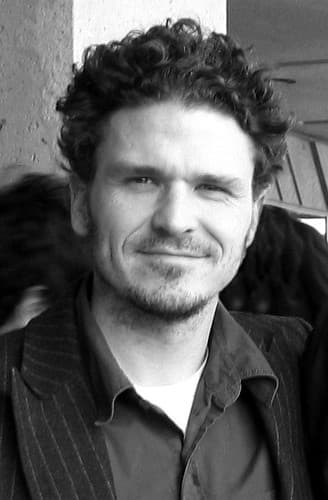
Dave Eggers

Dave Eggers is an American writer, editor, and publisher. He wrote the 2000 best-selling memoir A Heartbreaking Work of Staggering Genius. Eggers is also the founder of Timothy McSweeney's Quarterly Concern, a literary journal; a co-founder of the literacy project 826 Valencia and the human rights nonprofit Voice of Witness; and the founder of ScholarMatch, a program that matches donors with students needing funds for college tuition. His writing has appeared in several magazines.