BookBrief
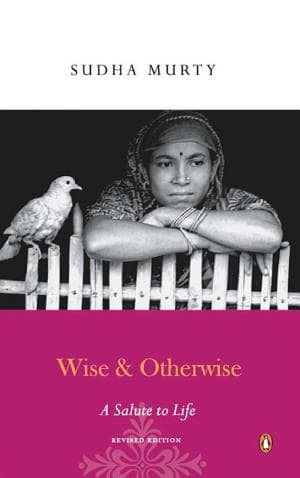
Wise & Otherwise cover
Archivist's Choice

Wise & Otherwise

Sudha Murthy (2006)

Genre

General

Reading Time

180 min

Key Themes

See below

Track Your Reading

Sign in to track this book

Through fifty vignettes, Sudha Murty unveils the poignant spectrum of human nature across India, from the depths of abandonment to the heights of humble gratitude, all recounted with wry humor and heart-touching directness.

Core Idea

Sudha Murty's "Wise & Otherwise" collects vignettes from her travels and encounters across India. Each story, often just a few pages long, reflects on human behavior, morality, and the subtle wisdom in everyday life. The book shows that lessons about humility, gratitude, the impact of actions, and the true meaning of wealth come not from grand philosophies, but from observing ordinary people, often those on the margins of society. These stories reveal universal truths beneath cultural specifics.
Reading time
180 min
Difficulty
Easy
✓ Read this if...
You enjoy short, insightful moral stories rooted in real-life observations, appreciate cultural reflections on human nature, or are looking for a gentle, thought-provoking read that offers diverse perspectives on life's simple yet profound lessons.
✗ Skip this if...
You prefer deep dives into complex academic theories, extensive research-backed arguments, or a single cohesive narrative rather than a collection of independent short stories.

Core idea

The central argument and framework that powers the entire book.

Sudha Murty's "Wise & Otherwise" collects vignettes from her travels and encounters across India. Each story, often just a few pages long, reflects on human behavior, morality, and the subtle wisdom in everyday life. The book shows that lessons about humility, gratitude, the impact of actions, and the true meaning of wealth come not from grand philosophies, but from observing ordinary people, often those on the margins of society. These stories reveal universal truths beneath cultural specifics.

At a glance

Reading time

180 min

Difficulty

Easy

Read this if...

You enjoy short, insightful moral stories rooted in real-life observations, appreciate cultural reflections on human nature, or are looking for a gentle, thought-provoking read that offers diverse perspectives on life's simple yet profound lessons.

Skip this if...

You prefer deep dives into complex academic theories, extensive research-backed arguments, or a single cohesive narrative rather than a collection of independent short stories.

Key Takeaways

1

The Duality of Human Nature

Benevolence and cruelty often reside in the same society, sometimes in the same heart.

Quote

Human nature is a complex tapestry woven with threads of incredible kindness and shocking indifference. You see both the best and the worst of humanity.

Sudha Murty's collection is a reminder of the duality within human nature. Her vignettes consistently highlight how profound generosity and selfless love can coexist with cruelty and callousness, often in unexpected places. This is not just about good people versus bad people; it is about the range of human behavior. The book does not offer easy answers but presents a mirror, reflecting the capacity for both light and shadow within all of us and in the societies we build. It challenges readers to acknowledge this complexity rather tha...

Supporting evidence

The story of the man dumping his aged father in an old-age home, claiming him to be a stranger, stands in sharp contrast to the sick woman who, even from her deathbed, remembers to thank her benefactor. These examples are presented without judgment, allowing the reader to grapple with the emotional impact of such disparate actions.

Apply this

Cultivate empathy by actively observing and acknowledging the full spectrum of human behavior without immediate judgment. Recognize that people are complex and their actions stem from a multitude of factors. This understanding can help in navigating personal relationships and societal interactions with greater patience and compassion.


human-naturedualityempathy
2

Humility in Receiving

True humility extends beyond giving; it also encompasses the grace to accept help.

Quote

Sometimes, the greatest gift you can give another is to allow them the joy of giving to you. There is humility in receiving.

Murty subtly but powerfully shows that true humility is found not just in giving, but also in the often-overlooked grace of receiving. Many cultures emphasize generosity, sometimes to the point where accepting help is seen as a weakness. However, Murty's interactions, particularly with those from simpler backgrounds, reveal that allowing someone to give can be an act of profound respect and connection. It acknowledges the other person's desire to contribute and their dignity. This perspective challenges the ego that often accompanies ...

Supporting evidence

The encounter with the tribal chief in the Sahyadri hills, who teaches the author about the humility in receiving, is a key example. Murty, accustomed to being the giver through her philanthropic work, learns a valuable lesson in accepting hospitality and kindness without feeling indebted or superior.

Apply this

Practice accepting compliments, gifts, and help graciously, understanding that by doing so, you are allowing others the satisfaction of their own generosity. Overcome the impulse to immediately reciprocate or feel indebted, and instead, focus on the connection forged through shared humanity.

humilityreceivinginterdependencegiving
3

The Unseen Lives

Profound wisdom and poignant stories often reside in the most unexpected and overlooked corners of society.

Quote

The greatest lessons are often learned not from textbooks or grand philosophies, but from the simple, unadorned lives of ordinary people.

One of the most compelling aspects of 'Wise & Otherwise' is Murty's commitment to highlighting the lives of everyday individuals from diverse backgrounds across India. These are not stories of the powerful or famous, but of farmers, laborers, tribal people, and the elderly. Through their experiences, Murty unearths wisdom, resilience, and unique perspectives that might otherwise remain unseen and unheard. This approach emphasizes that every individual, regardless of social standing or material wealth, carries rich stories and lessons....

Supporting evidence

Numerous vignettes feature encounters with people from remote villages, small towns, or those in humble professions. For instance, the story of the old woman selling vegetables who offers a simple but profound observation about life, or the resilience shown by families facing severe hardship, all contribute to this theme.

Apply this

Actively seek out opportunities to listen to and engage with people from different walks of life, especially those whose voices are often marginalized. Challenge your own preconceptions about where wisdom resides and be open to learning from every interaction.

social-awarenessmarginalized-voiceshuman-connectionwisdom
4

Gratitude's Enduring Power

Even in dire circumstances, the memory of kindness can leave an indelible mark.

Quote

Gratitude, even in the face of death, is a testament to the human spirit's capacity to remember and acknowledge goodness.

Murty's stories frequently illustrate the power of gratitude, even in challenging and heartbreaking situations. This is not just a polite social custom but a deeply ingrained human response to kindness. Her vignettes show that acts of generosity, no matter how small, resonate profoundly with recipients, often remembered years later or even on a deathbed. This highlights the value of compassion and the lasting legacy of positive human interaction. It suggests that while material wealth can be fleeting, the impact of genuine kindness cr...

Supporting evidence

The poignant story of the sick woman on her deathbed who remembers to thank her benefactor is a powerful example. Despite her suffering and impending death, her final thoughts are of gratitude, underscoring its profound significance.

Apply this

Cultivate a habit of expressing sincere gratitude for even small acts of kindness. Understand that your expressions of thanks can have a lasting and meaningful impact on others, reinforcing positive human connections and fostering a more compassionate environment.

gratitudecompassionkindnesshuman-spirit
5

The Simplicity of Truth

Life's most profound lessons are often found in straightforward observations, unburdened by complexity.

Quote

Truth doesn't need to be dressed up in complex words or grand theories. It often reveals itself in the simplest of human interactions.

Murty's narrative style is direct and unembellished. This mirrors the 'simplicity of truth' that is in her stories. She does not preach or moralize; instead, she presents situations and observations as they are, allowing the inherent truths about human behavior and societal values to emerge naturally. This approach is effective, proving that insights do not require philosophical jargon or convoluted plots. The power lies in the raw, unvarnished depiction of everyday life, making the lessons accessible and relatable to a wide audience,...

Supporting evidence

Murty's own narrative voice, which is consistently direct and observational, supports this theme. Each story is presented as a factual account of an encounter, allowing the reader to draw their own conclusions about the 'wise' or 'otherwise' aspects of the characters' actions without authorial interference.

Apply this

Practice observing situations and interactions with a clear, unbiased mind, focusing on the facts and emotions present rather than immediately imposing judgment or complex interpretations. Trust that truth can emerge from simple observation and direct experience.

truthsimplicityobservationnarrative
6

Beyond Material Wealth

True richness is found not in possessions, but in character, empathy, and human connection.

Quote

The true measure of a person is not in their bank balance or their possessions, but in the richness of their character and the depth of their empathy.

A recurring theme in 'Wise & Otherwise' is the contrast between material wealth and true human richness. Murty frequently meets individuals who possess very little in terms of worldly goods but are full of generosity, integrity, and wisdom. Conversely, some who are materially comfortable exhibit shocking selfishness or moral bankruptcy. This contrast is a critique of a society that often prioritizes economic success. Murty's stories consistently argue that genuine fulfillment and societal value stem from one's character, compassion, a...

Supporting evidence

The generosity of the tribal chief in the Sahyadri hills, despite his humble circumstances, stands in stark contrast to the affluent individuals who demonstrate a lack of empathy or even cruelty, such as the son abandoning his father. These comparisons highlight the book's central message about true wealth.

Apply this

Shift your focus from accumulating material possessions to cultivating virtues like empathy, kindness, and integrity. Invest in relationships and experiences that enrich your character, recognizing that these are the true sources of lasting fulfillment and societal contribution.

materialismcharacterempathytrue-wealth
7

The Ripple Effect of Actions

Every action, big or small, sends ripples through the lives of others, shaping their experiences.

Quote

No act is truly isolated. Every choice we make, every word we utter, sends out ripples that touch lives far beyond our immediate sight.

Murty's vignettes, though seemingly isolated stories, collectively show the interconnectedness of human lives and the ripple effect of individual actions. A single act of kindness can inspire hope, while a moment of neglect can cause deep, lasting pain. The book argues that we are all part of a larger human fabric, and our choices, no matter how insignificant they seem, contribute to society and impact the emotional lives of others. This theme encourages readers to consider the broader implications of their behavior and to act with gr...

Supporting evidence

The narrative structure itself, presenting many short, impactful stories, reinforces this idea. While each story is distinct, the cumulative effect is a powerful demonstration of how diverse human actions contribute to a complex social mosaic. The impact of a small act of generosity on someone's life, or the lasting pain caused by a callous act, serves as evidence.

Apply this

Before acting or speaking, pause to consider the potential impact of your words and deeds on others. Cultivate a greater sense of responsibility for your actions, recognizing that you are part of an interconnected community.

interconnectednessresponsibilityimpactsocial-fabric
8

Cultural Nuances of Morality

Moral frameworks and societal values, while universal in essence, manifest uniquely across diverse cultures.

Quote

While the core of humanity remains the same, how we express our values, our kindness, or even our cruelty, is often shaped by the unique culture we inhabit.

As Murty travels across India, her encounters reveal that while fundamental human emotions and moral dilemmas are universal, their expressions and societal responses can vary significantly across different cultural and regional contexts. What might be acceptable in one community could be viewed differently in another. This highlights the importance of cultural sensitivity and understanding that 'right' and 'wrong' are not always monolithic concepts. It encourages a broader, more empathetic perspective on human behavior, recognizing th...

Supporting evidence

The interactions with tribal communities versus those in urban centers, or the varying responses to poverty and need across different regions of India, showcase these cultural nuances. For example, the hospitality codes in remote villages might differ significantly from the more transactional interactions in a bustling city.

Apply this

Approach interactions with people from different cultural backgrounds with an open mind and a willingness to learn. Avoid imposing your own cultural norms or judgments, and instead, strive to understand the underlying values and contexts that shape their perspectives and behaviors.

cultural-relativismmoralitydiversitycultural-sensitivity
9

The Power of Observation

Keen observation of everyday life can unlock profound insights into the human condition.

Quote

Life's deepest lessons are often whispered, not shouted. You just need to learn to listen and observe.

Murty's entire book is an example of the power of keen observation. Her ability to extract meaningful stories and lessons from seemingly ordinary encounters shows that insights into the human condition are available to those who pay attention. She does not seek out extraordinary events but finds the extraordinary within the ordinary. This takeaway encourages readers to become more present and observant in their own lives, to look beyond the surface, and to find richness and meaning in the everyday interactions and occurrences that oft...

Supporting evidence

The very premise of the book—fifty vignettes from everyday life—serves as evidence. Murty's detailed descriptions of people's behaviors, expressions, and the subtle dynamics of their interactions demonstrate her highly developed observational skills.

Apply this

Consciously practice mindfulness and observation in your daily life. Pay attention to people's body language, the nuances of conversations, and the details of your surroundings. Keep a journal to record observations and reflections, deepening your understanding of yourself and others.

mindfulnessobservationinsightreflection
10

Hope Amidst Despair

Even in the darkest narratives, glimmers of human goodness offer enduring hope.

Quote

For every act of unkindness, there is often an equal or greater act of compassion waiting to be found. Hope is always present, even if it's hidden.

While 'Wise & Otherwise' depicts the darker aspects of human nature and the harsh realities of life, it consistently includes stories of kindness, resilience, and unexpected generosity. This balance prevents the book from becoming cynical, instead offering a message of hope. Murty suggests that even in despair, poverty, or injustice, the human spirit's capacity for good endures. These glimmers of light remind us that compassion and humanity are always present, providing solace and inspiration, and reinforcing the belief that positive ...

Supporting evidence

The stark contrasts presented throughout the book, such as the man abandoning his father juxtaposed with the sick woman's gratitude or the generosity of strangers in difficult circumstances, exemplify this balance. The author's own consistent engagement with people in need also reflects an underlying belief in humanity's potential for good.

Apply this

Actively seek out and acknowledge acts of kindness and compassion in your daily life, especially when facing challenging situations. Cultivate a resilient mindset that recognizes the presence of hope and goodness even amidst adversity, and contribute to that hope through your own positive actions.

hoperesiliencecompassionoptimism

Critical analysis

Notable Quotes

When you are young, you are tempted to think that you can make a difference to the world. But as you grow older, you realise that the world is too big and you are too small.

Reflecting on youthful idealism versus mature realism.

Money gives you the power to buy things, but it does not buy happiness or peace of mind.

Discussing the limitations of wealth.

True education is not just about getting degrees and certificates. It is about learning to live a good life, to be a good human being.

Defining the essence of genuine education.

The greatest joy in life is to give without expecting anything in return.

Emphasizing the rewards of selfless giving.

Sometimes, the best way to help someone is to just listen to them, without offering advice or judgment.

Highlighting the power of empathetic listening.

Our culture teaches us to respect elders. But respect is a two-way street. Elders should also respect the young.

Discussing mutual respect across generations.

A person's true character is revealed not by what they do when everyone is watching, but by what they do when no one is watching.

Exploring the nature of true character.

It is not important how much money you have, but how you use it.

On the ethical use of wealth.

Life is like a game of chess. You have to think several moves ahead, but sometimes, you just have to play the move in front of you.

Using a chess metaphor for life's unpredictability.

The past is a lesson, the present is a gift, and the future is a mystery.

A reflection on the different temporal aspects of life.

Kindness is a language which the deaf can hear and the blind can see.

Emphasizing the universal power of kindness.

Don't judge a book by its cover, nor a person by their appearance.

A classic adage applied to human judgment.

The most beautiful things in the world cannot be seen or even touched, they must be felt with the heart.

Highlighting intangible beauty and emotional depth.

Success is not final, failure is not fatal: it is the courage to continue that counts.

A perspective on resilience and perseverance.

Quiz

Test Your Knowledge

Ready to see how well you understood this book? Take our interactive quiz with 10 questions.

10
Questions
~5
Minutes
?
Best Score

Key Questions (FAQ)

'Wise & Otherwise' features fifty short vignettes that explore various facets of human nature, from acts of profound generosity to moments of shocking selfishness, drawn from real-life experiences across India.

About the author