Synopsis
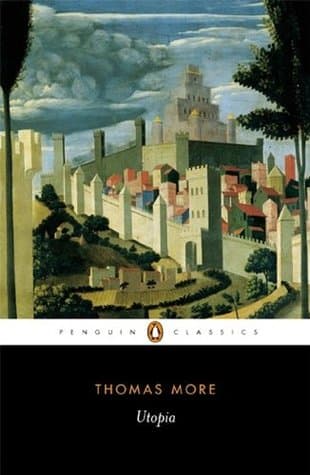
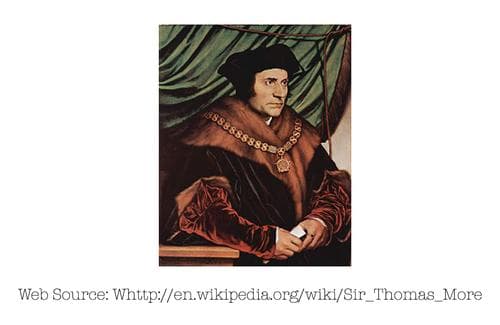
Thomas More's 'Utopia' describes a fictional island society with communal property, mandatory labor, extensive social welfare, religious tolerance (with limits), and a government that puts collective well-being first. By detailing Utopian customs, laws, and philosophies, More critiques the social, political, and economic problems in 16th-century Europe, especially the corrupting effect of private property and the resulting inequality. The work explores alternative societal structures and ethical ideas.
✓ Read this if...
You are interested in early political philosophy, the origins of utopian thought, or a satirical critique of societal norms through the lens of an idealized (and sometimes unsettling) society.
✗ Skip this if...
You prefer modern, fast-paced narratives or are looking for a practical guide to societal reform rather than a philosophical exploration.