BookBrief
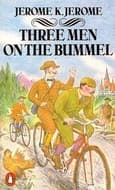
Three Men on the Bummel cover
Archivist's Choice

Three Men on the Bummel

Jerome K. Jerome

Genre

Lifestyle

Reading Time

208 min

Key Themes

See below

Track Your Reading

Sign in to track this book

Three bumbling Victorian gentlemen and their dog trade the Thames for a bicycle tour through Germany, turning a quest for leisure into a series of misadventures involving imagined ailments, culinary disasters, and the sheer unpredictability of travel.

Synopsis

George, Harris, and J., the narrator, go on a cycling tour through Germany, hoping for a change of scenery and a break from their everyday lives. Their journey, meant to be a relaxed look at German culture and countryside, quickly becomes a series of funny problems. They struggle with the German language, local customs, and bureaucracy, meeting both friendly and odd German people. J. shares thoughts on travel and German social life, Harris looks for food, and George tries to keep things organized. Their observations cover everything from the German school system to local entertainment, all with their British humor and occasional frustration. The book ends with their return journey, full of reflections on their experiences and the unique nature of their German trip.
Reading time
208 min
Difficulty
Easy
Pacing
Slow
Mood
Humorous, Observational, Whimsical, Leisurely
✓ Read this if...
You enjoy classic British humor, travelogues, and stories of friends bumbling through foreign lands.
✗ Skip this if...
You prefer fast-paced plots, serious non-fiction, or modern travel writing.

Plot Summary

The Genesis of the German Tour

The narrator, J. (Jerome), and his friends George and Harris are tired of their routine London lives. They remember their previous boating trip on the Thames, which, despite its problems, refreshed them. Inspired by this memory and a shared wish for escape and exercise, they consider another holiday. After ruling out several ideas, including a walking tour that Harris quickly ruins, they decide on a cycling tour through Germany. George, practical as always, points out the efficiency and freedom cycling offers, while Harris, despite his initial concerns about physical effort, is convinced by J.'s excited descriptions of German landscapes and the promise of good food and beer. They decide to go and begin preparing for their 'bummel' or leisurely tour.

Preparations and Initial Hurdles

Preparing for the German cycling tour is as amusing as the journey itself. The trio struggles to choose suitable bicycles, each friend having different and often impractical preferences. Harris, for example, cares too much about how his bike looks, while J. focuses on comfort and George on mechanical reliability. They visit various bike shops, listening to sales pitches and testing models, often with funny results. Packing also becomes an issue, as they try to balance light luggage with what they think they need, leading to a comically large and impractical collection of items. J. thinks about the English habit of over-preparing for any trip, setting a lighthearted mood for the adventures ahead.

Arrival in Hamburg and the Language Barrier

Upon arriving in Hamburg, the friends immediately face the reality of being in a foreign country. The busy port city, with its unfamiliar sounds and sights, is very different from what they expected. Their first major challenge is the language barrier, which J. comically overstates. Harris's attempts at German are particularly bad, leading to many misunderstandings and funny interactions with locals, from ordering food to asking for directions. George, the most sensible, often tries to help, but even he doesn't always succeed. These first encounters show their inexperience and the cultural differences they will continue to meet, setting a pattern of good-natured mistakes that defines their journey through Germany. They find lodging and start to explore the city, though with some confusion.

The German Character and Customs

As the trio begins their cycling journey, J. uses the opportunity to observe and comment on various aspects of German character and customs. He notes the Germans' careful attention to order, their deep respect for authority, and their seemingly natural punctuality, often comparing it to English casualness. He describes the elaborate German meals, the many beer gardens, and the seriousness with which Germans approach their free time. J. also mentions the German military presence and the strict social hierarchy, often with a humorous, yet insightful, tone. These observations, while sometimes stereotypical, are presented lightly, aiming more at cultural understanding than criticism, providing a background against which the friends' English quirks are further highlighted. They navigate these cultural differences with varying success, often causing small disruptions.

Cycling Through the German Countryside

The main part of the trip involves the friends cycling through the German countryside, encountering beautiful scenery and unexpected problems. They pass through charming villages, thick forests, and along calm rivers, often stopping to enjoy the views or rest in a cozy inn. However, their journey has its difficulties. They deal with poor road quality, navigation errors that lead them astray, and occasional bike problems. Harris, especially, struggles with the physical demands of cycling, often falling behind or complaining about hills. J. finds humor in these struggles, often describing Harris's frustration in detail. Despite the small setbacks, the cycling experience allows them to immerse themselves in the German landscape and provides many chances for their usual banter and philosophical discussions.

Encounters with German Hospitality and Bureaucracy

Throughout their journey, the friends encounter a mix of German hospitality and strict rules. They are often welcomed warmly in inns and guesthouses, where they enjoy hearty meals and local beers, sometimes trying to have funny conversations with their hosts. J. appreciates the genuine friendliness they often receive. However, they also often run into German rules and regulations. Whether it's reading train schedules, dealing with official forms, or simply trying to understand local laws, the rigid adherence to procedure often confuses and sometimes frustrates the more spontaneous English trio. J. particularly enjoys telling stories where their casual approach clashes with German formality, such as their attempts to understand complex ticketing systems or the exact opening hours of attractions, showing the cultural differences in how daily life is managed.

The German School System and Education

One notable part of the story involves J.'s detailed and often mocking observations on the German school system and their approach to education. He describes the strict, disciplined, and highly structured nature of German schools, contrasting it sharply with the more relaxed English methods. J. notes the emphasis on memorization, the long hours, and the serious demeanor of both students and teachers. He thinks about the possible good and bad effects of such a system on the German character, suggesting it contributes to their orderliness and hard work but perhaps suppresses individuality and creativity. While the friends don't directly interact with a school, J.'s comments are part of their general observations of German society, showing his wider interest in social commentary beyond just travelogues. He presents his views with a humorous, yet thought-provoking, tone.

The Philosophy of the 'Bummel'

Throughout their travels, J. often includes philosophical thoughts on leisure, travel, and the very idea of a 'bummel.' He supports the idea of a leisurely, unhurried journey, where the focus is on experience and observation rather than strict plans or reaching a specific place. He compares this to the rushed, goal-oriented travel often done by modern tourists. J. argues that true relaxation and refreshment come from allowing oneself to wander, to take in the surroundings, and to simply be present. These thoughts often come from their own experiences, such as stopping for an unplanned picnic or getting lost and finding unexpected beauty. His reflections highlight the book's message about finding joy in simple things and escaping the pressures of everyday life, making the 'bummel' a metaphor for a certain way of living.

Harris's Misadventures and Culinary Quests

Harris remains a source of humor throughout the trip. His attempts at cycling are often clumsy, leading to minor falls and frequent complaints about hills and tiredness. J. enjoys describing Harris's physical struggles, often with affectionate teasing. Furthermore, Harris's sole focus on food and drink provides another running joke. He is always looking for a good meal and the perfect German beer, sometimes at the expense of their schedule or other planned activities. His attempts to order food in German often result in funny misunderstandings, and his reactions to unfamiliar dishes are always exaggerated. These food quests and physical problems cement Harris's role as the resident joker, balancing the philosophical discussions with relatable, everyday humor.

Observations on German Social Life and Amusements

As they travel, the trio observes and sometimes joins in various aspects of German social life and entertainment. They visit beer gardens, where they see the lively yet orderly German celebrations, often comparing it to English pub culture. J. notes the German love for music, especially brass bands, and their enjoyment of simple, communal pleasures. They also encounter the German tradition of Sunday outings and the general seriousness with which Germans approach their free time. J. finds humor in their structured approach to fun, such as organized hikes or precisely timed dances. These observations paint a clear picture of German society at the turn of the century, seen through the eyes of three slightly confused but generally appreciative English tourists, adding to the book's cultural commentary.

The Return Journey and Reflections

As their holiday ends, the friends head back towards Hamburg for their return journey to England. The final part of their cycling tour has a touch of nostalgia and the realization that their adventure is finishing. They think about the many experiences they've had, the sights they've seen, and the various people they've met. J. sums up the trip's success in refreshing them and giving them a break from their routine lives. He restates his belief in the value of such relaxed travel and the importance of escaping daily pressures. Despite the funny problems and cultural misunderstandings, the journey has been positive, leaving them refreshed and with many stories to tell, ending the narrative on an optimistic note.

Principal Figures

J. (Jerome K. Jerome)

The Protagonist/Narrator

J.'s journey reinforces his philosophy on the importance of leisure and observation, solidifying his perspective on life's simple pleasures.

George

The Supporting

George maintains his practical nature, providing a steady counterbalance to his friends' more eccentric tendencies, affirming his role as the group's anchor.

Harris

The Supporting

Harris remains largely unchanged, serving as a consistent source of comedic relief through his physical and linguistic struggles.

The German People (collectively)

The Mentioned

The German people remain a static, observed entity, providing a consistent cultural backdrop for the friends' adventures.

The Landlord of the 'Red Horse'

The Supporting

The landlord serves as a brief, positive encounter, reinforcing the theme of German hospitality.

Themes & Insights

The Joys and Trials of Leisure Travel

The novel is an exploration of the leisurely holiday, or 'bummel.' It shows both the refreshing power of escaping routine and the humor in travel mishaps. The friends want to relax and enjoy themselves, but their journey includes navigation errors, physical effort, and cultural misunderstandings. J. often thinks about the importance of unhurried travel, comparing it to the rushed modern tourist. This theme appears in scenes where they get lost but find unexpected beauty, or Harris's constant struggles with cycling, which provide humor while showing the effort involved in their 'leisure.'

A 'bummel,' be it ever so small, is a delightful thing, and, if you are a true 'bummler,' the bummel is not completed when you reach your destination.

J.

Cultural Differences and National Character

A main theme is the funny comparison between English and German national traits. J. observes German orderliness, punctuality, bureaucracy, and seriousness, often comparing these traits with the more casual, individualistic English temperament. Scenes involving their struggles with the German language, their confusion at strict rules, or their observations of German social customs (like beer gardens or the school system) all contribute to this theme. The humor often comes from the clash of these cultural norms, with the English trio's spontaneous style meeting German precision.

The German loves his rule, and will not be happy till he has made one for everything.

J.

The Nature of Friendship and Camaraderie

At its core, the book celebrates male friendship. The bond between J., George, and Harris is clear in their constant banter, teasing, and shared experiences. Despite their individual quirks and occasional frustrations with each other, their friendship remains strong. They support each other through physical challenges, laugh at each other's problems, and share moments of quiet thought. This theme is seen in their discussions over meals, their collaborative (though often clumsy) problem-solving, and their collective memories of past adventures, showing the comfort and joy found in shared companionship.

It is a most excellent thing for a man to have a friend on whom he can rely.

J.

Critique of Modernity and Industrialization

While subtle, the book includes a critique of the pressures of modern, industrialized life. The friends go on their 'bummel' precisely to escape the 'dreary world of offices and desks.' J. often compares the simple, natural beauty of the countryside with the artificiality of urban life. His philosophical thoughts sometimes touch upon the loss of leisure and the increasing pace of life. The bicycle, though a modern invention, is used here to connect with nature and experience a slower pace, suggesting a desire for a more rural, less demanding way of life.

We were sick of London, and of the work we had to do there.

J.

Plot Devices & Literary Techniques

Digression and Anecdote

The narrator frequently veers off-topic to share personal reflections or humorous stories.

J. employs frequent digressions, often launching into lengthy philosophical musings, social commentary, or unrelated anecdotes. These digressions are a hallmark of Jerome's style, providing a rich tapestry of humor and insight beyond the immediate plot. For example, J.'s extended commentary on the German school system or his reflections on the nature of 'bummeling' itself are prominent digressions. This device allows the author to explore broader themes and observations, giving the narrative a leisurely, conversational feel and enriching the reader's understanding of J.'s perspective and the cultural context.

Situational Irony

Discrepancies between expectation and reality create comedic effect.

Situational irony is a constant source of humor in the novel. The friends often have grand expectations for their journey or for specific outcomes, which are then comically subverted by reality. For instance, their attempts to efficiently navigate Germany often result in getting lost, or their efforts to communicate in German lead to hilarious misunderstandings. Harris's struggles with cycling, despite his initial enthusiasm, are another example. This device highlights the unpredictable nature of travel and human fallibility, creating a lighthearted tone where the characters' best intentions often lead to amusing mishaps.

Character Foils

The contrasting personalities of the three friends highlight each other's quirks.

The personalities of J., George, and Harris are deliberately crafted to act as foils for one another. J. is the thoughtful, philosophical narrator; George is the practical, methodical planner; and Harris is the boisterous, physically challenged, and food-obsessed comic relief. Their contrasting traits create dynamic interactions and opportunities for humor. Harris's struggles with hills highlight J.'s more moderate cycling prowess, while George's attempts at organization are often undermined by the others' more spontaneous natures. This interplay of personalities generates much of the book's comedic energy and allows for a multifaceted exploration of the travel experience.

Verbal Humor and Puns

The use of witty wordplay, exaggeration, and humorous descriptions.

Jerome's writing is replete with verbal humor, including witty observations, clever turns of phrase, and occasional puns. J.'s narrative voice is highly self-aware and often uses exaggeration for comedic effect, particularly when describing Harris's predicaments or the intricacies of German bureaucracy. The humor often comes from the way J. describes events, rather than the events themselves. His satirical commentary on various topics, from German education to English holiday habits, relies heavily on his command of language to create amusing and memorable descriptions, making the prose itself a source of constant entertainment.

Critical analysis

Notable Quotes

It is impossible to enjoy yourself in a country that is always trying to improve you. I knew a man once who went to stay at a boarding-house where the landlady was a very good woman, but she was always trying to improve the poor fellow. She used to put improving books by his bedside; she used to talk to him about his soul, and about the advisability of early rising.

Reflecting on the German character and the desire for self-improvement.

It is very curious, the way that the English mind works. When an Englishman is told that a thing is good for him, he immediately hates it.

Observing national characteristics, particularly the English aversion to things deemed 'good for them'.

The Germans are a nation of thinkers and philosophers, and as such they are naturally a little slow in grasping the obvious.

A humorous generalization about German intellectualism.

It is a most extraordinary thing, but I have always found that the people who know the least about a subject are the most ready to express an opinion upon it.

A general observation on human nature and the readiness to offer uninformed opinions.

The German bicycle is built for eternity. It is not built for speed, nor for comfort, nor for beauty. It is built for eternity.

Describing the robust, if somewhat unrefined, nature of German bicycles.

It is not the work that kills, but the worry.

A philosophical reflection on the true cause of stress and exhaustion.

He said that a man might learn more from a ten-minute talk with a German working man than from a whole library of books.

Highlighting the value of practical experience and direct interaction over theoretical knowledge.

You never know what you can do till you try, and there's no harm in trying.

An encouraging sentiment about attempting new things and overcoming hesitation.

It is a good thing to be humble and of a contrite heart, but it is not a good thing to have a perpetually contrite stomach.

A humorous play on words, contrasting spiritual humility with physical discomfort from bad food.

The only way to get rid of a temptation is to yield to it. Resist it, and your soul grows sick with longing for the things it has forbidden to itself.

A slightly cynical, yet famous, observation on temptation, often misattributed or taken out of context.

The greatest pleasure of a journey is not in arriving, but in the going.

Reflecting on the joy of the journey itself, rather than just the destination.

One of the most remarkable things about German inns is the extraordinary number of rules and regulations that hang upon the walls.

Observing the meticulous and bureaucratic nature of German hospitality.

There are some things in life that are not to be explained, but only to be endured.

A more somber reflection on the inexplicable difficulties and challenges of life.

It is impossible to be angry with a man who is always trying to do you good.

A humorous observation on the frustrating benevolence of well-intentioned but overbearing people.

Quiz

Test Your Knowledge

Ready to see how well you understood this book? Take our interactive quiz with 10 questions.

10
Questions
~5
Minutes
?
Best Score

Key Questions (FAQ)

'Three Men on the Bummel' follows the three friends, J., George, and Harris, along with their dog, as they embark on a cycling tour through Germany. Unlike their previous Thames boating trip, this adventure involves navigating German customs, language barriers, and the challenges of early cycling, leading to a series of humorous misadventures and observations.

About the author