BookBrief
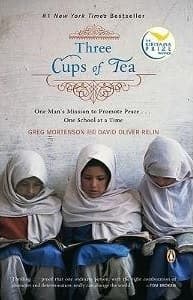
Three Cups of Tea: One Man's Mission to Promote Peace ... One School at a Time cover
Archivist's Choice

Three Cups of Tea: One Man's Mission to Promote Peace ... One School at a Time

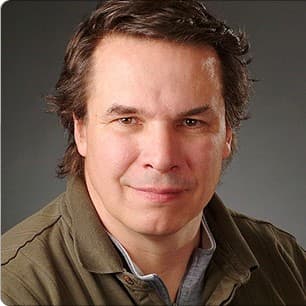
Greg Mortenson (2006)

Genre

Lifestyle / Biography / Memoir / History

Reading Time

12 Minutes

Key Themes

See below

Track Your Reading

Sign in to track this book

A lost mountaineer's promise to build a school for impoverished villagers grows into a decade-long, dangerous effort to educate girls in Taliban territory, showing one person's dedication can build peace.

Core Idea

The core idea of "Three Cups of Tea" is that sustainable peace can be achieved in conflict-ridden regions through education, particularly by building schools and fostering relationships within local communities. Greg Mortenson, a former mountaineer, embarks on a mission to build schools in remote villages in Pakistan and Afghanistan, believing that providing educational opportunities, especially for girls, is a more effective and lasting solution to extremism and poverty than military intervention. The book highlights the importance of cultural sensitivity, patience, and long-term commitment in humanitarian efforts, illustrating how earning trust and understanding local customs are crucial for the success of any development project.
Difficulty
Easy

Core idea

The central argument and framework that powers the entire book.

The core idea of "Three Cups of Tea" is that sustainable peace can be achieved in conflict-ridden regions through education, particularly by building schools and fostering relationships within local communities. Greg Mortenson, a former mountaineer, embarks on a mission to build schools in remote villages in Pakistan and Afghanistan, believing that providing educational opportunities, especially for girls, is a more effective and lasting solution to extremism and poverty than military intervention. The book highlights the importance of cultural sensitivity, patience, and long-term commitment in humanitarian efforts, illustrating how earning trust and understanding local customs are crucial for the success of any development project.

At a glance

Difficulty

Easy

Key Takeaways

1

The Power of a Promise

A spontaneous pledge can ignite a lifelong mission, transforming individual lives and entire communities.

Quote

If I can help build this school, I will.

Mortenson's work began with a promise to the people of Korphe after they saved his life following a failed K2 climb. This commitment, born from gratitude for impoverished villagers, led to building not just one school, but dozens across Pakistan and Afghanistan. This shows how a single, heartfelt promise, even when difficult, can create momentum, demonstrating the impact of one person's will to address educational needs in remote regions. It highlights that change often starts with a personal connection and a commitment to return kind...

Supporting evidence

Mortenson’s initial promise to the Korphe villagers to build them a school after they nursed him back to health following his K2 expedition.

Apply this

Identify a small, tangible way to address a community need you encounter. Even a minor commitment can snowball into significant impact.

2

Cultural Immersion as a Prerequisite for Trust

Deep understanding and respect for local customs are essential for effective cross-cultural humanitarian work.

Quote

The first time you share tea with a Balti, you are a stranger. The second time you share tea, you are an honored guest. The third time you share tea, you become family.

This is the book's strongest idea: successful development work in places like rural Pakistan needs more than just money. It requires long-term effort and respect for local ways. Mortenson spent months living among the Balti people, learning their language, joining their daily lives, and understanding their priorities (like the need for schools, especially for girls). This was key to earning their trust and help. This approach differs from many top-down aid models, showing that lasting change comes from relationships, not just resource...

Supporting evidence

The 'three cups of tea' philosophy shared by Haji Ali, symbolizing the progression from stranger to family through repeated engagement and trust-building.

Apply this

Before initiating any project in a new cultural context, invest significant time in understanding local customs, building relationships, and listening to community needs rather than imposing external solutions.

3

Education as a Counter-Terrorism Strategy

Providing education, particularly for girls, is a powerful tool for fostering peace and stability in volatile regions.

Quote

The pen is mightier than the sword.

Mortenson believed illiteracy and lack of opportunity cause extremism. By building schools, particularly for girls, in areas prone to radicalization, he aimed to give communities knowledge and critical thinking skills, offering an alternative to extremist messages. This strategy suggests that educated people are less likely to join militants and more likely to seek peaceful development. Educating girls is especially important because it improves family health, economic stability, and the well-being of future generations, directly help...

Supporting evidence

Mortenson's deliberate focus on building schools in the Federally Administered Tribal Areas (FATA) and other volatile regions, directly linking education to reducing the appeal of the Taliban and other militant groups.

Apply this

Support initiatives that prioritize education, especially for marginalized groups, in conflict-prone areas, recognizing its role as a fundamental peace-building mechanism.

4

The Bureaucratic Hurdles of Humanitarian Aid

Navigating complex political landscapes and overcoming administrative inertia are constant challenges for grassroots initiatives.

Quote

It was easier to climb K2 than to deal with some of the bureaucrats.

The book shows the immense frustration Mortenson faced with both Pakistani government officials and American aid groups. From getting land deeds and permits to dealing with cultural misunderstandings and corruption, administrative hurdles were often as hard as the physical challenges of the terrain. This highlights a limit of humanitarian work: even with good intentions, projects can be stopped by bureaucracy, lack of openness, and different priorities among local communities, national governments, and international NGOs. It shows the...

Supporting evidence

Mortenson's struggles to obtain the necessary 'No Objection Certificates' (NOCs) from Pakistani authorities for building schools, often requiring multiple visits and persistent lobbying.

Apply this

When planning or supporting humanitarian efforts, anticipate significant bureaucratic challenges and allocate resources for legal counsel, local liaison, and extended timelines for approvals.

5

The Power of Grassroots Fundraising

Small, individual contributions can collectively fund large-scale humanitarian projects.

Quote

Pennies and dimes from American schoolchildren built schools halfway around the world.

Mortenson's fundraising, especially his 'Pennies for Peace' program, shows an effective model for community-based giving. Instead of only relying on big donors, he got thousands of American schoolchildren and ordinary citizens to give small amounts. This created a sense of involvement and connection to the cause. This approach not only provided significant funds but also taught a generation about global citizenship and the effect of their combined efforts. While not every project can scale this way, it powerfully illustrates the poten...

Supporting evidence

The 'Pennies for Peace' program, where American schoolchildren collected pennies, nickels, and dimes, which cumulatively funded numerous schools in Pakistan and Afghanistan.

Apply this

When fundraising, consider engaging a broad base of individual donors through compelling storytelling and tangible impact, allowing many small contributions to build substantial capital.

6

Resilience in the Face of Adversity

Unwavering determination is crucial when confronting threats, kidnappings, and political instability.

Quote

The mountains had taught me patience, and the Balti people had taught me perseverance.

Mortenson's personal journey shows great resilience. He faced many life-threatening situations, including being held by militants, enduring harsh conditions, and dealing with constant threats and political instability. His strong commitment to his mission, despite these risks, is a powerful example of how conviction can sustain a person through extreme hardship. This resilience was not just physical but also mental, requiring him to constantly adapt and find new ways to move forward when faced with seemingly impossible problems.

Supporting evidence

Mortenson's kidnapping by militants in Waziristan and his subsequent release, which only strengthened his resolve to continue building schools.

Apply this

Cultivate mental toughness and adaptability in personal and professional pursuits, recognizing that significant achievements often require enduring and overcoming numerous setbacks.

7

The Unsung Heroes: Local Partnerships

Sustainable development is built on the expertise and dedication of local leaders and community members.

Quote

I was just a catalyst. The real work was done by the people themselves.

While Mortenson is the main person, the book consistently points out the vital role of local partners like Haji Ali and George McCown (who gave the first money), and many villagers. These individuals provided crucial local knowledge, helped communication, organized labor, and made sure projects fit the culture and would last. This shows that outside aid works best when it empowers and collaborates with local communities rather than forcing solutions. The schools succeeded because the people they served took ownership and showed dedica...

Supporting evidence

Haji Ali's role as a local elder and guide, who not only saved Mortenson's life but also became a crucial advocate and facilitator for the first school in Korphe.

Apply this

Prioritize forming strong, equitable partnerships with local leaders and organizations in any development project, ensuring they have ownership and agency in decision-making and implementation.

8

The Cost of Single-Minded Devotion

An intense focus on a mission can strain personal relationships and lead to burnout.

Quote

My family paid a price for my passion.

While Mortenson's dedication is admirable, the book subtly shows the immense personal cost of his mission. His frequent absences, near-death experiences, and focused drive often strained his relationships with his wife, Tara, and their children. This acknowledges that even noble pursuits can require significant personal sacrifices, showing the delicate balance between a professional calling and personal well-being. It is a reminder that even heroes are human and their extraordinary efforts often come with unseen burdens.

Supporting evidence

Mortenson's extended periods away from home, the emotional toll on his family, and the constant stress associated with his dangerous work.

Apply this

When pursuing ambitious goals, consciously build in mechanisms for self-care and actively nurture personal relationships to prevent burnout and mitigate collateral damage.

9

Beyond the Headlines: Nuance of the 'Enemy'

Complex geopolitical conflicts require understanding the diverse motivations of all parties, not just simplistic labels.

Quote

The people I met were not monsters. They were people, with families and dreams, just like us.

Mortenson's experiences gave him a nuanced view of the people in the 'Taliban's backyard.' He met individuals who were fiercely independent, deeply religious, and sometimes hostile, but also those who were welcoming, kind, and eager for education. He learned that 'the enemy' was not a single group but a mix of tribes, loyalties, and motivations, often driven by poverty and lack of opportunity rather than pure malice. This challenges simple ideas, calling for a more empathetic and detailed understanding of conflict zones, which is impo...

Supporting evidence

Mortenson's interactions with various tribal leaders and even former militant sympathizers who, once convinced of the value of education, became allies in building schools.

Apply this

Seek out diverse perspectives and engage directly with people from different backgrounds to move beyond stereotypes and foster a more nuanced understanding of complex global issues.

10

The Ripple Effect of Girls' Education

Educating girls transforms not just individuals but entire communities and future generations.

Quote

When you educate a boy, you educate an individual. When you educate a girl, you educate a community.

This argument strongly supports the book's main goal. Mortenson consistently prioritized schools for girls, understanding that their education brings especially high returns. Educated girls are more likely to marry later, have fewer and healthier children, be more productive economically, and ensure their own children attend school. This creates a positive cycle that lifts up entire families and communities, breaking cycles of poverty and illiteracy. The book effectively shows this power, making a strong case for investing in female l...

Supporting evidence

The numerous stories of girls attending Mortenson's schools who went on to become teachers, nurses, and leaders, directly impacting their villages and challenging traditional gender roles.

Apply this

Advocate for and invest in initiatives that specifically target girls' education in developing regions, recognizing its multiplier effect on societal progress and stability.

Critical analysis

Notable Quotes

Quiz

Test Your Knowledge

Ready to see how well you understood this book? Take our interactive quiz with 10 questions.

10
Questions
~5
Minutes
?
Best Score

Key Questions (FAQ)

'Three Cups of Tea' tells the true story of Greg Mortenson, a mountaineer who, after a difficult climb, promised to build a school for impoverished villagers in Pakistan. The book chronicles his decade-long mission to establish schools, particularly for girls, in remote and dangerous regions.

About the author