BookBrief
Their Eyes Were Watching God cover
Archivist's Choice

Their Eyes Were Watching God

Zora Neale Hurston (2020)

Genre

Reference / Historical Fiction

Reading Time

245 min

Key Themes

See below

Track Your Reading

Sign in to track this book

In early 20th-century Florida, Janie Crawford searches for identity, love, and independence, defying social norms to find her voice.

Synopsis

Janie Crawford, a Black woman, returns to Eatonville, Florida, and tells her life story to her friend Pheoby Watson. Her grandmother Nanny wants Janie to marry for security, leading to an unhappy marriage with Logan Killicks. Janie then meets Jody Starks, who takes her to Eatonville, where he becomes mayor. Jody's ambition and control silence Janie, turning her into a trophy wife. After years of emotional abuse, Janie confronts Jody, who later dies, giving her independence. Free from Jody, Janie finds love with Tea Cake Woods, a younger man who treats her as an equal. They move to the Everglades, living a joyful life until a hurricane hits. Tea Cake saves Janie but is bitten by a rabid dog. As he gets sicker, Tea Cake becomes violent, and Janie shoots him in self-defense. She is tried for murder but acquitted. Janie returns to Eatonville, having found her voice and understanding true love and self-fulfillment.
Reading time
245 min
Difficulty
Medium
Pacing
Moderate
Mood
Reflective, Poignant, Empowering, Lyrical
✓ Read this if...
You want a powerful story about a woman's journey of self-discovery and finding her voice, set against the backdrop of early 20th-century Black Southern life.
✗ Skip this if...
You prefer fast-paced plots with constant action over character-driven narratives and lyrical prose.

Plot Summary

The Return to Eatonville

Janie Crawford, a middle-aged Black woman, returns to Eatonville, Florida, after being away. The townspeople, especially the women on their porches, gossip and judge her for her worn overalls and coming back alone. Her best friend, Pheoby Watson, is the only one who greets her with real concern and offers food. Janie, not bothered by the stares, sits on her porch swing, thinking about her past. She begins telling Pheoby her life story, starting from her childhood and leading to why she came back to Eatonville. This scene shows Janie's strength and sets up the long flashback that makes up most of the story.

Childhood and Nanny's Dreams

Janie grows up in rural Florida, raised by her grandmother, Nanny. Nanny, a former slave who suffered greatly, wants security and respect for Janie, believing marriage to a stable, wealthy man is the only way. Janie's awareness of her own sexuality and the world happens under a pear tree, where she sees a bee pollinating a blossom. This symbolizes a desire for harmonious, mutual love. However, Nanny, seeing Janie kiss Johnny Taylor, a neighborhood boy, fears for Janie's future and quickly arranges her marriage to Logan Killicks, an older farmer. Nanny's well-meaning but mistaken actions put Janie on a path set by others, not by her own wishes.

Marriage to Logan Killicks

Janie marries Logan Killicks, a much older man who owns a house and land. At first, Janie hopes for the love and connection she wants, but the marriage quickly lacks passion and emotional closeness. Logan expects Janie to do traditional wife duties and work on the farm; he becomes more demanding and critical. Janie feels trapped and unhappy, realizing the 'pear tree' vision of love is missing from her life with Logan. The marriage gets worse, with Logan threatening her, and their relationship becomes only about transactions. Janie feels isolated and longs for real companionship and understanding, a strong contrast to Nanny's idea of marital security.

Meeting Jody Starks and Moving to Eatonville

While still married to Logan, Janie meets Jody Starks, a charming and ambitious man who talks of big plans and promises her an exciting, respected life. Attracted to his charm and the chance to escape her suffocating marriage, Janie impulsively leaves Logan and elopes with Jody. They move to Eatonville, a new all-Black town, where Jody quickly becomes important. He becomes mayor, builds a store, and gains much influence. Janie is initially excited by the adventure and Jody's attention, believing she has finally found the love and partnership she wants, ignoring signs of Jody's controlling nature.

Jody's Domination in Eatonville

As Jody gains power in Eatonville, Janie's life becomes more controlled by him. Jody expects Janie to maintain a certain image as the mayor's wife, dressing her in fine clothes and keeping her working in the store. But he forbids her from talking freely with the townspeople, believing they are beneath her. He constantly criticizes her looks, speech, and opinions, slowly wearing down her self-esteem. Janie has to hide her true self, her voice, and her desires, living under a public image of respectability that hides her private unhappiness. Jody's oppressive control slowly stifles her once lively, independent spirit, making her feel like an object instead of a partner.

The Breaking Point with Jody

Years pass, and Janie's anger towards Jody grows. She endures his verbal abuse and public shame, but a turning point happens when Jody, now older and sick, insults Janie's appearance in front of customers at the store. Janie, at her limit, publicly shames him back, exposing his insecurities about his age and masculinity. This public outburst shatters Jody's pride and makes his health worse. He withdraws, refuses to eat, and eventually dies. Before his death, Janie confronts him, expressing years of hidden anger and frustration, finally reclaiming her voice and individuality, even in his last moments. His death, though painful, frees Janie.

Freedom and the Porch

After Jody's death, Janie feels a deep sense of freedom. She burns her head rags, a symbol of Jody's control over her appearance, and lets her hair down, reclaiming her natural beauty and individuality. She inherits Jody's store and wealth, making her an independent woman for the first time. She spends her days on the porch, talking with townspeople, something Jody had forbidden. This time allows Janie to think about her past marriages and to start understanding herself outside of men's expectations. She enjoys her new freedom, the simple pleasures of life, and community friendship, preparing her for a different kind of love.

Meeting Tea Cake

While working in the store, Janie meets Vergible 'Tea Cake' Woods, a charming, younger man who treats her with respect, humor, and real affection. Unlike Logan and Jody, Tea Cake sees Janie for who she is and encourages her to be herself. He teaches her to play checkers and fish, activities she had never been allowed to enjoy. Their relationship quickly grows, filled with laughter, shared experiences, and a deep emotional bond. The townspeople, especially the women on the porch, disapprove of Janie's relationship with a younger, poorer man. But Janie, for the first time, puts her own happiness and desires before social expectations. Tea Cake represents the 'pear tree' vision of love she had always wanted.

Life in the Everglades

Janie sells Jody's store and, against her friends' advice, moves to the Everglades ('the muck') with Tea Cake. Here, they live among migrant farm workers, picking beans and enjoying a lively, shared life. Janie works with Tea Cake, learning to fish, hunt, and play guitar. She feels a sense of belonging and equality she has never known. Their love deepens, marked by mutual respect, shared experiences, and playful affection. Despite a brief incident where Tea Cake steals some of Janie's money, their bond stays strong, and Janie finds true happiness and fulfillment in this unconventional life, embracing an authentic existence with the man she loves.

The Hurricane

A powerful hurricane approaches the Everglades, bringing great danger. Despite warnings to leave, Tea Cake and many friends initially ignore the threat, believing they can survive the storm. As the hurricane gets stronger, its true power becomes clear. The storm unleashes its fury, destroying homes, causing widespread flooding, and killing many. Janie and Tea Cake struggle to survive, fighting against the strong winds and rising water. This disaster tests their strength and their love, forcing them to face the overwhelming power of nature and the fragility of human life, showing their vulnerability to such a powerful, indifferent world.

Tea Cake's Rabies and Janie's Trial

During the hurricane, Tea Cake is bitten by a rabid dog while saving Janie from drowning. At first, they do not know how serious the bite is. Weeks later, Tea Cake starts showing rabies symptoms, becoming more paranoid, delusional, and violent. His illness quickly worsens, leading to a terrifying confrontation where he attacks Janie. In self-defense, Janie has to shoot Tea Cake, killing him. She is arrested and put on trial for his murder. Despite her grief and trauma, Janie bravely testifies, explaining Tea Cake's illness and her actions. An all-white jury acquits her, understanding her desperate situation.

The Return to Eatonville and Reflection

After Tea Cake's death and her acquittal, Janie arranges his burial and returns to Eatonville. She comes back in her overalls, carrying only a packet of seeds, symbolizing her lasting hope and connection to Tea Cake. She finds Pheoby waiting, eager to hear her story. Janie tells her entire journey, from her childhood under the pear tree to her life with Tea Cake in the muck. By sharing her experiences, Janie processes her grief and shares the wisdom she gained about love, self-discovery, and living authentically. She has found peace and a deep understanding of herself, no longer seeking outside approval but having an inner calm.

Principal Figures

Janie Crawford

The Protagonist

Janie evolves from a submissive, silenced individual into a strong, independent woman who finds her voice and defines her own happiness.

Tea Cake Woods

The Supporting/Love Interest

Tea Cake remains largely consistent in his loving nature, but his tragic death forces Janie to confront loss and stand on her own.

Jody Starks

The Antagonist

Jody rises to power through charisma but declines into a bitter, insecure man who loses his grip on his wife and his life.

Nanny

The Supporting

Nanny's influence is foundational to Janie's early life, but her death marks Janie's first step toward defining her own path.

Logan Killicks

The Supporting

Logan remains largely static, representing the unfulfilling security Janie initially seeks, but ultimately rejects.

Pheoby Watson

The Supporting

Pheoby's understanding of Janie and life deepens as she listens to Janie's story, inspiring her own personal growth.

Mrs. Turner

The Supporting

Mrs. Turner's rigid views remain unchanged, but her disruptive influence ultimately serves to solidify Janie's commitment to Tea Cake.

Motorboat

The Mentioned

Motorboat's arc is brief but serves as a symbol of faith and quiet defiance during the hurricane.

Themes & Insights

The Quest for Self-Discovery and Voice

Janie's journey is a search for her true self, separate from social expectations and male control. From Nanny's desire for security, through Logan's indifference, and Jody's oppressive control, Janie is consistently silenced. Her literal and metaphorical head rags under Jody symbolize her suppressed identity. She only begins to speak freely, learn new skills, and engage with the world on her own terms with Tea Cake. Her final act of telling her story to Pheoby shows her full reclaiming of her voice and identity, as she has finally 'been tuh de horizon and back and now Ah kin set heah in mah house and live by comparisons.'

She pulled in her horizon like a great fish-net. Pulled it from around the waist of the world and draped it over her shoulder. So much of life in its meshes! She called in her soul to come and see.

Narrator, about Janie's return

The Nature of Love and Relationships

The novel explores different kinds of love and relationships, comparing them to Janie's ideal of mutual, passionate love, symbolized by the pear tree. Nanny's love protects but stifles, rooted in fear. Logan's 'love' is transactional and demanding, based on ownership. Jody's 'love' is self-serving and controlling, making Janie an object of his ambition. Janie only experiences true, equal love with Tea Cake, marked by mutual respect, shared experiences, and real affection. Their relationship, despite its difficulties and tragic end, fulfills Janie's deepest desires, showing that true love allows for individual growth and partnership.

Tea Cake and Janie had a way of cleaning up things they were through with. He'd kiss her and she'd feel herself in the center of the world.

Narrator

Independence vs. Security

A main tension in the novel is the conflict between wanting personal freedom and needing security. Nanny, scarred by slavery, pushes Janie towards the security of marriage to Logan, sacrificing Janie's emotional well-being for financial stability. Jody offers a different kind of 'security' through his ambition and status, but at the cost of Janie's individuality and voice. Janie ultimately rejects these forms of security for a life with Tea Cake in the Everglades, where she finds personal fulfillment and independence, even amidst poverty and hardship. Her return to Eatonville, financially independent and emotionally whole, shows her ultimate success in balancing both, on her own terms.

Naw, Ah ain't no young gal seekin' love no mo', Tea Cake. Ah done been tuh de horizon and back and now Ah kin set heah in mah house and live by comparisons.

Janie Crawford

Community and Conformity

The novel shows the African American community in Eatonville and the Everglades, highlighting both its supportive and restrictive sides. The 'porch sitters' in Eatonville represent the judgmental and gossiping parts of the community, always watching and evaluating Janie's choices. Their adherence to traditional gender roles and expectations initially pressures Janie. However, the community in the Everglades, especially among migrant workers, offers a sense of camaraderie and acceptance, allowing Janie to thrive. Janie learns to navigate these community pressures, choosing to live authentically rather than conforming to others' expectations, as seen by her return to Eatonville without concern for gossip.

They got up and went to the store. The men stopped talking to listen to the women talk. The women stopped talking to listen to the men talk.

Narrator, describing the Eatonville porch culture

Nature as a Reflection of Life and Emotion

Nature is an important symbol, reflecting Janie's inner life and the larger forces at play. The pear tree blossom symbolizes Janie's ideal vision of harmonious love and sexual awakening. The hurricane in the Everglades is a powerful external force that mirrors the internal turmoil and big changes in Janie's life, testing her strength and showing the fragility of human existence. The muck itself, a place of raw, wild nature, becomes the setting for Janie's most authentic and fulfilling relationship with Tea Cake. Through these natural metaphors, Hurston connects Janie's personal journey to universal experiences of life, love, and loss.

The wind came back with a moan, and it was a roar this time. The 'Glades was a big bowl of water now.

Narrator, describing the hurricane

Plot Devices & Literary Techniques

Frame Narrative

Janie's story is told as a flashback, recounted to her friend Pheoby.

The novel employs a frame narrative, beginning and ending with Janie's return to Eatonville and her conversation with Pheoby Watson. This structure allows Janie to reflect on her past experiences with the wisdom and perspective gained from her entire journey. By telling her story to a trusted friend, Janie actively processes her grief and self-discovery, making the narrative an act of empowerment. The frame also emphasizes the importance of storytelling and oral tradition within the Black community, as Janie's voice, once suppressed, becomes the central means of conveying her truth. It allows the reader to experience Janie's evolution directly through her own recounting.

Symbolism of the Pear Tree

The pear tree represents Janie's ideal of harmonious, reciprocal love and sexual awakening.

The pear tree and its blossoming represent Janie's earliest and most profound vision of perfect harmony, reciprocal love, and sexual awakening. As a young girl, Janie witnesses a bee pollinating a blossom, experiencing a moment of profound connection between nature and her own burgeoning desires. This image becomes a benchmark against which she measures her subsequent relationships. Her first two marriages, with Logan and Jody, fall far short of this ideal, leaving her unfulfilled. It is only with Tea Cake that she feels a connection that truly embodies the 'pear tree' vision, symbolizing a love that allows her to blossom fully and authentically.

Motif of Hair

Janie's hair symbolizes her wild beauty, sexuality, and independence.

Janie's long, beautiful hair is a recurring motif that symbolizes her wild beauty, sexuality, and independence. Nanny initially forces Janie to tie it up, fearing it will attract unwanted attention. Jody, intensely possessive and jealous, also demands that Janie keep her hair tied in a head rag, controlling her public image and suppressing her natural allure. When Jody dies, Janie burns her head rags, a symbolic act of liberation and reclamation of her true self. With Tea Cake, her hair is often unbound, reflecting her newfound freedom and the authentic expression of her identity and sexuality within their loving relationship. The state of her hair directly reflects her personal freedom.

Dialect and Vernacular

The novel uses authentic African American Vernacular English (AAVE) to portray characters and culture.

Zora Neale Hurston extensively uses authentic African American Vernacular English (AAVE) in the dialogue of her characters. This stylistic choice is a powerful plot device that immerses the reader in the cultural richness and oral traditions of the Black communities portrayed in the novel. It gives voice and authenticity to the characters, reflecting their unique identities, social interactions, and worldviews. The use of dialect is not merely decorative; it emphasizes the characters' humanity and intelligence, challenging dominant literary conventions of the time that often caricatured Black speech. It allows Janie's story to be told in a voice that is truly her own, reflecting her roots and experiences.

The Horizon

The horizon represents possibility, aspiration, and the unknown journey of life.

The horizon serves as a powerful symbol throughout the novel, representing the vastness of possibility, the unknown future, and Janie's aspirations for a fulfilling life. Early in the novel, Janie is described as having her 'feet on the ground,' but her 'soul on the horizon,' indicating her yearning for more than her immediate circumstances. Her journey with Tea Cake to the Everglades is a literal and metaphorical journey towards the horizon, embracing the unknown and finding profound experiences there. Her return at the end, having 'been tuh de horizon and back,' signifies that she has fully experienced life, gained wisdom, and now holds the entirety of her experiences within herself, no longer needing to chase external aspirations.

Critical analysis

Notable Quotes

Ships at a distance have every man's wish on board. For some they come in with the tide. For others they sail forever and ever on the horizon, never out of sight, never landing until the Watcher turns his eyes away in resignation, his dreams shattered before him. The thing to do is to grab the broom of introspection and sweep out all the rubbish.

The opening lines of the novel, setting the thematic stage for dreams and their pursuit.

Janie saw her life like a great tree in leaf with things suffered, things enjoyed, things done and undone. Dawn and doom was in the branches.

Janie reflecting on her life and experiences as she tells her story to Pheoby.

Tea Cake don't talk to me about no other women. He don't even look at 'em. He's good to me. My husband ain't never hit me, not once. He's a good man.

Janie initially defending Tea Cake to Pheoby, highlighting her happiness and the perceived difference from her previous relationships.

De nigger woman is de mule uh de world so fur as Ah can see.

Nanny's harsh assessment of the position of Black women in society, explaining her hopes for Janie.

Ah wanted to preach a great sermon about colored women sittin' on high, but they wasn't no pulpit for me.

Nanny expressing her frustrated ambitions and the limitations placed upon her as a Black woman.

She was a rut in the road. Everybody else took a turn for the better, but she just kept on getting worse.

Janie's internal thoughts about her life with Logan Killicks, feeling stagnant and unhappy.

It was like a great tree in leaf with things suffered, things enjoyed, things done and undone. Dawn and doom was in the branches.

Janie reflecting on her life journey, seeing the duality of good and bad experiences.

Love is lak de sea. It's wavin' and wavin' all de time, but you can't see de bottom of it. But you know it's dere, and it's always dere.

Janie's metaphorical understanding of love, shared with Tea Cake.

She found that she had a host of thoughts she had never expressed to him, and she knew, with an understanding that went to her heart, that she never would.

Janie realizing the emotional distance and lack of true communication with Jody Starks.

He could never know how she hated his triumphant laughter, and how she played for time by standing there and pretending to hear and see.

Janie's internal resentment towards Jody's controlling and boastful nature.

Two things everybody's got tuh do fuh theyselves. They got tuh go tuh God, and they got tuh find out about livin' fuh theyselves.

Janie's realization about self-discovery and spiritual independence, a core theme of her journey.

She pulled in her horizon like a great fish-net. Pulled it from around the waist of the world and draped it over her shoulder. So much of life in its meshes! She called in her soul to come and see.

The closing lines of the novel, signifying Janie's peace, wisdom, and integration of her experiences.

There are years that ask questions and years that answer.

Janie reflecting on the different phases of her life and the lessons learned.

Dat's what makes out de world a fack. Everybody got they God. And everybody got they way of showing it.

Janie's understanding of individuality and the diverse ways people experience life and faith.

Quiz

Test Your Knowledge

Ready to see how well you understood this book? Take our interactive quiz with 10 questions.

10
Questions
~5
Minutes
?
Best Score

Key Questions (FAQ)

Janie's central journey is a quest for self-discovery and an understanding of love, particularly through her relationships. She navigates various societal expectations and personal desires, moving from a childlike innocence to a mature woman who defines her own happiness and independence, rather than conforming to others' visions for her life.

About the author

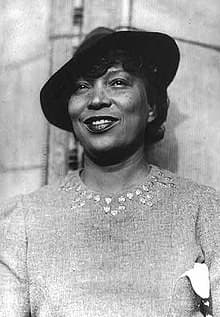
Zora Neale Hurston

Zora Neale Hurston was an American author, anthropologist, and filmmaker. She portrayed racial struggles in the early-1900s American South and published research on hoodoo. The most popular of her four novels is Their Eyes Were Watching God, published in 1937. She also wrote more than 50 short stories, plays, and essays.