The Perils of Absolute Power
Unchecked authority inevitably corrupts, often leading to paranoia, cruelty, and self-destruction.
Quote
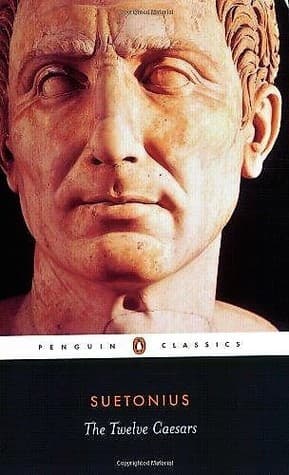
He was addicted to every form of luxury and extravagance, and his private life was scandalous in the extreme. He committed incest with his sister Drusilla, and was even suspected of having relations with all his other sisters.
Suetonius documents how the immense power held by the Caesars, especially those less stable or virtuous, consistently led to moral decay and tyrannical behavior. Figures like Caligula and Nero, perhaps initially showing promise, quickly became depraved, paranoid, and extremely cruel once their authority became absolute. This was not just a personal failing but a systemic result of a political structure that put one individual beyond accountability. The narrative suggests that even well-intentioned leaders could be changed by constant ...
Supporting evidence
Caligula's reign, marked by his declaration of himself as a god, his cruel games, incestuous relationships, and execution of perceived rivals, epitomizes this descent. Nero's matricide, his artistic pretensions overriding state affairs, and the Great Fire of Rome followed by his persecution of Christians, further illustrate the depths of imperial depravity.
Apply this
Modern governance systems must incorporate robust checks and balances, independent oversight, and clear lines of accountability to prevent the concentration of power that historically led to tyranny. Cultivate a culture where dissent is not only tolerated but encouraged, and where leaders are regularly reminded of their fallibility and public service.