BookBrief
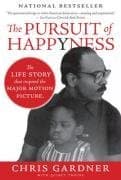
The Pursuit of Happyness cover
Archivist's Choice

The Pursuit of Happyness

Chris Gardner (2006)

Genre

Business / Biography / Memoir

Reading Time

320 min

Key Themes

See below

Track Your Reading

Sign in to track this book

From the hard streets of San Francisco, where he and his toddler son were homeless, Chris Gardner's strong spirit made a way to Wall Street, ending a family pattern of abandonment and showing what the American Dream can be.

Core Idea

Chris Gardner's "The Pursuit of Happyness" shows how strong people can be and how much good comes from sticking to a dream, especially when you are a parent. Gardner's journey from being homeless with a young son to a successful stockbroker shows that the American Dream, though hard, is possible with constant effort, smart choices, and a firm belief in yourself and your plan. The book says that real success is not just about money, but about stopping bad family patterns, keeping your self-respect through tough times, and using every problem to build a well-planned future.
Reading time
320 min
Difficulty
Easy
✓ Read this if...
You need an inspiring story of overcoming extreme adversity through sheer will, resourcefulness, and an unwavering commitment to your children's future. Ideal for entrepreneurs, single parents, or anyone facing significant career or personal hurdles.
✗ Skip this if...
You are looking for a detailed guide on financial markets or a purely business-focused narrative. While it touches on business, its core is a personal memoir of survival and triumph.

Core idea

The central argument and framework that powers the entire book.

Chris Gardner's "The Pursuit of Happyness" shows how strong people can be and how much good comes from sticking to a dream, especially when you are a parent. Gardner's journey from being homeless with a young son to a successful stockbroker shows that the American Dream, though hard, is possible with constant effort, smart choices, and a firm belief in yourself and your plan. The book says that real success is not just about money, but about stopping bad family patterns, keeping your self-respect through tough times, and using every problem to build a well-planned future.

At a glance

Reading time

320 min

Difficulty

Easy

Read this if...

You need an inspiring story of overcoming extreme adversity through sheer will, resourcefulness, and an unwavering commitment to your children's future. Ideal for entrepreneurs, single parents, or anyone facing significant career or personal hurdles.

Skip this if...

You are looking for a detailed guide on financial markets or a purely business-focused narrative. While it touches on business, its core is a personal memoir of survival and triumph.

Key Takeaways

1

Unwavering Parental Commitment

A father's unbreakable promise to his son, even in destitution.

Quote

I made a promise to myself as a fatherless child to never abandon my own children.

Chris Gardner's story is mainly driven by his strong commitment to his son, Christopher Jr. Even with homelessness, extreme poverty, and big personal problems, Gardner always took his father's role seriously. This deep promise, coming from his own painful experience of growing up without a father, became his biggest reason to keep going. It was not just about money, but about being there, caring, and believing in their future together, even when that future looked bad. This commitment went beyond money and was the basis for his consta...

Supporting evidence

Gardner's decision to keep Christopher Jr. with him through homelessness, sleeping in shelters, public restrooms, and his car, rather than giving him up or leaving him with others, despite the immense difficulty this added to his own struggles.

Apply this

Identify your core, non-negotiable values and commitments. When faced with adversity, return to these foundational principles to reignite your motivation and guide your actions, understanding that true success often stems from fulfilling these deeper responsibilities.

parental-responsibilityunconditional-loveresilience
2

The Power of a Dream and a Plan

Vision and strategic action transform impossible circumstances.

Quote

The secret to success is to find something you love to do, then find someone who will pay you to do it.

Gardner's path was not just about staying alive; it was about carefully working toward a specific dream. His first try in medicine, though good, was not what he really wanted. He saw a chance in finance, a world far from his current life, and planned his entry carefully. This meant not just hoping for a better life, but actively looking for information, making connections, and getting ready for an internship, even while homeless. His ability to keep a long-term goal and take daily steps, no matter how small, toward that goal, despite ...

Supporting evidence

His persistent efforts to secure an internship at Dean Witter Reynolds, cold-calling and networking, even approaching a partner directly after seeing his expensive car, despite not having a stable address or income.

Apply this

Define your 'happyness' – not just a vague desire, but a concrete goal. Break down this goal into actionable steps. Research, network, and actively pursue opportunities, even if they seem out of reach. Don't just hope; strategize and execute.

goal-settingstrategic-planningambition
3

Resourcefulness as a Survival Skill

Leveraging every available asset, no matter how small, to overcome adversity.

Quote

I had to be resourceful. I had to improvise. I had to make do with what I had.

Gardner's daily life was a lesson in using what he had. He did not have the usual support, so he had to make his own. This meant finding ways to get childcare while working, using public transport well, finding safe places to sleep, and looking professional even without a home. His cleverness in using every chance, every contact, and every spare minute was key. This is not just about 'getting by'; it is about actively finding new solutions and changing to constantly difficult situations with creative problem-solving.

Supporting evidence

His methods for securing childcare, maintaining a professional appearance with limited resources, and his systematic approach to finding and utilizing various shelters and 'HO-tels' around the city.

Apply this

When faced with a challenge, list all available resources, no matter how insignificant they seem. Think outside the box for solutions, repurpose existing tools, and don't be afraid to improvise. Adversity often breeds the most innovative solutions.

problem-solvinginnovationadaptability
4

Perseverance in the Face of Rejection

Ignoring countless 'no's' to eventually find a 'yes'.

Quote

The world is full of people who will tell you no. It is up to you to decide if you will listen.

Gardner faced a lot of rejection, not just when looking for jobs but in his daily life. From being turned away from shelters to being seen as a bad job candidate, the world seemed to constantly close doors on him. But he learned to take these 'no's' without letting them stop his main goal. His persistence was not just waiting; it was an active, steady effort, learning from each problem and making his approach better until he found the opening he needed. This constant effort shows the big difference between giving up and smartly changi...

Supporting evidence

His numerous attempts to get an interview and secure a position at Dean Witter, facing skepticism and direct rejection due to his lack of experience and unconventional background.

Apply this

Embrace rejection as redirection. For every 'no', analyze what could be improved and adjust your strategy. Develop a thick skin and a resilient mindset, understanding that persistence often outweighs immediate talent or circumstances.

gritdeterminationresilience
5

The Dignity of Work, Regardless of Circumstance

Maintaining integrity and professionalism even when life is chaotic.

Quote

I knew that if I wanted to make it, I had to look the part, even if I was sleeping in a public toilet.

One of the most striking parts of Gardner's story is how he always looked professional, even when his personal life was a mess. He knew that how he looked and his work ethic were important to be taken seriously in the financial world. He never let his homelessness define his effort or his results. This shows the strong self-respect he had and his goals, refusing to let his situation control his self-worth or how he acted at work. This honesty, kept up during extreme stress, certainly helped his eventual success.

Supporting evidence

His meticulous efforts to ensure his clothes were clean and pressed, his hair neat, and his demeanor professional during his internship, despite spending nights in shelters or public restrooms.

Apply this

Regardless of your current situation, commit to maintaining professionalism and integrity in your work. Your attitude and effort are within your control and can significantly impact how you are perceived and the opportunities you attract.

professionalismintegrityself-respect
6

Mentorship and Learning by Observation

Identifying and emulating successful individuals to accelerate growth.

Quote

I watched how they dressed, how they talked, how they carried themselves. I absorbed everything.

Without formal education in finance, Gardner watched and learned on his own. He did not just want a job; he wanted to understand how to succeed in his chosen field. He actively looked for mentors by watching how successful brokers acted, worked, and socialized. This learning by watching, combined with his constant drive to learn, helped him fill big knowledge gaps. He knew that success leaves clues, and he was determined to find and follow them, showing a proactive way to learn that skipped traditional school.

Supporting evidence

His detailed observations of the brokers at Dean Witter, learning their terminology, sales techniques, and professional etiquette simply by watching and listening intently during his internship.

Apply this

Actively seek out individuals who embody the success you aspire to. Observe their habits, communication styles, and decision-making processes. Don't be afraid to ask questions or seek advice, but also learn by quietly absorbing and emulating their best practices.

mentorshipobservational-learningself-education
7

The American Dream is Earned, Not Given

Success is a product of relentless effort and self-reliance, not entitlement.

Quote

The 'pursuit of happyness' is not just a phrase; it's a fundamental right, but it's one you have to fight for.

Gardner's story is a strong, honest example of the American Dream, but it shows that this dream is not a sure thing. It is a possibility that you have to work for constantly, often against huge odds. His journey removes any romantic ideas of quick success, showing the hard work, sacrifice, and pure willpower needed to get out of poverty. His success was not given to him; it was made through an almost unbelievable level of self-reliance and a steady belief in his ability to get past system problems and bad luck.

Supporting evidence

The entire arc of his story, from sleeping in a subway bathroom while interning at a prestigious firm, to eventually owning his own brokerage firm, purely through his own efforts and without significant external aid.

Apply this

Recognize that significant achievements require sustained, dedicated effort. Cultivate a mindset of self-reliance and be prepared to put in the hard work, knowing that true success is often the result of overcoming numerous obstacles through your own initiative.

american-dreamself-reliancemeritocracy
8

Leveraging Urgency and Scarcity

Extreme pressure can be a powerful catalyst for focus and efficiency.

Quote

When you have nothing, you learn to make every second count.

Gardner's homelessness and poverty made him feel a strong sense of urgency. This, strangely, made him more productive. With little time at the office (because of childcare and shelter rules) and no safety net, every phone call, every talk, and every minute had to be as useful as possible. This lack of money and time made him focus sharply and avoid distractions. While not ideal, it shows how extreme pressure, when used well, can create great discipline and a deep understanding of how valuable time is.

Supporting evidence

His need to complete his work and make his required calls within a shorter timeframe than his peers, due to having to pick up his son from daycare and rush to secure a spot in a shelter.

Apply this

Create artificial deadlines and constraints to foster urgency in your own work. Identify and eliminate time-wasting activities. Understand that focused, intense bursts of effort can often yield more significant results than prolonged, unfocused work.

time-managementfocusproductivity
9

Breaking Generational Cycles

Conscious choice and effort can rewrite a family's narrative.

Quote

I vowed that my children would never experience the pain of a father's absence.

Beyond money, Gardner's biggest success was stopping a family pattern of absent fathers. His own childhood had no father, a pain he felt deeply. His steady commitment to Christopher Jr. was a direct fight against this inherited pain. This part of the memoir shows that 'happyness' is not just about money, but about healing personal hurts and choosing to make a healthier, more loving future for the next generations. It is a strong reminder that personal change can have big, good effects beyond just yourself.

Supporting evidence

His explicit internal monologue and actions throughout the book, consistently prioritizing his son's well-being and presence, directly contrasting with his own experience of a fatherless childhood.

Apply this

Reflect on negative patterns or traumas within your family history. Consciously identify how you can choose to break these cycles through your own actions and decisions, creating a new, positive legacy for those who follow you.

generational-traumafamily-legacypersonal-transformation
10

The Role of Optimism and Belief

An inner conviction can sustain hope against all external evidence.

Quote

You got a dream, you gotta protect it. People can't do somethin' themselves, they wanna tell you you can't do it. If you want somethin', go get it. Period.

Despite facing very hard times, Gardner kept an almost unreasonable sense of hope and belief that he would succeed. This was not ignoring reality, but a deep belief that his efforts would eventually pay off. This inner strength, a refusal to give up hope, was key to his ability to keep moving forward. It shows that while outside events are powerful, inner hope, belief, and positive self-talk can be an even stronger force in dealing with and finally overcoming problems.

Supporting evidence

His continued positive affirmations to his son, his refusal to give up on securing an internship despite numerous rejections, and his ability to see opportunities where others saw only dead ends.

Apply this

Cultivate a strong inner belief in your goals and capabilities. Practice positive self-talk and actively challenge negative thoughts. Surround yourself with supportive influences and protect your dream from those who would undermine it.

optimismself-beliefpositive-mindset

Critical analysis

Notable Quotes

The world is your oyster. It's up to you to find the pearls.

Gardner's philosophy on taking control of one's destiny and opportunities.

I'm not saying this to be arrogant, but I'm a firm believer that if you put your mind to something, you can achieve it.

Reflecting on his journey from homelessness to success.

The only thing that I can do is be a father to my son.

During his struggles as a single parent while homeless.

I learned that from my mother, who used to tell me, 'If you want something, go get it. Period.'

Crediting his mother for instilling a strong work ethic.

It was a blessing in disguise. It forced me to learn the business from the ground up.

Discussing how initial failures led to deeper understanding.

You have to dream before your dreams can come true.

Emphasizing the importance of having aspirations.

I didn't have a father to show me how to be a man, so I had to figure it out on my own.

On overcoming the absence of paternal guidance.

Success is not about how much money you make, it's about the difference you make in people's lives.

Defining true success beyond financial gain.

Sometimes you have to go through the worst to get to the best.

Describing the hardships endured before achieving stability.

I made a promise to myself that I would never be homeless again.

A vow made during his lowest point, driving his future efforts.

You can't get down on yourself when things go wrong. You have to keep moving forward.

Advice on maintaining momentum despite setbacks.

It's not about where you start, it's about where you finish.

Highlighting that origins do not dictate outcomes.

I realized that in order to be successful, I had to be willing to do what others weren't.

On the sacrifices required for achievement.

Happiness is not something you postpone for the future; it is something you design for the present.

A reflection on actively creating joy in daily life.

Quiz

Test Your Knowledge

Ready to see how well you understood this book? Take our interactive quiz with 10 questions.

10
Questions
~5
Minutes
?
Best Score

Key Questions (FAQ)

'The Pursuit of Happyness' is Chris Gardner's memoir detailing his journey from homelessness to Wall Street success while raising his young son. It's a true rags-to-riches story that chronicles his struggles with poverty, determination to break his family's cycle of fatherlessness, and eventual triumph in the financial world.

About the author

Chris Gardner

Chris Gardner is an American author, investor, and motivational speaker. His best-selling memoir, "The Pursuit of Happyness," chronicles his struggles with homelessness while raising his young son and pursuing his dream of becoming a stockbroker. The book was adapted into an Academy Award-nominated film starring Will Smith.