BookBrief
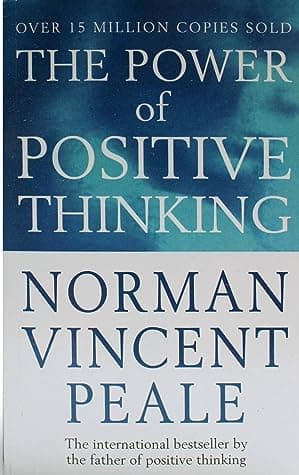
The Power of Positive Thinking cover
Archivist's Choice

The Power of Positive Thinking

Norman Vincent Peale (1952)

Genre

Business / Leadership / Spirituality / Philosophy / Self-Help

Reading Time

120 min

Key Themes

See below

Track Your Reading

Sign in to track this book

Live a fulfilling life by using faith and practical methods to achieve your goals and overcome self-doubt.

Core Idea

The Power of Positive Thinking suggests that people can overcome problems, succeed, and find happiness by having a positive mindset based on faith and self-belief. Peale argues that by controlling thoughts, praying with expectation, and stopping negative habits like worry, one can use spiritual energy to change their life, improve relationships, and get what they want. The book offers practical, faith-based ways to develop inner peace, confidence, and enthusiasm. It states that a positive mindset is not just wishful thinking but a strong, active force for personal and professional improvement.
Reading time
120 min
Difficulty
Easy
✓ Read this if...
You are looking for a foundational self-help book that blends spiritual principles with practical advice for cultivating optimism, overcoming self-doubt, and achieving personal goals.
✗ Skip this if...
You prefer secular approaches to self-improvement, are skeptical of faith-based methodologies, or find prescriptive, highly optimistic frameworks unhelpful.

Core idea

The central argument and framework that powers the entire book.

The Power of Positive Thinking suggests that people can overcome problems, succeed, and find happiness by having a positive mindset based on faith and self-belief. Peale argues that by controlling thoughts, praying with expectation, and stopping negative habits like worry, one can use spiritual energy to change their life, improve relationships, and get what they want. The book offers practical, faith-based ways to develop inner peace, confidence, and enthusiasm. It states that a positive mindset is not just wishful thinking but a strong, active force for personal and professional improvement.

At a glance

Reading time

120 min

Difficulty

Easy

Read this if...

You are looking for a foundational self-help book that blends spiritual principles with practical advice for cultivating optimism, overcoming self-doubt, and achieving personal goals.

Skip this if...

You prefer secular approaches to self-improvement, are skeptical of faith-based methodologies, or find prescriptive, highly optimistic frameworks unhelpful.

Key Takeaways

1

Believe in Yourself (and Your God-Given Potential)

Unlocking inherent capabilities through unwavering self-belief.

Quote

Believe in yourself! Have faith in your abilities! Without a humble but reasonable confidence in your own powers you cannot be successful or happy.

Peale says self-doubt is the biggest obstacle to achievement and happiness. He believes everyone has divine potential, and to deny one's abilities is to deny this spiritual gift. Real self-belief is not arrogance, but a humble recognition of one's strengths and a commitment to using them. This belief creates a self-fulfilling prophecy, helping people overcome challenges and pursue big goals with conviction. It is the basic mindset for all other positive thinking ideas, showing that success comes from an inner conviction, not outside a...

Supporting evidence

Peale frequently cites anecdotes of individuals who transformed their lives by shifting from self-doubt to self-confidence, often through prayer and positive affirmations. He doesn't provide specific studies, but rather a collection of personal testimonies and pastoral counseling experiences.

Apply this

Start each day with an affirmation of your abilities and worth. Before undertaking a challenging task, visualize yourself succeeding and remind yourself of past accomplishments. Actively challenge negative self-talk by replacing 'I can't' with 'I can learn how' or 'I will try my best.'
self-efficacypositive-affirmationsmindset-shift
2

The Power of Thought-Control

Mastering your mind to shape your reality.

Quote

Change your thoughts and you change your world.

Peale states that our thoughts are very powerful. They can create either success or failure in our lives. He encourages readers to guard their minds carefully, actively removing negative thoughts and purposely growing positive, optimistic ones. This is not just wishful thinking, but a disciplined habit of mental health. By consistently directing thoughts toward desired results and solutions, people can retrain their subconscious mind, which then affects their actions and attracts related experiences. It is an active approach to mental...

Supporting evidence

Peale shares the story of a businessman who overcame chronic anxiety and business failures by systematically replacing his worries with positive affirmations and visualizations of success, eventually turning his company around.

Apply this

Dedicate 10-15 minutes daily to 'thought-control' exercises. Sit in silence and consciously identify any negative thoughts, then actively replace them with positive, constructive alternatives. Practice visualization, seeing your goals already achieved with vivid detail.

cognitive-restructuringmental-hygienevisualization
3

Prayerful Expectation

Combining faith with specific goals for tangible results.

Quote

Believe that God will give you what you ask, and you will receive it.

For Peale, prayer is not passive asking but an active process of matching one's desires with divine will and expecting a good outcome. He suggests a specific, detailed way to pray, where people clearly state their goals and then strongly believe they will happen. This 'prayerful expectation' is a type of spiritual visualization, where faith helps make things happen. It is about connecting with a higher power, not to avoid responsibility, but to boost one's efforts and overcome limits, creating a strong connection between human intenti...

Supporting evidence

Peale recounts the story of a woman who was able to overcome a seemingly insurmountable financial crisis by praying specifically and consistently for her needs, visualizing the solutions, and maintaining unwavering faith.

Apply this

Define your goals with extreme clarity. Before praying, visualize your goal as already achieved. During prayer, speak your desires with certainty and gratitude, as if they are already fulfilled. Maintain a mental attitude of expectation throughout your day.

faith-in-actionspiritual-manifestationgoal-setting
4

Break the Worry Habit

Replacing anxiety with constructive action and faith.

Quote

Worry is a vicious cycle that drains energy and accomplishes nothing. Break it by replacing worry with faith and action.

Peale identifies worry as one of the most harmful mental habits. It paralyzes people and stops them from acting. He suggests several ways to break this habit: first, by seeing worry as a choice rather than something unavoidable; second, by consciously replacing anxious thoughts with positive statements and faith; and third, by using the energy spent on worrying for constructive problem-solving and action. The main idea is that ongoing worry is unproductive, and true peace comes from giving up control of what cannot be changed to a hig...

Supporting evidence

Peale details the case of a man whose business was failing due to his constant worry and indecision. By following Peale's advice to replace worry with prayer and decisive action, the man not only saved his business but also found personal peace.

Apply this

When you catch yourself worrying, immediately ask: 'Is there anything I can do about this right now?' If yes, take action. If no, consciously release the thought and replace it with a positive affirmation or a prayer of surrender. Practice 'mental housecleaning' daily to clear out worries.

anxiety-managementstress-reductionmindfulness
5

Energize Your Life with Enthusiasm

Cultivating passionate engagement for greater vitality and success.

Quote

Enthusiasm is faith in action. Give your best, and the best will come back to you.

Enthusiasm, according to Peale, is more than just a passing feeling. It is a powerful force that drives productivity, creativity, and resilience. He advises actively developing enthusiasm, even when you do not feel it at first, by focusing on the good parts of tasks and chances. This positive energy spreads, improving one's own performance and inspiring others and attracting good situations. It means approaching life with an engaged spirit, understanding that a passionate commitment to one's work and goals unlocks greater potential an...

Supporting evidence

Peale describes how an uninspired salesperson transformed their career by consciously deciding to approach every client with genuine enthusiasm, leading to increased sales and personal fulfillment.

Apply this

Before starting a task, identify at least three positive aspects of it. Speak and act with more energy and animation. Seek out activities that genuinely excite you and dedicate time to them. Practice 'acting as if' you are enthusiastic, and the feeling will follow.

motivationpassionpositive-energy
6

The Power of a Relaxed Mind

Achieving inner peace to enhance decision-making and well-being.

Quote

Tension is an enemy of efficiency. A relaxed mind is a creative mind.

Peale stresses that a mind always under stress cannot work at its best. He suggests purposely practicing relaxation, not as a luxury, but as an important part of mental and physical health, and ultimately, success. A relaxed mind can think more clearly, solve problems, and have creative insights. This inner calm, often found through faith and mindful practices, helps people handle challenges without being overwhelmed, make better decisions, and keep a healthy perspective. It is about finding peace amidst life's demands.

Supporting evidence

Peale highlights the common modern ailment of stress-related illnesses and how many individuals found relief and improved their health by incorporating daily relaxation techniques and faith practices into their routines.

Apply this

Practice daily relaxation techniques such as deep breathing, meditation, or quiet reflection for 10-15 minutes. Learn to consciously release physical tension in your body throughout the day. Schedule regular 'unwind' time where you disengage from work and distractions.

stress-managementmindfulnessinner-peace
7

Improve Your Personal Relationships

Applying positive principles to foster healthier connections.

Quote

To get along with other people, you must first get along with yourself.

Peale applies positive thinking to relationships, arguing that real self-esteem and a positive outlook are needed for healthy interactions. He emphasizes the importance of empathy, understanding, and forgiveness. By having a positive attitude toward others and assuming the best in them, people can overcome friction and build stronger connections. The book suggests that showing positive energy and truly caring for others not only improves relationships but also adds to one's own happiness and well-being, creating a positive effect in o...

Supporting evidence

Peale shares stories of individuals who transformed strained family or professional relationships by changing their own attitudes, practicing forgiveness, and actively seeking to understand the other person's perspective.

Apply this

Practice active listening, genuinely trying to understand others' viewpoints. Offer sincere compliments and appreciation. When conflict arises, approach it with a desire for understanding and resolution, rather than blame. Forgive others and yourself.

interpersonal-skillsempathyforgiveness
8

Expect the Best and Get It

Setting high expectations as a catalyst for achievement.

Quote

Our happiness or misery depends upon our expectations.

This takeaway summarizes Peale's main idea: by consistently expecting positive outcomes, people mentally prepare themselves for success and are more likely to achieve it. This is not passive hope, but an active, faith-based expectation that affects behavior, resilience, and perception. When you expect the best, you are more likely to notice opportunities, keep going through challenges, and show confidence that attracts good situations. It is a powerful principle of self-fulfilling prophecy, where a positive mindset becomes the main dr...

Supporting evidence

Peale uses examples of individuals who, despite initial setbacks, maintained an unwavering expectation of success, ultimately achieving their goals through sheer persistence and positive mental framing.

Apply this

Before any significant event or task, consciously set an expectation for a positive outcome. Visualize the best-case scenario clearly and feel the emotions associated with it. Challenge any negative 'what if' scenarios by replacing them with positive 'what if' alternatives.

optimismself-fulfilling-prophecypositive-outlook

Critical analysis

Notable Quotes

Quiz

Test Your Knowledge

Ready to see how well you understood this book? Take our interactive quiz with 10 questions.

10
Questions
~5
Minutes
?
Best Score

Key Questions (FAQ)

The core message is that by cultivating a positive mindset, faith, and practical techniques, individuals can overcome challenges, achieve their goals, and lead a happier, more fulfilling life. It emphasizes the transformative power of one's thoughts and beliefs.

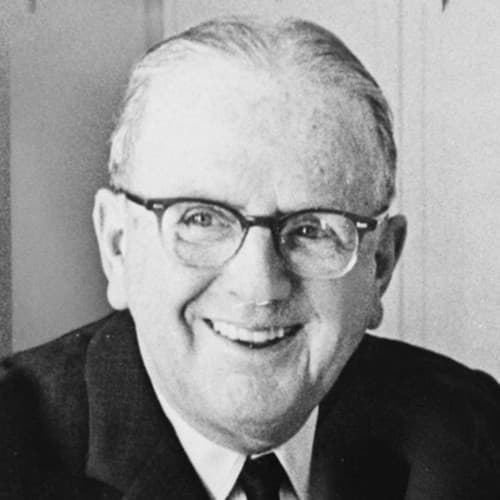
About the author