BookBrief
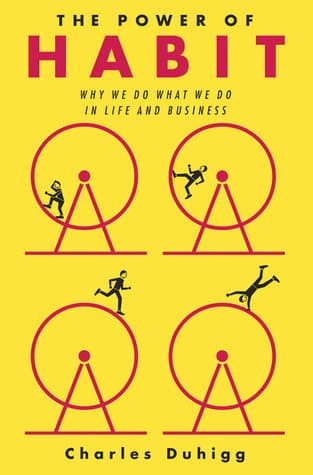
The Power of Habit: Why We Do What We Do in Life and Business cover
Archivist's Choice

The Power of Habit: Why We Do What We Do in Life and Business

Charles Duhigg (2012)

Genre

Business / Productivity / Leadership / Science / Self-Help

Reading Time

12 Minutes

Key Themes

See below

Track Your Reading

Sign in to track this book

Core Idea

Charles Duhigg's "The Power of Habit" explores the science behind habit formation and its profound impact on individuals, organizations, and societies. The book argues that habits are not destiny but rather a three-step neurological loop—cue, routine, reward—that can be understood and deliberately reprogrammed. By dissecting this loop, Duhigg illustrates how making small, conscious changes to our daily routines can lead to significant transformations in productivity, health, and success. He emphasizes that true change comes from identifying the cues and rewards driving our undesirable habits and then strategically inserting new routines. The central thesis is that understanding and mastering the habit loop is a critical skill for personal and organizational improvement. Duhigg provides compelling evidence through a series of captivating narratives, from the transformation of an NFL team and the rise of Starbucks to the personal struggles of individuals, demonstrating how keystone habits—small changes or habits that have the power to start a chain reaction, changing other habits as they move through an organization or individual's life—can ripple through various aspects of life, leading to widespread positive change. Ultimately, the book empowers readers with the knowledge and tools to intentionally design better habits and break free from detrimental ones, thereby taking control of their lives and businesses.
Difficulty
Medium

Core idea

The central argument and framework that powers the entire book.

Charles Duhigg's "The Power of Habit" explores the science behind habit formation and its profound impact on individuals, organizations, and societies. The book argues that habits are not destiny but rather a three-step neurological loop—cue, routine, reward—that can be understood and deliberately reprogrammed. By dissecting this loop, Duhigg illustrates how making small, conscious changes to our daily routines can lead to significant transformations in productivity, health, and success. He emphasizes that true change comes from identifying the cues and rewards driving our undesirable habits and then strategically inserting new routines.

The central thesis is that understanding and mastering the habit loop is a critical skill for personal and organizational improvement. Duhigg provides compelling evidence through a series of captivating narratives, from the transformation of an NFL team and the rise of Starbucks to the personal struggles of individuals, demonstrating how keystone habits—small changes or habits that have the power to start a chain reaction, changing other habits as they move through an organization or individual's life—can ripple through various aspects of life, leading to widespread positive change. Ultimately, the book empowers readers with the knowledge and tools to intentionally design better habits and break free from detrimental ones, thereby taking control of their lives and businesses.

At a glance

Difficulty

Medium

Key Takeaways

1

The Habit Loop: Cue, Routine, Reward

Understanding this neurological feedback loop is the first step to changing any habit.

Quote

This process within our brains is a three-step loop: First, there is a cue, a trigger that tells your brain to go into automatic mode and which habit to use. Then there is the routine, which can be physical or mental or emotional. Finally, there is a reward, which helps your brain figure out if this particular loop is worth remembering for the future.

Duhigg introduces the basic idea of the habit loop: a cue, a routine, and a reward. This loop explains how habits form and last, from simple daily tasks to complex behaviors. The cue triggers the brain to start a routine. The routine is the behavior itself, which can be physical (like brushing teeth), mental (like worrying), or emotional. The reward, often a feeling of satisfaction or relief, strengthens the loop, making the brain more likely to repeat the routine with the same cue. Knowing these three parts helps break down and rebui...

Supporting evidence

The study of 'Eugene Pauly,' a man with severe amnesia who could still form new habits despite lacking conscious memory, provided critical insights into the brain structures (basal ganglia) responsible for habit formation, distinct from those for memory.

Apply this

To change a habit, identify its cue and reward, then consciously substitute the routine. For instance, if stress (cue) leads to snacking (routine) for comfort (reward), try a different routine like a short walk or meditation to achieve the same comfort.

2

The Craving: The Engine of Habit Formation

Habits aren't just loops; they are driven by powerful, often subconscious, cravings.

Quote

Cravings are what power habits. And figuring out how to spark a craving makes creating a new habit, or changing an old one, a lot easier.

Duhigg argues that the habit loop needs a 'craving' to truly work. This craving is an anticipation of the reward, a strong desire that drives the routine. For example, the craving for a minty fresh feeling (reward) after brushing teeth (routine) makes us reach for the toothbrush (cue). Without this craving, the habit loop would not become solid. This idea is powerful because it moves the focus from just doing a routine to understanding and managing the underlying desire. Recognizing and even developing specific cravings can help chang...

Supporting evidence

The development of Febreze by Procter & Gamble illustrates this. Initial marketing focused on odor elimination, but the product failed. Success came when marketers identified the 'craving' for a pleasant finishing scent and the feeling of accomplishment after cleaning, associating Febreze with the reward of a fresh-smelling home.

Apply this

When trying to build a new habit, identify the craving it satisfies. If you want to exercise, don't just focus on the workout; focus on the endorphin rush or the feeling of accomplishment afterward. To break a bad habit, understand what craving it fulfills and find a healthier way to satisfy that same craving.

3

The Golden Rule of Habit Change: Keep the Cue, Deliver the Reward, Change the Routine

True habit transformation involves substituting routines, not eradicating cues or rewards.

Quote

The Golden Rule of Habit Change: If you use the same cue and provide the same reward, you can shift the routine and change the habit. Almost any behavior can be transformed if the cue and reward stay the same.

This is a strong practical insight from the book. Duhigg suggests that trying to remove a cue or completely give up a reward often fails because cravings are so deep-seated. Instead, the best way is to identify the existing cue and the desired reward, then consciously add a new, better routine between them. This approach recognizes how the brain is wired for habits while offering a way for conscious action. It is not about willpower to suppress a craving, but about smart design to redirect it. This 'golden rule' supports successful ha...

Supporting evidence

Alcoholics Anonymous (AA) exemplifies this. The 'cue' (stress, anxiety) and 'reward' (escape, camaraderie) remain, but the 'routine' shifts from drinking to attending meetings, sharing stories, and finding support. The belief in a higher power also plays a crucial role in managing the craving.

Apply this

If you have a habit of checking social media whenever you feel bored (cue) for a sense of connection/distraction (reward), try substituting the social media routine with reading a book, calling a friend, or engaging in a quick creative task to achieve a similar sense of engagement.

4

Keystone Habits: Small Changes with Widespread Impact

Some habits, when changed, initiate a cascade of positive transformations throughout one's life or organization.

Quote

Keystone habits are the habits that matter most. These are the habits that, when they change, begin to dislodge and remake other patterns.

Duhigg introduces 'keystone habits,' which are small, seemingly unimportant habits that, when adopted, have a very large impact on other parts of life. These habits create 'small wins' that drive broader change by altering self-perception, creating new structures, and building a culture of success. For example, making your bed daily might seem minor, but it can start a series of other productive behaviors. Finding and focusing on these keystone habits is a very effective way for personal and organizational change, as it uses connectio...

Supporting evidence

Paul O'Neill's transformation of Alcoa, a struggling aluminum company, serves as a prime example. His singular focus on worker safety (a keystone habit) led to improved communication, efficiency, and quality, ultimately making Alcoa one of the safest and most profitable companies in the Dow Jones.

Apply this

Identify one small habit that, if consistently practiced, could create a ripple effect. This could be daily exercise, meal prepping, or simply planning your next day's tasks. Commit to mastering this one habit and observe how it positively influences other aspects of your life.

5

Willpower: A Muscle That Can Be Strengthened

Self-discipline is not an innate trait but a finite resource that can be trained and depleted.

Quote

Willpower isn't just a skill. It's a muscle, like the muscles in your arms or legs, and it gets tired as it works harder, so it has less strength for other things.

Duhigg looks at willpower, describing it not as endless self-control but as a limited resource that can be strengthened with practice and used up. This view is important because it explains why people might resist temptation in one area but fail in another later in the day. The book highlights that practicing willpower in one area can strengthen it in others. This understanding suggests that smart use and saving of willpower, rather than brute force, are key to reaching long-term goals. While compelling, this 'muscle' idea has limits,...

Supporting evidence

Studies on children who were taught self-discipline (e.g., delaying gratification for marshmallows) showed improved academic performance and life outcomes years later. Starbucks' employee training program, which taught baristas to respond to difficult customers using pre-planned routines, effectively strengthened their willpower by making these responses automatic.

Apply this

To increase willpower, start with small, manageable acts of self-control, like making your bed or resisting a minor craving. Prioritize tasks that require willpower early in the day when your 'muscle' is freshest. Create routines for challenging situations to reduce the need for constant willpower exertion.

6

The Role of Belief in Habit Change

Sustained habit change, especially during stress, often requires a belief in one's ability to change.

Quote

For a habit to stay changed, people must believe that change is possible. And most often, that belief emerges when a group of people are brought together and help each other to believe.

Duhigg argues that belief is a critical, often overlooked, part of lasting habit change, especially when people face major stress or setbacks. Knowing the habit loop or even having strong willpower is not enough; one must truly believe change is possible. This belief often grows within social groups, where shared experiences and mutual support reinforce the idea that change can happen. This insight adds a social and psychological dimension to habit formation, suggesting that isolation can be a major barrier to overcoming ingrained beh...

Supporting evidence

The success of Alcoholics Anonymous (AA) is heavily attributed to its ability to instill belief in its members. When facing extreme stress or temptation, individuals who had a strong belief in AA's program and their ability to change, often bolstered by the group's support, were far more likely to maintain sobriety.

Apply this

When attempting a significant habit change, seek out a supportive community or accountability partner. Share your goals and challenges. Their belief in you, and your shared commitment, can strengthen your own conviction during difficult moments. Cultivate a 'growth mindset' about your own capabilities.

7

Organizations Are Collections of Habits

Companies succeed or fail based on the collective habits and routines of their employees.

Quote

Companies are nothing more than collections of habits—habits that can be deliberately designed and manipulated.

Duhigg extends the habit framework from individuals to organizations, stating that companies are basically large collections of interwoven habits and routines. These organizational habits determine everything from communication and decision-making to how products are developed and crises are managed. The book shows that successful companies either consciously build productive habits or effectively identify and change bad ones. This view offers a powerful way for leaders to think, suggesting that managing an organization is largely abo...

Supporting evidence

Target's ability to predict customer purchasing habits (even pregnancy) through data analysis and the subsequent adjustment of their marketing routines is a prime example of how organizational habits around data and customer understanding drive business success and ethical dilemmas.

Apply this

Leaders should identify key organizational routines that either hinder or help achieve strategic goals. Implement 'keystone habits' at the team or company level (e.g., a standardized meeting agenda, a daily check-in) that can ripple through and improve broader performance and culture.

8

Crisis as an Opportunity for Change

Periods of instability can create windows for fundamental habit transformation within organizations.

Quote

Crises are such valuable opportunities because they are moments when habits are malleable. In a crisis, the old routines are suspended and people are forced to make new decisions.

This is a strong argument: while crises are often seen as negative, Duhigg shows how they can powerfully drive change within organizations. During unstable times, established routines are disrupted, and people become more open to new ways of doing things. This 'malleability' of habits gives leaders a unique chance to deliberately introduce new routines and reshape organizational culture. However, this also means that without conscious action, new, possibly unwanted habits can form during a crisis. The book suggests that effective lead...

Supporting evidence

The case of the London Underground's response to the King's Cross fire, where a culture of blaming and compartmentalization was exposed, led to a fundamental overhaul of safety protocols and communication habits. The crisis forced a reassessment and implementation of new, life-saving routines.

Apply this

During times of organizational upheaval or personal crisis, consciously identify the old habits that are no longer serving you. Seize the opportunity to experiment with and establish new, more adaptive routines, rather than defaulting to old, comfortable, but potentially ineffective behaviors.

9

Free Will and the Responsibility of Awareness

While habits are powerful, we retain the agency to understand and intentionally reshape them.

Quote

Once you understand that habits can be changed, you have the freedom—and the responsibility—to remake them. Once you understand that habits are what make up organizations, you have the responsibility to make them work for you.

Duhigg concludes with a discussion on free will. While the book details how much of our lives are driven by automatic habits, it ultimately empowers the reader by stating that knowing the habit loop brings back agency. Understanding how habits form means we are not just slaves to our routines. Instead, we gain the 'freedom—and the responsibility' to consciously analyze, intervene, and reshape our habits, both individually and collectively within organizations. This final takeaway is important as it balances the automatic nature of hab...

Supporting evidence

The entire narrative arc of the book, from the individual transformations (Lisa Allen) to corporate turnarounds (Alcoa), serves as evidence. Each story demonstrates that once individuals or leaders became aware of the underlying habit structures, they were able to exert intentional control and achieve profound change.

Apply this

Regularly reflect on your daily routines. Identify the cues and rewards of your most impactful habits, both good and bad. Make a conscious plan to either reinforce positive habits or strategically alter negative ones, taking full responsibility for the continuous shaping of your own behavior and environment.

Critical analysis

Notable Quotes

Quiz

Test Your Knowledge

Ready to see how well you understood this book? Take our interactive quiz with 10 questions.

10
Questions
~5
Minutes
?
Best Score

Key Questions (FAQ)

The book explores the science behind habit formation and change, arguing that understanding how habits work is key to transforming our lives, businesses, and communities. It shows how individuals and organizations can achieve success by identifying and modifying their habits.

About the author

Charles Duhigg

Charles Duhigg is a Pulitzer Prize-winning investigative reporter and author, best known for his book 'The Power of Habit.' This bestseller explores the science behind habit formation and how it can be changed, drawing on Duhigg's extensive research and interviewing skills. He has also written 'Smarter Faster Better,' further examining productivity and decision-making.