“One day, it'll be too late. You'll be too old, too tired, too jaded. Don't put off living.”
— Paulette's reflection on the passage of time and missed opportunities.


Simone de Beauvoir (2005)
Genre
Philosophy
Reading Time
1500-1800 min
Key Themes
See below
Sign in to track this book
In the heady aftermath of WWII, a circle of Parisian intellectuals grapples with the promise of a new France, their intertwined loves, and the very meaning of freedom, all while navigating the ghosts of their wartime pasts.
“One day, it'll be too late. You'll be too old, too tired, too jaded. Don't put off living.”
— Paulette's reflection on the passage of time and missed opportunities.
“The great thing about being a writer is that you can always start over. You can always correct the past.”
— Henri's musings on the power of writing to reshape experience and memory.
“What a strange thing it is to be a human being, to be alive, to be here, now.”
— Anne's moments of profound realization about her own existence.
“We were so sure we could change the world. Perhaps we changed ourselves instead.”
— Reflections on the post-war idealism and the eventual disillusionment of the intellectuals.
“Freedom is what you do with what's been done to you.”
— A philosophical statement often attributed to the existentialist perspective within the novel.
“One doesn't have to be a hero to be a man.”
— Henri's contemplation on the nature of manhood beyond grand gestures.
“Love is not a matter of counting the days, but of making the days count.”
— A romantic sentiment expressed amidst the complex relationships in the story.
“The greatest tragedy is not to die, but to live without purpose.”
— A character's reflection on the meaning of life and the importance of commitment.
“Every word is a choice, and every choice has consequences.”
— Anne's awareness of the power and responsibility inherent in language and intellectual discourse.
“We invent our future by living it.”
— A statement reflecting the existentialist idea of creating one's own essence through action.
“The world is not a problem to be solved, but a reality to be experienced.”
— A philosophical stance contrasting theoretical approaches with lived experience.
“One must make choices, even if they are wrong. Not to choose is the greatest error.”
— A character grappling with indecision and the imperative of action.
“Happiness is not something you postpone for the future; it is something you design for the present.”
— A pragmatic view on finding contentment amidst life's struggles.
“To be free is to be alone, to be responsible for oneself, to create oneself.”
— Anne's internal monologue on the burdens and liberation of individual freedom.
“Ideas are not enough. One must live them.”
— A core theme of the novel, emphasizing the importance of embodied philosophy and action over mere intellectualizing.
Ready to see how well you understood this book? Take our interactive quiz with 10 questions.
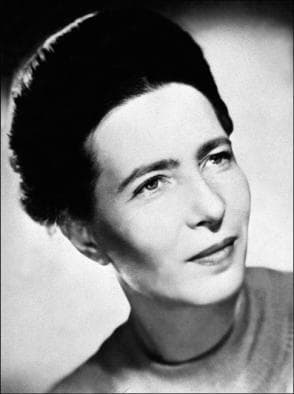
Simone Lucie Ernestine Marie Bertrand de Beauvoir was a French existentialist philosopher, writer, social theorist, and feminist activist. Though she did not consider herself a philosopher, nor was she considered one at the time of her death, she had a significant influence on both feminist existentialism and feminist theory.

Jeff Olson
4.4
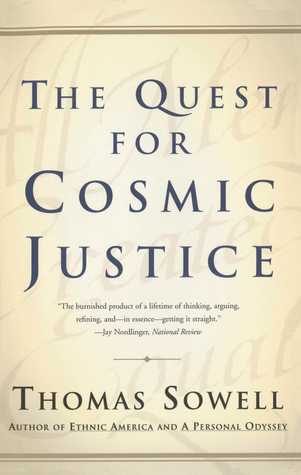
Thomas Sowell
4.4
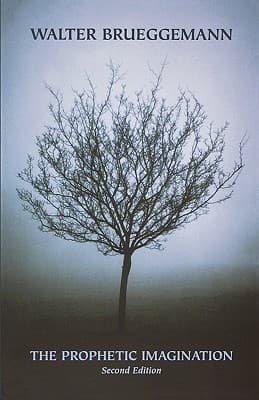
Walter Brueggemann
4.3
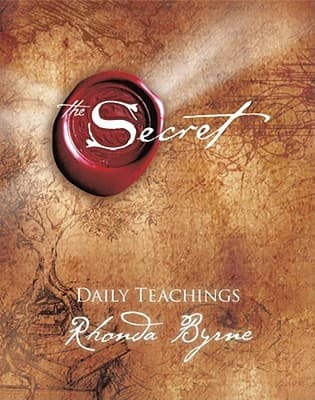
Rhonda Byrne
4.3

Robin Wall Kimmerer
4.3
George S. Clason
4.3
Elliot Aronson
4.3
Joseph Campbell
4.3