BookBrief
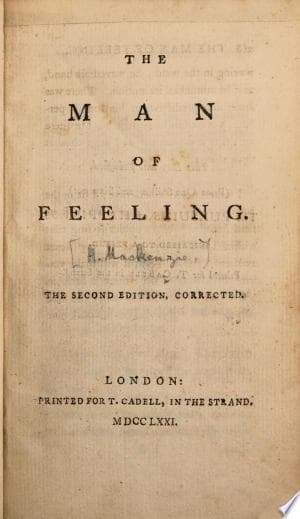
The Man of Feeling cover
Archivist's Choice

The Man of Feeling

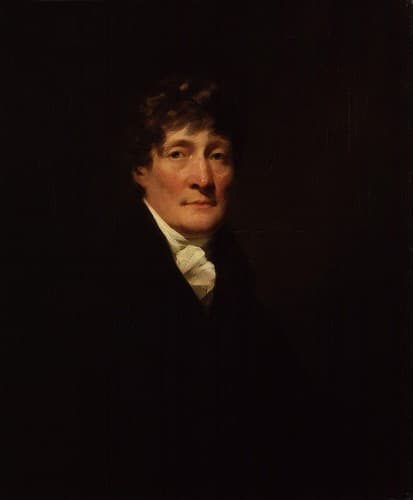
Henry Mackenzie (1801)

Genre

General

Reading Time

240 min

Key Themes

See below

Track Your Reading

Sign in to track this book

A hypersensitive young man, driven by an almost debilitating excess of empathy, navigates a cruel 18th-century world, finding beauty and heartbreak in every encounter.

Core Idea

Henry Mackenzie's 'The Man of Feeling' explores the tragic results of too much sensibility in a morally complex and often cruel world. It suggests that deep emotional capacity, compassion, and moral purity, while beautiful, make a person ill-equipped for society's harsh realities. This leads to exploitation, disappointment, and an early death. The novel criticizes a society that values appearance over genuine feeling. It shows the disconnect between noble emotions and effective action, arguing that too much feeling, without practical understanding or resilience, is a fatal flaw.
Reading time
240 min
Difficulty
Medium
✓ Read this if...
You are interested in the literature of sensibility, the psychological impact of intense emotions, or a poignant critique of societal hypocrisy through the lens of a deeply empathetic protagonist.
✗ Skip this if...
You prefer fast-paced plots, characters who overcome adversity through action, or narratives with clear moral victories and happy endings.

Core idea

The central argument and framework that powers the entire book.

Henry Mackenzie's 'The Man of Feeling' explores the tragic results of too much sensibility in a morally complex and often cruel world. It suggests that deep emotional capacity, compassion, and moral purity, while beautiful, make a person ill-equipped for society's harsh realities. This leads to exploitation, disappointment, and an early death. The novel criticizes a society that values appearance over genuine feeling. It shows the disconnect between noble emotions and effective action, arguing that too much feeling, without practical understanding or resilience, is a fatal flaw.

At a glance

Reading time

240 min

Difficulty

Medium

Read this if...

You are interested in the literature of sensibility, the psychological impact of intense emotions, or a poignant critique of societal hypocrisy through the lens of a deeply empathetic protagonist.

Skip this if...

You prefer fast-paced plots, characters who overcome adversity through action, or narratives with clear moral victories and happy endings.

Key Takeaways

1

The Perils of Excessive Sensibility

Unchecked empathy can lead to social paralysis and personal ruin.

Quote

The Man of Feeling often found himself overwhelmed by the misfortunes of others, rendering him incapable of decisive action.

Harley, the main character of 'The Man of Feeling,' shows the Enlightenment idea of heightened sensibility, but to an extreme. His deep empathy and emotional response, though presented as a good quality, consistently makes him unable to act in a world that needs practical behavior and resilience. He cries easily at others' suffering, gives away his money without thinking of his own future, and struggles with society's more cynical parts. This excessive emotion, instead of leading to effective compassion, often leaves him open to explo...

Supporting evidence

Harley's repeated encounters where he gives money to beggars or distressed individuals, often leaving himself with little, or his inability to confront his uncle about his inheritance, are prime examples of his sensibility leading to practical difficulties.

Apply this

Cultivate empathy, but temper it with practical reasoning and self-preservation. Recognize that true help often requires more than just emotional response; it demands strategic action and a stable personal foundation. Distinguish between feeling deeply and acting effectively.

sentimentalismemotional-intelligenceempathy-fatigue
2

The Disconnect Between Feeling and Action

Noble intentions often fall short without practical resolve and social acumen.

Quote

He felt for them, and with them; but his feelings, alas! were all he had to give.

Harley's character raises a significant question: is feeling enough? He has an admirable purity of heart and deep sympathy, but his inability to turn these feelings into action is his tragic flaw. He often finds himself in situations where his emotional response is deep, but his practical help is either missing, misguided, or ultimately bad for him. This suggests that good intentions are a start, but they are not enough without the skills of judgment, resilience, and strategic thinking needed to navigate a complex and often harsh worl...

Supporting evidence

His interaction with Miss Atkins, a woman in distress, where he offers sympathy but little practical solution, or his failure to secure his inheritance through assertive action, exemplify this gap.

Apply this

When faced with a problem, move beyond mere sympathy to identify concrete steps for resolution. Develop a 'bias for action' that complements emotional understanding. Learn to advocate for yourself and others effectively, even if it feels uncomfortable.

moral-philosophyvirtue-ethicsprosocial-behavior
3

Society's Harsh Realities vs. Individual Innocence

A pure heart struggles to survive in a world driven by self-interest and cynicism.

Quote

The world, my friend, is a theatre where the best parts are often played by the worst men.

Mackenzie contrasts Harley's innocence with the often cruel, materialistic, and deceptive society he lives in. Harley often meets characters who use his good nature, mock his sensibility, or only care about money and social status. This clash shows how vulnerable the 'man of feeling' is in a world not made for his delicate nature. The story suggests that moral purity, though good, offers little protection against a less scrupulous society, often leading to disappointment, heartbreak, and death. It criticizes a society that punishes vi...

Supporting evidence

Harley's encounters with the corrupt Major, who manipulates him, or his observations of the superficiality of high society gatherings, illustrate the stark contrast between his internal world and external reality.

Apply this

Maintain your moral compass, but develop a healthy skepticism and discernment towards others' motives. Understand that not everyone operates with the same ethical framework. Protect your emotional well-being by setting boundaries and recognizing predatory behavior.

social-critiqueinnocence-losthuman-nature
4

The Tragic Beauty of Unrequited Love

Emotional delicacy can prevent the pursuit of happiness, even when reciprocated.

Quote

His heart yearned for her, yet his tongue refused to speak the words that might have bound them forever.

Harley's relationship with Miss Walton explores unexpressed love. Despite clear signs that Miss Walton returns his feelings, Harley's extreme shyness, self-doubt, and fear of rejection, from his heightened sensibility, stop him from saying how he feels. This emotional paralysis, a direct result of his 'feeling' nature, contributes to his tragic end and leaves their love unfulfilled. It shows how internal barriers, even more than external ones, can be the biggest obstacle to personal happiness and connection, especially for someone ove...

Supporting evidence

Numerous scenes where Miss Walton shows kindness and subtle affection, which Harley either misinterprets due to his insecurity or is too timid to respond to directly, culminating in his dying thoughts of her.

Apply this

Recognize that vulnerability is essential for deep connection. Practice expressing your feelings, even if it feels uncomfortable. Don't let fear of rejection or perceived inadequacy prevent you from pursuing meaningful relationships.

romantic-tragedyemotional-vulnerabilityattachment-styles
5

The Ephemeral Nature of Happiness

Moments of joy are fleeting, often overshadowed by the weight of sorrow.

Quote

He found a transient joy in the company of the good, but sorrow was ever his more constant companion.

Throughout Harley's journey, moments of true happiness or contentment are rare and quickly replaced by new misfortunes or sadness. Whether it is the joy of a new friend, the beauty of nature, or a brief break from his troubles, these fleeting moments are always lessened by his sadness and the harsh realities of his life. This pattern shows a pessimistic view of happiness, suggesting it is an elusive and temporary state for the sensitive soul, always threatened by the world's inherent suffering. The book implies that for some, emotiona...

Supporting evidence

His brief enjoyment of the natural landscape is often interrupted by an encounter with a distressed individual, or his moments of peace are quickly followed by financial worry or social slight.

Apply this

Appreciate fleeting moments of joy without expecting them to last indefinitely. Cultivate resilience to navigate inevitable periods of sadness. Understand that a balanced emotional life includes both joy and sorrow, and neither defines the whole.

melancholyhedonic-treadmillexistentialism
6

The Power of Appearance vs. Reality

Judgment based on superficiality often blinds one to true character.

Quote

The world is often deceived by outward show; and 'tis a pity that it should be so.

Mackenzie subtly criticizes the superficiality of 18th-century society, where outward appearances, social status, and money often determined how people were seen and valued, rather than true character or moral integrity. Harley, with his humble means and quiet manner, is often dismissed or misunderstood, while more outwardly successful characters, even if morally questionable, are given respect. This theme shows the injustice of a society that values appearance over substance, contributing to Harley's marginalization and reinforcing t...

Supporting evidence

The initial dismissal of Harley by certain socialites due to his plain dress, contrasted with the respect given to the wealthy but morally ambiguous characters, illustrates this societal flaw.

Apply this

Challenge your own initial judgments based on appearance or social status. Seek to understand individuals for their character and actions, rather than their superficial presentation. Advocate for merit and integrity over outward show.

social-prejudicecognitive-biasauthenticity
7

The Redemptive Quality of Compassion

Despite his flaws, Harley's genuine empathy offers a moral counterpoint.

Quote

His heart was open to every touch of distress, and his hand was ever ready to relieve it.

While the novel criticizes the practical failures of excessive sensibility, it also celebrates the intrinsic value of compassion. Harley, despite his social awkwardness and personal suffering, remains a figure of moral goodness. His consistent willingness to feel for others, to offer comfort, and to share his small resources, even when it harms him, contrasts sharply with the often callous world around him. This suggests that while pure feeling may not lead to worldly success, it has an undeniable moral beauty and reminds us of humani...

Supporting evidence

His numerous acts of spontaneous charity, his deep concern for the plight of the poor, and his unwavering loyalty to his friends, despite his own hardships, demonstrate his inherent goodness.

Apply this

While developing practical skills, never lose sight of the fundamental importance of empathy and compassion. Recognize that true humanity lies in our capacity to feel for and connect with others. Cultivate a heart that is open to the suffering of the world, even if it brings pain.

altruismmoral-couragehumanitarianism
8

The Inevitable Decay of the Delicate Soul

A highly sensitive constitution is ill-equipped for the harshness of life.

Quote

His frame, too delicate for the rude blasts of the world, began to yield to the pressure of its sorrows.

Harley's physical decline, ending in his early death, is a metaphor for what happens to a highly sensitive person in a brutal world. His 'delicate frame' cannot handle the emotional toll of constant disappointment, unrequited love, social injustice, and personal hardship. His sensibility, which allows him to feel so deeply, ultimately destroys him, eroding his physical and mental health. This suggests that some emotional resilience, or even callousness, is necessary for survival, and that an exquisitely sensitive soul is tragically de...

Supporting evidence

Harley's frequent bouts of illness, his weakening condition, and the doctor's assessment of his 'nervous' disposition all point to a physical manifestation of his emotional distress.

Apply this

Prioritize mental and emotional health as much as physical health. Develop coping mechanisms for stress and disappointment. Recognize your own emotional limits and seek environments that support your well-being, rather than constantly challenging it.

emotional-resilienceburnoutsomatization
9

The Search for Authentic Connection

True belonging is found with kindred spirits, not in superficial society.

Quote

He sought not the applause of the crowd, but the quiet approbation of a few select hearts.

Despite his struggles in society, Harley finds comfort and understanding in a few relationships. His bond with his old tutor, Mr. Silton, and his deep, though unexpressed, connection with Miss Walton, offer him brief moments of true belonging. These relationships have mutual respect, shared values, and an appreciation for his sensitive nature, contrasting sharply with the superficiality he finds elsewhere. This shows how important it is to find and keep authentic connections with people who truly understand and value one's core self, ...

Supporting evidence

His deep conversations with his tutor, who understands his sensibility, and the unspoken communion he shares with Miss Walton, are examples of these authentic connections.

Apply this

Prioritize building deep, meaningful relationships with a few trusted individuals over seeking broad social approval. Actively seek out communities or people who share your values and appreciate your unique qualities. Invest time and energy in nurturing these authentic bonds.

social-supportbelonginginterpersonal-relationships
10

The Enduring Appeal of Moral Purity

Even in tragedy, the 'man of feeling' leaves a legacy of profound goodness.

Quote

His memory was embalmed in the tears of sensibility, and his virtues lived in the hearts of those who knew him.

Harley's tragic death, while criticizing unchecked sensibility, also reinforces the lasting appeal and moral importance of his character. His death is mourned by those who truly knew and appreciated him, and his story is presented as an example of deep goodness, even if it led to his downfall. The novel, by its very existence, is an elegy for a dying ideal, suggesting that while the practical world may not accommodate such purity, the human spirit still yearns for and values it. Harley's legacy is not worldly success, but an untarnish...

Supporting evidence

The final scenes depicting the grief of Miss Walton and his friends, and the narrative's overall tone of reverence for his character, despite his misfortunes.

Apply this

Reflect on what kind of legacy you wish to leave. Understand that impact is not solely measured by material success but also by the quality of your character and the positive influence you have on others. Strive for moral integrity, even when it is challenging.

moral-legacyvirtuous-lifetranscendence

Critical analysis

Notable Quotes

What is all the pride of wisdom?

Harley's reflection on the limitations of intellect.

The tear is a tribute which the poor heart pays to humanity.

Harley's musings on the nature of empathy and sorrow.

My Lord, I have been a soldier, and I have seen some service; but I never saw a man that was not afraid to die.

A veteran's candid observation to Harley about fear of death.

There are some strokes of calamity that make us feel the whole of our being.

Harley's philosophical thought on the impact of suffering.

I have often thought that the world is a kind of theatre, where the greatest part of the actors are but sorry performers.

Harley's cynical view of human behavior and societal roles.

He felt for others, and that very feeling was happiness to himself.

Describing Harley's inherent compassionate nature.

The world has been to me a wilderness, in which I have found little to comfort me.

An old man's lament to Harley about his life's hardships.

There is a dignity in distress, which, if it be not reverenced, is at least respected.

Harley's observation on how people react to genuine suffering.

To be without a friend, is to be without a mirror, by which to dress our minds.

Harley's reflection on the importance of friendship.

He had a soul that was alive to every finer feeling.

A general description of Harley's sensitive character.

The rich man's son may be the heir of his father's wealth, but the poor man's child is the heir of his own virtue.

Harley's thoughts on inherited status versus personal merit.

There is a luxury in grief, when it can be indulged without the observation of a censorious world.

Harley's quiet contemplation of his own sorrow.

He saw the world through the medium of a heart too susceptible for its own peace.

A summary of Harley's tragic flaw.

The greatest luxury of riches is, perhaps, to be able to do good without its being known to the world.

Harley's idea of true beneficence.

Quiz

Test Your Knowledge

Ready to see how well you understood this book? Take our interactive quiz with 10 questions.

10
Questions
~5
Minutes
?
Best Score

Key Questions (FAQ)

'The Man of Feeling' is a sentimental novel following the virtuous and highly sensitive Harley as he navigates a world often indifferent to his delicate nature. It explores themes of benevolence, human suffering, and the limitations of sensibility in a practical society.

About the author

Henry Mackenzie

Henry Mackenzie FRSE was a Scottish lawyer, novelist and writer sometimes seen as the Addison of the North. While remembered mostly as an author, his main income came from legal roles, which led in 1804–1831 to a lucrative post as Comptroller of Taxes for Scotland, whose possession allowing him to follow his interest in writing.