BookBrief
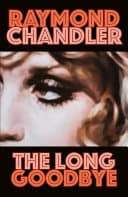
The Long Goodbye cover
Archivist's Choice

The Long Goodbye

Raymond Chandler (1988)

Genre

Psychology / Biography / Memoir

Reading Time

500 min

Key Themes

See below

Track Your Reading

Sign in to track this book

Philip Marlowe's quiet act of friendship with a troubled war veteran spirals into murder, deceit, and a relentless pursuit by both the law and a ruthless gangster, all while he grapples with what loyalty means in Los Angeles's shadowy underworld.

Core Idea

Raymond Chandler's "The Long Goodbye" examines the moral decay and corruption of 1950s Los Angeles through private investigator Philip Marlowe. The novel argues that surface appearances deceive, hiding the true, often grim, nature of people and society. It explores how fragile human connection, especially friendship, is when confronted with wealth, privilege, and the solitude of modern life. Marlowe, despite his cynicism, is a moral compass in a world where justice is rare, showing the personal cost of following ethics in a compromised system.
Reading time
500 min
Difficulty
Medium
✓ Read this if...
You appreciate hard-boiled detective fiction with deep psychological undertones, enjoy intricate plots with a strong sense of atmosphere, or are interested in a critical look at societal corruption and the nature of friendship.
✗ Skip this if...
You prefer fast-paced action over introspective character development and nuanced dialogue, or dislike morally ambiguous narratives with melancholic themes.

Core idea

The central argument and framework that powers the entire book.

Raymond Chandler's "The Long Goodbye" examines the moral decay and corruption of 1950s Los Angeles through private investigator Philip Marlowe. The novel argues that surface appearances deceive, hiding the true, often grim, nature of people and society. It explores how fragile human connection, especially friendship, is when confronted with wealth, privilege, and the solitude of modern life. Marlowe, despite his cynicism, is a moral compass in a world where justice is rare, showing the personal cost of following ethics in a compromised system.

At a glance

Reading time

500 min

Difficulty

Medium

Read this if...

You appreciate hard-boiled detective fiction with deep psychological undertones, enjoy intricate plots with a strong sense of atmosphere, or are interested in a critical look at societal corruption and the nature of friendship.

Skip this if...

You prefer fast-paced action over introspective character development and nuanced dialogue, or dislike morally ambiguous narratives with melancholic themes.

Key Takeaways

1

The Unreliability of Surface-Level Appearances

Truth is often obscured by charm, wealth, and social standing.

Quote

There are no friends at the end. Only the old enemies.

Chandler shows how the polished exteriors of Los Angeles society hide moral decay and deception. Philip Marlowe often meets people who seem respectable, trustworthy, or even victimized, only for their true, often sinister, natures to appear. This idea is central to the complex plot, where first impressions — of Terry Lennox as a charming war veteran, or the Wade family as simply rich socialites — are systematically undone. The book challenges the reader to look beyond surface charm and social status, suggesting these are often the bes...

Supporting evidence

Terry Lennox's entire persona and the subsequent revelation of his true identity and actions, contrasted with his initial portrayal as Marlowe's down-on-his-luck friend. The respectable facade of the Wades and their associates, who are deeply embroiled in crime and moral compromise.

Apply this

Cultivate a healthy skepticism towards initial impressions, especially when significant wealth or charm are involved. Look for inconsistencies in behavior and narrative, and recognize that people's actions often speak louder than their carefully constructed words or social roles.

deceptionsocial-facadecorruption
2

Friendship's Fragile and Fleeting Nature

Even the strongest bonds can be betrayed, leaving a lasting sense of disillusionment.

Quote

The long goodbye is the hardest. The one that never really ends.

At its heart, 'The Long Goodbye' is a reflection on friendship and its weaknesses. Marlowe's bond with Terry Lennox, formed over drinks and shared understanding, is the emotional core of the novel. Marlowe's steady loyalty, even when faced with strong evidence against Lennox, drives much of the story. However, this loyalty is broken by Lennox's elaborate deception, leaving Marlowe with a deep sense of betrayal and loss. The 'long goodbye' is not just to Lennox, but to the ideal of friendship itself — an understanding that even the peo...

Supporting evidence

Marlowe's initial unwavering defense of Terry Lennox, despite police pressure and public opinion, culminating in his final, bitter confrontation and severing of ties after Lennox's true identity and actions are revealed.

Apply this

While loyalty is a virtue, it's crucial to balance it with critical judgment and self-preservation. Recognize that even in deep friendships, individuals have their own complexities and potential for actions that may betray trust. Be prepared for the emotional impact of such betrayals, and allow for a 'long goodbye' to the idealized version of a relationship when reality intrudes.

betrayalloyaltydisillusionment
3

The Private Eye as a Moral Compass

In a world adrift in moral ambiguity, Marlowe stands as a solitary beacon of integrity.

Quote

I'm a romantic, I suppose. I've been in love with the wrong women all my life. And I've tried to be a good guy, even when it wasn't easy.

Philip Marlowe is more than a detective; he is a moral center in the corrupt 1950s Los Angeles. While others are driven by greed, lust, or social climbing, Marlowe acts on a strict, if unique, code of ethics. He consistently chooses the difficult path of truth and justice, even when it puts him in danger or costs him money. His integrity is not for sale, a sharp contrast to the greedy characters he meets among the wealthy elite. This steady moral stance makes 'The Long Goodbye' more than a simple crime novel, establishing Marlowe as a...

Supporting evidence

Marlowe's refusal to be bought off by the Wades, his persistent pursuit of the truth about Sylvia Lennox's death despite the risks, and his ultimate decision to expose Terry Lennox, even at great personal cost and emotional pain.

Apply this

Identify and adhere to a personal code of ethics, even when external pressures or the prevailing culture suggest compromise. Recognize that true integrity often means standing alone and making difficult choices that prioritize truth and justice over personal gain or social acceptance.

integritymoral-codeheroism
4

The Corrosive Power of Wealth and Privilege

Money and social status often grant impunity, fostering moral decay and unchecked vice.

Quote

Money is the only thing that counts in this world. And a lot of it.

Chandler paints a harsh picture of the wealthy elite in Los Angeles, showing them as self-indulgent, amoral, and mostly unaffected by the results of their actions. Characters like the Wades, their friends, and even the manipulative Terry Lennox, use their wealth and social connections to commit crimes, cover up wrongs, and escape justice. This privilege creates a moral emptiness where ethics are secondary to keeping up appearances and power. Marlowe, a man of modest means, often conflicts with this system, showing the large difference...

Supporting evidence

Roger Wade's alcoholism and abusive behavior, Sylvia Lennox's promiscuity and manipulative nature, the ease with which crimes are covered up or attributed to others, and the general sense of entitlement displayed by the wealthy characters.

Apply this

Be critical of systems and individuals who seem to operate above the law due to their wealth or influence. Advocate for accountability across all socioeconomic strata, recognizing that unchecked privilege can lead to systemic corruption and injustice. Do not be swayed by the glamour of wealth when assessing moral character.

privilegecorruptionsocial-critique
5

Alcoholism as a Symptom of Deeper Despair

Drinking in Chandler's world is often a desperate attempt to numb profound inner turmoil.

Quote

I needed a drink, I needed a lot of drinks, I needed a continent of drinks.

Alcohol fills the world of 'The Long Goodbye,' but it is rarely shown as just a social drink. Instead, it is a strong symbol of the characters' internal struggles, their attempts to escape reality, and their deep despair. Roger Wade's destructive alcoholism is perhaps the clearest example, coming from his creative block, marital unhappiness, and a deep self-hatred. Even Marlowe, while rarely drunk, often turns to a drink to process the grim realities he uncovers. The widespread drinking among the wealthy elite is not just indulgence; ...

Supporting evidence

Roger Wade's spiraling alcoholism, his drunken rages, and his dependency on alcohol to cope with his writing failures and Sylvia's infidelity. The constant presence of drinks in almost every social interaction, signaling a culture of escapism.

Apply this

Recognize that excessive drinking or other forms of escapism often mask deeper emotional or psychological issues. Approach substance abuse not just as a moral failing, but as a symptom requiring empathy and a deeper understanding of underlying pain. Be mindful of your own coping mechanisms and seek healthy ways to process stress and despair.

alcoholismdespairescapism
6

The Elusiveness of Justice in a Corrupt System

True justice is a rare commodity, often obstructed by power, manipulation, and indifference.

Quote

There are always the long chances. The long shots. And the long goodbyes.

For all of Marlowe's efforts, 'The Long Goodbye' suggests that true, fair justice is almost impossible to achieve. The police force is often shown as either incompetent, easily manipulated, or involved with the powerful. The wealthy characters are good at using their influence to avoid prosecution or shift blame. Marlowe's search for truth is a lonely one, operating outside official channels because he knows they are compromised. Even when he uncovers the truth, the outcome is rarely a clear victory for justice; instead, it is often a...

Supporting evidence

The police quickly closing the case on Sylvia Lennox's murder by blaming Terry, the ease with which the Wades and their lawyer manipulate the investigation, and the ultimate 'escape' of Terry Lennox from legal consequences.

Apply this

Maintain a critical perspective on official narratives, especially when power dynamics are at play. Support independent journalism and investigative efforts that challenge established truths. Be prepared for the reality that justice is often imperfect and requires persistent, sometimes thankless, advocacy.

justicecorruptionlegal-system
7

The Femme Fatale Subverted and Reimagined

Chandler explores the destructive female figure, but adds layers of complexity and tragedy.

Quote

She was a blonde to make a bishop kick a hole in a stained-glass window.

While 'The Long Goodbye' has elements of the classic noir femme fatale, Chandler changes and complicates the archetype. Sylvia Lennox fits the description — beautiful, manipulative, wealthy, and ultimately dead — driving much of the plot. However, Eileen Wade, at first appearing as the distressed, sympathetic wife, gradually shows her own manipulative depths and destructive abilities. Neither is a simple villain; they are products of their environment, caught in their own desires and despair. Chandler goes beyond the simple seductress...

Supporting evidence

Sylvia Lennox's history of multiple marriages, her destructive relationship with Terry, and her ultimate murder. Eileen Wade's calculated seduction of Marlowe, her role in covering up Terry's actions, and her own hidden past with Terry.

Apply this

Challenge simplistic portrayals of characters, especially women, in media and real life. Look for the underlying motivations, vulnerabilities, and societal pressures that shape an individual's actions, rather than reducing them to archetypes. Recognize that beauty and charm can mask complex and potentially dangerous psychological states.

femme-fatalegender-rolespsychology
8

The Enduring Solitude of the Modern Man

Marlowe's world is one of profound isolation, where genuine connection is fleeting.

Quote

To say goodbye is to die a little.

Despite his interactions with many characters, Philip Marlowe remains a solitary figure. He has no family, few lasting friendships, and his romantic relationships are brief or unreturned. His moral code, while admirable, often separates him further from a society that values compromise and self-interest. The 'long goodbye' is not just to Terry Lennox, but to the possibility of a stable, connected life. This idea fits with the existential anxiety of the mid-20th century, showing the modern person as an island, navigating a complex worl...

Supporting evidence

Marlowe's bachelor lifestyle, his lack of a long-term partner, his often-strained relationships with law enforcement, and his ultimate emotional break from Terry Lennox, leaving him once again alone.

Apply this

Acknowledge the inherent solitude of the human experience, even within relationships. Cultivate self-reliance and inner strength, but also actively seek out meaningful, authentic connections. Understand that maintaining personal integrity can sometimes lead to a degree of isolation, which must be managed with self-awareness.

solitudeexistentialismloneliness
9

Los Angeles as a Character: A City of Dreams and Delusions

The glittering facade of LA hides a dark underbelly of corruption and shattered hopes.

Quote

It was a blond town, and the blondes were all in trouble.

Chandler's Los Angeles is more than a setting; it is a living character that affects every part of the story. He details its spreading geography, its varied social classes, and its unique mix of sunshine and shadow. The city is a place of superficial glamour, where wealth and beauty are valued most, but beneath this glittering exterior is a cesspool of crime, moral decay, and shattered dreams. From the exclusive areas of the rich to the smoky backrooms of bars, LA is a place where identities are fluid, secrets are many, and corruption...

Supporting evidence

The detailed descriptions of the luxurious homes in Brentwood and Malibu contrasted with the grittier downtown areas. The prevalence of the film industry and its associated hangers-on, all seeking fame and fortune, often through dubious means.

Apply this

When analyzing any narrative, consider how the setting shapes characters and plot. Recognize that cities, like individuals, have complex personalities and can exert powerful, often subconscious, influences on behavior and morality. Be critical of idealized portrayals of places and seek to understand their full, often contradictory, realities.

urban-noirsetting-as-characteramerican-dream
10

The Enduring Power of Style and Dialogue

Chandler's distinctive prose elevates a crime story into literary art.

Quote

He was a big, hard man with a face made of granite and a smile that could freeze water.

Beyond its plot and ideas, 'The Long Goodbye' is a master class in literary style. Chandler's prose is sharp, vivid, and instantly recognizable. His use of strong comparisons, cynical wit, and hard-boiled dialogue creates a distinct atmosphere that is both gritty and poetic. Marlowe's internal thoughts are full of philosophical observations and world-weary wisdom, while his interactions are laced with dry humor and cutting remarks. This stylistic brilliance turns what could be a straightforward detective story into a work of art, show...

Supporting evidence

The opening paragraphs describing Terry Lennox's appearance, Marlowe's internal reflections on friendship and morality, and the crisp, often cynical, exchanges between Marlowe and other characters.

Apply this

Pay close attention to an author's writing style and how it contributes to the overall message and experience of a book. Practice analyzing how specific word choices, metaphors, and dialogue patterns create atmosphere and reveal character. Recognize that effective communication, in any context, often relies on a distinctive and engaging voice.

literary-styleprosedialogue

Critical analysis

Notable Quotes

To say goodbye is to die a little.

Reflecting on the emotional toll of parting ways with loved ones.

Grief is a long, slow process that demands patience and self-compassion.

Discussing the nature of mourning after the loss of her mother.

In the end, we are all just stories. Tell yours well.

Encouraging readers to embrace their personal narratives.

The silence after loss is not empty; it is full of answers.

Describing the introspective moments following a death.

We don't get over grief; we learn to carry it differently.

Explaining how grief evolves over time rather than disappearing.

Memory is a tricky thing—it bends and shifts with time.

Reflecting on how recollections change as we process loss.

Sometimes the hardest goodbyes are the ones we never get to say.

Addressing unresolved feelings after a sudden loss.

Grief taught me that love does not end with death.

Sharing a personal insight about enduring connections.

In mourning, we rebuild ourselves piece by piece.

Describing the gradual process of recovery after loss.

The stories we tell about the dead keep them alive in us.

Emphasizing the role of narrative in preserving memory.

Loss strips away the nonessential, revealing what truly matters.

Reflecting on how grief clarifies life's priorities.

There is no right way to grieve; there is only your way.

Advocating for personal and unique mourning processes.

The long goodbye is not just to a person, but to a version of yourself.

Exploring how identity shifts after a significant loss.

Quiz

Test Your Knowledge

Ready to see how well you understood this book? Take our interactive quiz with 10 questions.

10
Questions
~5
Minutes
?
Best Score

Key Questions (FAQ)

'The Long Goodbye' is a crime fiction novel by Raymond Chandler where private detective Philip Marlowe befriends war veteran Terry Lennox, who becomes a suspect after his wealthy ex-wife is murdered. The story follows Marlowe's investigation through a web of deception, corruption, and violence in Los Angeles.

About the author

Raymond Chandler

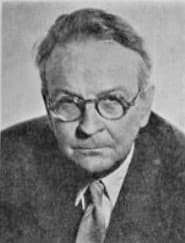
Raymond Thornton Chandler was an American-British novelist and screenwriter. In 1932, at the age of forty-four, Chandler became a detective fiction writer after losing his job as an oil company executive during the Great Depression. His first short story, "Blackmailers Don't Shoot", was published in 1933 in Black Mask, a popular pulp magazine. His first novel, The Big Sleep, was published in 1939. In addition to his short stories, Chandler published seven novels during his lifetime. All but Playback have been made into motion pictures, some more than once. In the year before his death, he was elected president of the Mystery Writers of America.