BookBrief
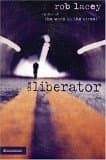
The Liberator cover
Archivist's Choice

The Liberator

Rob Lacey (2006)

Genre

General

Reading Time

12 Minutes

Key Themes

See below

Track Your Reading

Sign in to track this book

Rob Lacey's "The Liberator" reworks Jesus's life and teachings through modern urban speech, making ancient stories feel urgent and relevant today.

Core Idea

Rob Lacey's "The Liberator" is a contemporary and accessible retelling of the Gospel of John, aiming to make the ancient text resonate with a modern audience. Lacey employs a conversational, often colloquial, and highly engaging style to present Jesus not as a distant historical figure, but as a dynamic and revolutionary 'liberator' who challenges societal norms, offers radical freedom, and demands a personal response. The book emphasizes the direct, life-altering impact of Jesus's teachings and actions, inviting readers to experience the narrative with fresh eyes and consider its relevance to their own lives in the 21st century.
Difficulty
Easy

Core idea

The central argument and framework that powers the entire book.

Rob Lacey's "The Liberator" is a contemporary and accessible retelling of the Gospel of John, aiming to make the ancient text resonate with a modern audience. Lacey employs a conversational, often colloquial, and highly engaging style to present Jesus not as a distant historical figure, but as a dynamic and revolutionary 'liberator' who challenges societal norms, offers radical freedom, and demands a personal response. The book emphasizes the direct, life-altering impact of Jesus's teachings and actions, inviting readers to experience the narrative with fresh eyes and consider its relevance to their own lives in the 21st century.

At a glance

Difficulty

Easy

Key Takeaways

1

Jesus: The Ultimate Storyteller

Parables as dynamic, relatable narratives for a modern audience.

Quote

He told them many things in parables, saying...

Lacey's version shows Jesus's skill with parables. He treats them not as old stories but as direct, relevant comparisons meant to cut through noise. Lacey updates the farming images of the original texts to modern situations, making the lessons easy for city readers to grasp. For example, the parable of the sower might feature a DJ mixing tracks, with some beats landing well and others getting lost in static. This approach highlights Jesus's cleverness in using everyday situations to share spiritual truths. It shows his understanding ...

Supporting evidence

Lacey's extensive re-imagining of parables like the Sower, the Prodigal Son, and the Good Samaritan, using modern metaphors and dialogue.

Apply this

When communicating complex ideas, translate them into relatable, contemporary analogies that resonate with your specific audience's experiences.


2

Challenging the Status Quo

Jesus as a radical social disruptor, not just a spiritual teacher.

Quote

He didn't come to fit in; he came to flip the script.

Lacey presents Jesus as a disruptive figure. He challenged the religious, social, and political norms of his time directly. Lacey removes the image of a gentle prophet, instead showing a passionate, often confrontational person who actively aimed to upset established power and hypocrisy. The temple cleansing, for instance, is shown as a raw, rebellious act against commercialism and corruption. This interpretation highlights Jesus's radical openness, his willingness to eat with outsiders, and his direct criticisms of power. This makes ...

Supporting evidence

The vivid retelling of the Temple cleansing, interactions with tax collectors and prostitutes, and direct confrontations with the Pharisees.

Apply this

Identify and challenge systems or norms that perpetuate injustice or exclude marginalized groups, even if it means discomfort or confrontation.

3

The Human Face of Divinity

Lacey's Jesus is relatable through his emotional depth and struggles.

Quote

He was fully God, yes, but also fully human, feeling every sting, every joy, every doubt.

One of Lacey's best methods is stripping away the sanitization often found in traditional Bible stories. He shows Jesus as a deeply human figure who feels a full range of emotions. His frustration, empathy, tiredness, and even moments of doubt are clear, making him very relatable. The agony in Gethsemane is shown with raw, clear despair, allowing readers to connect with his vulnerability. This approach counters the often-distant image of a perfect deity. Instead, it offers a Jesus who understands human suffering and temptation from pe...

Supporting evidence

Detailed accounts of Jesus's emotional responses: weeping at Lazarus's tomb, anger at the Pharisees, weariness from travel, and anguish in Gethsemane.

Apply this

Allowing yourself to experience and express a full range of human emotions, including vulnerability, can deepen your connection with others and your capacity for empathy.

4

Language as a Bridge

Modern vernacular revitalizes ancient texts, but risks oversimplification.

Quote

He spoke the language of the streets, and so do I.

Lacey's main method is to put the biblical story into modern urban slang and speech. This bold choice makes the text more accessible and immediate. He uses modern sayings, pop culture references, and a casual tone to remove barriers often created by old language. This approach successfully refreshes familiar stories, making them feel new and urgent. However, this method has limits: while it improves readability, there is a risk of losing some of the linguistic subtlety, poetic depth, or theological weight in the original texts. The ba...

Supporting evidence

The entire book's linguistic style, characterized by modern slang, contractions, and contemporary cultural references throughout the dialogue and narrative.

Apply this

When communicating complex ideas across cultural or generational divides, adapt your language to resonate with your audience, but be mindful of potential loss of nuance or depth.

5

The Power of Radical Inclusion

Jesus's consistent embrace of the marginalized challenges modern prejudices.

Quote

No one was too far gone, too messed up, or too 'other' for his attention.

A repeated theme Lacey shows is Jesus's strong commitment to radical inclusion. He consistently sought out and welcomed those society rejected—the sick, the poor, women, children, foreigners, and those called sinners. Lacey vividly describes these interactions, showing Jesus's deliberate defiance of social norms and religious biases. The stories of the Samaritan woman, Zacchaeus the tax collector, and the woman caught in adultery focus on Jesus's compassionate look and his revolutionary message of acceptance. This part of the book rem...

Supporting evidence

Numerous accounts of Jesus interacting with outcasts: the Samaritan woman, Zacchaeus, lepers, prostitutes, and his disciples including fishermen and a tax collector.

Apply this

Actively seek to understand and include individuals or groups who are marginalized or overlooked in your community or workplace.

6

Miracles as Metaphors and Manifestations

Miracles are both literal acts and symbolic representations of spiritual truth.

Quote

He didn't just heal bodies; he healed lives, minds, and spirits.

Lacey handles the often-difficult topic of miracles by showing them in two ways: as literal, amazing events that show divine power, and as deep metaphors for spiritual change. The healing of the blind man is not just about regaining sight; it is about spiritual insight and seeing the world differently. The feeding of the crowds speaks to both physical food and the spiritual nourishment Jesus's teachings offer. By framing miracles this way, Lacey allows modern readers, who might struggle with the supernatural, to engage with their deep...

Supporting evidence

Lacey's retelling of various miracles, such as healing the sick, raising the dead, and feeding the five thousand, often followed by reflections on their deeper, symbolic meaning.

Apply this

Look beyond the surface of challenging situations for deeper, symbolic lessons or opportunities for personal growth and transformation.

7

The Cost of Discipleship

Following Jesus demands radical commitment and sacrifice.

Quote

If you're in, you're all in. No half-measures allowed.

Lacey clearly shows that following Jesus was never an easy path. It demanded deep commitment and often great sacrifice. He does not avoid Jesus's challenging statements about leaving family, giving up possessions, and taking up one's cross. The story emphasizes how radical this call was, highlighting the personal costs for disciples who left their jobs to follow him. This portrayal counters a 'feel-good' interpretation of faith. Instead, it emphasizes the transformative and often hard journey of true discipleship. It is a stark remind...

Supporting evidence

Jesus's challenging statements to potential followers (e.g., 'Let the dead bury their own dead,' 'Foxes have dens...'), and the sacrifices made by the apostles.

Apply this

Evaluate your own commitments and be willing to make difficult choices or sacrifices for what you truly believe in or value most deeply.

8

Resurrection: The Ultimate Game Changer

The resurrection is presented as the pivotal event, redefining hope and purpose.

Quote

Death thought it had won, but then the ultimate plot twist happened.

Lacey ends his story with a powerful and dramatic account of the resurrection. He shows it not just as a miracle, but as the central point of the entire story. He uses urgent language to convey the shock, confusion, and eventual deep joy of the disciples when they found the empty tomb and met the risen Jesus. This event is framed as the ultimate victory over death and despair. It fundamentally changed the disciples' understanding of Jesus's mission and started a new movement of hope. The resurrection, in Lacey's telling, is the moment...

Supporting evidence

The vivid and emotionally charged descriptions of the crucifixion, burial, discovery of the empty tomb, and subsequent appearances of the risen Jesus.

Apply this

In times of despair or apparent defeat, seek out the possibility of renewal, transformation, and new beginnings, believing in the power of unexpected turns.

9

The Unfinished Story

The narrative extends beyond Jesus's life, inviting reader participation.

Quote

And the story didn't end there. It just got passed on to you.

A subtle but strong point of Lacey's approach is the implicit invitation for the reader to join the ongoing story. By ending the book not with a final conclusion but with the commissioning of the disciples and the promise of the Spirit, Lacey suggests that Jesus's story is not just history but an active, continuing force. The modern language and relatable scenarios bridge the time gap, making the reader feel directly addressed and involved in the mission. This encourages a sense of personal responsibility and action, implying that the...

Supporting evidence

The concluding chapters focusing on the Great Commission, the ascension, and the implied continuation of the narrative through the early church and beyond.

Apply this

Recognize that your actions and choices contribute to a larger, ongoing narrative or cause, and actively participate in shaping its future.

10

Relevance Beyond Religion

Jesus's teachings offer universal wisdom for ethical living and human flourishing.

Quote

You don't have to be 'religious' to get what he was saying. It's about how to live.

While based on a religious text, Lacey's 'The Liberator' effectively draws out and highlights the universal ethical and philosophical ideas in Jesus's teachings. This makes them relevant even for those outside traditional faith. The focus on love, compassion, forgiveness, justice, and selflessness crosses religious lines. Lacey's modern telling removes much of the church language, presenting Jesus's main messages as practical guides for human well-being and societal health. This suggests that the wisdom in the gospels offers deep insi...

Supporting evidence

Lacey's consistent focus on the practical implications of Jesus's sermons (e.g., Sermon on the Mount) and parables for daily life and interpersonal relationships.

Apply this

Seek out and apply universal ethical principles of compassion, justice, and empathy in your daily interactions and decision-making, regardless of your personal beliefs.

Critical analysis

Notable Quotes

Quiz

Test Your Knowledge

Ready to see how well you understood this book? Take our interactive quiz with 10 questions.

10
Questions
~5
Minutes
?
Best Score

Key Questions (FAQ)

"The Liberator" by Rob Lacey retells the complete story of Jesus in a contemporary, urban style. It uses modern dialogue and imagery to offer a fresh perspective on the familiar narratives and teachings of Jesus.

About the author