BookBrief
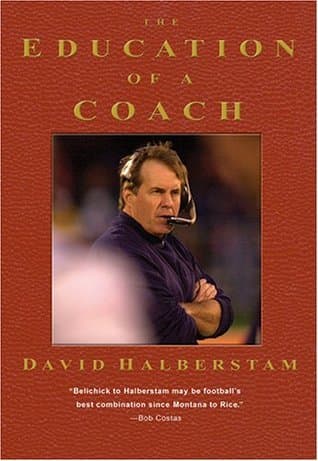
The Education of a Coach cover
Archivist's Choice

The Education of a Coach

David Halberstam (2005)

Genre

Business / Biography / Leadership / History

Reading Time

6-8 hours

Key Themes

See below

Track Your Reading

Sign in to track this book

David Halberstam's book explores Bill Belichick's strategic mind, showing how his leadership built a football dynasty through an intense focus on the game.

Core Idea

Bill Belichick's success as an NFL coach comes from a lifelong, intense study of football strategy and preparation. His career shows a leadership style based on curiosity, a deep knowledge of the game's history, and a commitment to accountability and adaptability. He often ignored common opinions or public approval. The book argues that true mastery in any complex field requires a continuous pursuit of knowledge and an uncompromising focus on core elements that drive performance.
Reading time
6-8 hours
Difficulty
Medium
✓ Read this if...
You are fascinated by the meticulous craft of leadership, strategic thinking in high-stakes environments, or the biography of one of sports' most enigmatic and successful figures. Ideal for those who appreciate detailed narratives of relentless dedication and the evolution of expertise.
✗ Skip this if...
You prefer books with a more narrative-driven, less analytical biographical style, or if you are not interested in sports, particularly American football, as many examples and contexts are deeply embedded in the sport.

Core idea

The central argument and framework that powers the entire book.

Bill Belichick's success as an NFL coach comes from a lifelong, intense study of football strategy and preparation. His career shows a leadership style based on curiosity, a deep knowledge of the game's history, and a commitment to accountability and adaptability. He often ignored common opinions or public approval. The book argues that true mastery in any complex field requires a continuous pursuit of knowledge and an uncompromising focus on core elements that drive performance.

At a glance

Reading time

6-8 hours

Difficulty

Medium

Read this if...

You are fascinated by the meticulous craft of leadership, strategic thinking in high-stakes environments, or the biography of one of sports' most enigmatic and successful figures. Ideal for those who appreciate detailed narratives of relentless dedication and the evolution of expertise.

Skip this if...

You prefer books with a more narrative-driven, less analytical biographical style, or if you are not interested in sports, particularly American football, as many examples and contexts are deeply embedded in the sport.

Key Takeaways

1

The Apprenticeship of Obsession

Greatness is forged through decades of relentless, granular dedication, not sudden genius.

Quote

For Bill, football was never just a game; it was a puzzle to be solved, a system to be understood, and a lifelong project of mastery.

Belichick's coaching career was not a sudden rise, but a slow, careful gathering of knowledge and experience. Halberstam details how Belichick spent decades working his way up, starting as an assistant with the Baltimore Colts at age 23. He carefully studied every part of the game. He learned from coaches like Ted Marchibroda and Bill Parcells, taking in their knowledge while developing his own views. This early period, with long hours, detailed film study, and constant curiosity, shows that true expertise comes from a relentless, oft...

Supporting evidence

Halberstam details Belichick's early career, including his time with the Baltimore Colts and Detroit Lions, emphasizing his role in special teams and defensive analysis, and his meticulous note-taking and film study habits that began from day one.

Apply this

Embrace the 'long game' in your career. Instead of seeking shortcuts, commit to deep, sustained learning and hands-on experience in your field. View every role, no matter how minor, as an opportunity to master the fundamental building blocks of your craft.
2

The Unsung Architect of Defense

Belichick's genius lies in his unparalleled understanding of defensive strategy and personnel utilization.

Quote

He saw the game not just from the coach's box, but from the perspective of every player on the field, understanding how each piece fit into the larger defensive tapestry.

Halberstam shows Belichick's reputation as a defensive expert, long before he became a head coach. His years as a defensive coordinator, especially with the New York Giants under Bill Parcells, reveal his ability to analyze offenses, use matchups, and design complex defensive plans that fit his players' strengths. He was not just calling plays; he was building a defensive approach. This involved understanding leverage, angles, and the mental aspects of football. His new use of players, often moving them to different positions to get t...

Supporting evidence

The book extensively covers Belichick's tenure as defensive coordinator for the New York Giants, particularly his role in their Super Bowl XXV victory where his defensive game plan famously neutralized the Buffalo Bills' high-powered offense.

Apply this

Identify your core area of expertise and commit to becoming the absolute best in it. Don't be afraid to develop unconventional approaches within your specialty. Your deep, nuanced understanding will eventually become your greatest asset and differentiator.

3

Mastering the Details, Ignoring the Noise

Success is built on meticulous attention to every minute detail and a ruthless focus on what truly matters.

Quote

For Belichick, every single play, every single situation, every single player was a data point to be analyzed, understood, and prepared for.

Belichick's coaching is defined by his focus on details. Halberstam describes a coach who examines every aspect, from scouting opponents to managing the clock to improving practice drills. This detailed approach means nothing is left to chance; every possible situation is considered and prepared for. This attention to detail is combined with an ability to ignore outside distractions like media scrutiny, fan expectations, or internal politics. His focus stays solely on the process, preparation, and performance. This disciplined separat...

Supporting evidence

Halberstam highlights Belichick's extensive use of film study, his detailed playbooks, and his meticulous pre-game preparation, often including specific drills for unique opponent tendencies or potential game situations.

Apply this

Adopt a 'micro-level' approach to your work. Break down large goals into smaller, manageable details and master each one. Simultaneously, cultivate the discipline to filter out irrelevant information and stay focused on your core objectives, regardless of external pressures.

4

Adaptability Over Dogma

True leadership means constantly evolving your strategy to fit your personnel, not forcing personnel into a rigid system.

Quote

He didn't have a system that he imposed on his players; he had a philosophy that he adapted to the strengths of the players he had.

One of Belichick's most underestimated strengths, according to Halberstam, is his adaptability. Unlike many coaches who stick to one offensive or defensive 'system,' Belichick changes his plans to fit the available talent. This means he is willing to completely change his approach year to year, or even during a season, if it helps his players perform their best. This requires a deep understanding of individual strengths and weaknesses, and a willingness to be practical rather than rigid. It shows his intellectual flexibility and his f...

Supporting evidence

The book points to the Patriots' frequent shifts in offensive and defensive identity over the years, from run-heavy to pass-heavy, or from a 3-4 defense to a 4-3, based on the personnel they had available.

Apply this

In your professional life, resist the urge to rigidly apply a single methodology. Instead, continuously assess your team's or organization's current strengths and weaknesses, and adapt your strategies accordingly. Be flexible and pragmatic, prioritizing effective outcomes over adherence to a fixed playbook.

5

The Value of the Unsung Specialist

Success often hinges on identifying and leveraging overlooked talent and specialized roles.

Quote

He saw value in players other teams discarded, not just for their athletic talent, but for their specific fit within his intricate schemes.

Halberstam points out Belichick's ability to find and use players considered 'rejects' or 'misfits' by other teams. This is not just about finding hidden gems. It is about understanding specific needs within his complex plans and finding players who can excel in those specialized roles, often for less money. He values intelligence, versatility, and a willingness to take on specific tasks over raw talent. This strategy allows the Patriots to build a deep, tough roster without always relying on expensive stars. It is a practical way to ...

Supporting evidence

Examples include the Patriots' success with undrafted free agents, players acquired for late-round draft picks, or veterans signed off the scrap heap, who then become critical contributors in specific roles (e.g., special teams aces, slot receivers, situational pass rushers).

Apply this

Look beyond obvious candidates for roles within your team or project. Seek out individuals with specialized skills or unique perspectives that can fill specific gaps. Emphasize fit and willingness to contribute to a larger vision over traditional 'star power.'

6

Culture of Accountability and Preparation

A winning culture demands unwavering accountability and relentless, disciplined preparation from everyone.

Quote

There was a clear understanding that if you were part of Belichick's team, you were expected to do your job, and do it to the highest possible standard, every single day.

Belichick creates a culture where accountability is essential. Halberstam describes a locker room where excuses are not accepted, and every player, regardless of star status, is expected to do their job perfectly. This applies not just to game day, but also to careful preparation, film study, and practice effort. This demanding environment, though sometimes seen as cold, ensures that everyone understands their responsibilities and how their actions affect the team. It is a system where consistent effort and execution are rewarded, cre...

Supporting evidence

The book details the strict adherence to practice routines, film sessions, and the unspoken expectation that players must be fully prepared and knowledgeable about their assignments, often without explicit verbal praise from Belichick.

Apply this

Establish clear expectations and accountabilities within your team or project. Foster an environment where rigorous preparation is the norm, and every individual understands their critical role in achieving collective success. Lead by example in your own commitment to excellence.

7

The Art of the 'No-Nonsense' Leader

Effective leadership doesn't always require charisma; sometimes, it demands brutal honesty and clarity.

Quote

He didn't seek to be loved; he sought to be respected, and he earned that respect through competence and a relentless pursuit of victory.

Belichick is known for being quiet and often brief with the media, a contrast to many outgoing sports figures. Halberstam argues that this 'no-nonsense' approach, while off-putting to some, is a deliberate and effective leadership style. He communicates with honesty and directness to his players, valuing clarity and substance over emotional appeals. This creates an environment free of fluff and focused purely on performance. Players know exactly where they stand and what is expected of them. His authority comes from his deep knowledge...

Supporting evidence

Halberstam describes Belichick's famously short and direct press conferences, and his straightforward, often blunt, communication style with players, focusing purely on football matters.

Apply this

Assess your natural communication style and leverage it authentically. Don't feel pressured to adopt a charismatic persona if it's not genuine. Focus on clear, direct, and honest communication, ensuring your team understands expectations and priorities, even if it means being unpopular at times.

8

The Relentless Pursuit of the Edge

Winning consistently requires constantly seeking marginal advantages and exploiting every legal opportunity.

Quote

For Belichick, the game was a constant negotiation, a battle of wits where every rule, every situation, every detail could be leveraged for an advantage.

Halberstam subtly explores Belichick's reputation for pushing limits and seeking every possible advantage within the rules. This is not about cheating, but about a deep understanding of the rulebook and how to maximize every strategic chance. From clock management to special teams formations, to player use, Belichick constantly looks for weaknesses and uses details that other coaches might miss. This pursuit of an 'edge' is a mark of his competitiveness. It reflects a mindset that sees every part of the game as a way to gain superiori...

Supporting evidence

The book touches upon various strategic decisions and plays, such as unconventional onside kicks, specific clock management tactics, or using eligible/ineligible receiver rules to confuse defenses, all aimed at gaining a marginal but significant advantage.

Apply this

In your competitive environment, cultivate a mindset of continuous improvement and strategic opportunism. Deeply understand the 'rules of the game' in your industry and identify areas where you can gain legitimate, incremental advantages that your competitors might be overlooking.

Critical analysis

Notable Quotes

He knew what it was like to be a grinder, and he knew how much that mattered.

Describing Bill Belichick's understanding of players who work hard.

The greatest gift you can give a player is to make him better.

Highlighting a coach's primary responsibility.

He was not a screamer or a shouter, but his message was always clear and unequivocal.

Characterizing Belichick's communication style.

The truth was, he loved the grind. He loved the demands, the pressure, the endless preparation.

Illustrating Belichick's passion for the coaching process.

His was a world where every detail mattered, and every detail was meticulously examined.

Describing Belichick's attention to detail.

The game was always changing, and he believed a coach had to change with it.

Emphasizing adaptability in coaching.

He was a master of the mundane, understanding that greatness was often built on the consistent execution of small things.

Highlighting Belichick's focus on fundamental execution.

He demanded loyalty, but he gave it in return.

Explaining the reciprocal nature of loyalty in Belichick's teams.

For him, the real competition was always within, against complacency, against the natural human tendency to relax.

Discussing Belichick's internal drive and battle against complacency.

He understood that confidence came not from words, but from preparation and execution.

Linking confidence to thorough preparation and performance.

He never stopped learning. He was a perpetual student of the game.

Emphasizing Belichick's continuous pursuit of knowledge.

His genius lay not just in X's and O's, but in his profound understanding of human nature.

Highlighting Belichick's psychological insight into players.

He believed in teaching, not just telling.

Describing Belichick's pedagogical approach to coaching.

The game was a puzzle, and he loved nothing more than trying to solve it.

Illustrating Belichick's analytical and problem-solving approach to football.

Quiz

Test Your Knowledge

Ready to see how well you understood this book? Take our interactive quiz with 10 questions.

10
Questions
~5
Minutes
?
Best Score

Key Questions (FAQ)

This book by David Halberstam offers an in-depth look at the leadership and football genius of Bill Belichick, focusing on his career journey and what shaped his unique coaching philosophy. It explores the intricate details of his approach to the game and his personal drive.

About the author

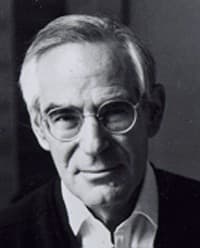
David Halberstam

David Halberstam was an American writer, journalist, and historian, known for his work on the Vietnam War, politics, history, the Civil Rights Movement, business, media, American culture, Korean War, and later, sports journalism. He won a Pulitzer Prize for International Reporting in 1964. Halberstam was killed in a car crash in 2007, while doing research for a book.