“The Castle hill was hidden, veiled in mist and darkness, nor was there even a glimmer of light to show that a castle was there.”
— Opening lines describing K.'s first view of the castle.

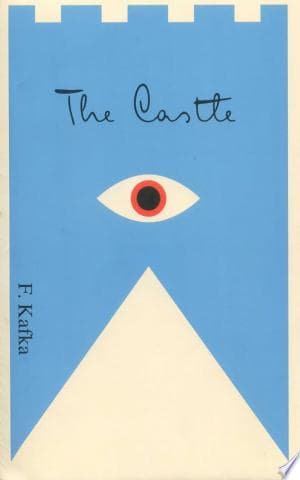
Franz Kafka (2019)
Genre
Philosophy
Reading Time
Given the book's length and dense themes, allocate significant time, likely 10-15 hours for a thorough read.
Key Themes
See below
Sign in to track this book
An uninvited land surveyor seeks acceptance in a distant castle, navigating maddening bureaucracy and elusive authority, and uncovering the absurd truth of human existence.
“The Castle hill was hidden, veiled in mist and darkness, nor was there even a glimmer of light to show that a castle was there.”
— Opening lines describing K.'s first view of the castle.
“It is not necessary to accept everything as true, one must only accept it as necessary.”
— A remark by the priest in the cathedral parable.
“The official world is vast, and who can survey it all?”
— Reflection on the impenetrable bureaucracy of the castle.
“One must fight against the feeling that one is being watched.”
— K.'s internal thought about his paranoia in the village.
“The right understanding of any matter and a misunderstanding of the same matter do not wholly exclude each other.”
— A philosophical observation about interpretation and truth.
“I am not a village man, nor am I a castle man, I am something in between, a thing of no account.”
— K. reflecting on his ambiguous status and identity.
“The castle has granted you the right to settle here, but not the right to stay.”
— A bureaucratic contradiction explained to K.
“Do not be too hasty, do not lose yourself in the vastness.”
— Advice given to K. about navigating the castle's systems.
“There are no accidental meetings in the castle.”
— A villager's remark about the predetermined nature of events.
“The world is full of enigmas, but the castle is the greatest enigma of all.”
— A villager's musing on the incomprehensibility of authority.
“One must not confuse the messenger with the message.”
— A caution about interpreting bureaucratic communications.
“In the castle, it is not the law that matters, but the interpretation of the law.”
— An insight into the arbitrary nature of castle governance.
“The longer one waits, the less one understands.”
— K.'s realization about the futility of seeking clarity from the castle.
“To be admitted is not to be accepted.”
— A subtle distinction in K.'s ongoing struggle for recognition.
Ready to see how well you understood this book? Take our interactive quiz with 10 questions.
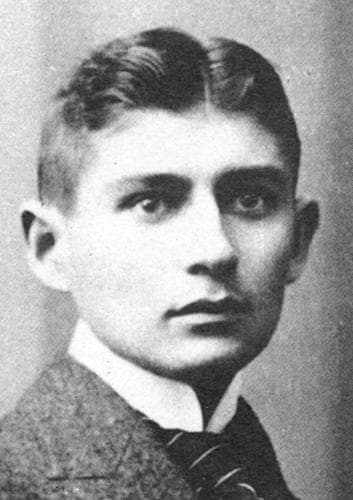
Franz Kafka was a German-speaking Bohemian novelist and short-story writer based in Prague, who is widely regarded as one of the major figures of 20th-century literature. His work fuses elements of realism and the fantastic. It typically features isolated protagonists facing bizarre or surrealistic predicaments and incomprehensible socio-bureaucratic powers. It has been interpreted as exploring themes of alienation, existential anxiety, guilt, and absurdity. His best known works include the novella The Metamorphosis and novels The Trial and The Castle. The term Kafkaesque has entered English to describe absurd situations like those depicted in his writing.

Jeff Olson
4.4
Thomas Sowell
4.4
Walter Brueggemann
4.3

Rhonda Byrne
4.3

Robin Wall Kimmerer
4.3
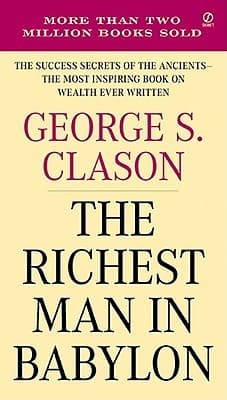
George S. Clason
4.3
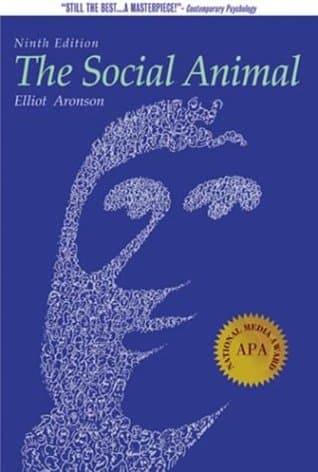
Elliot Aronson
4.3

Joseph Campbell
4.3