BookBrief
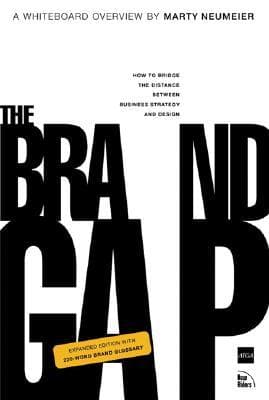
The Brand Gap cover
Archivist's Choice

The Brand Gap

Marty Neumeier (2003)

Genre

Business / Entrepreneurship / Reference / Creativity

Reading Time

90 min

Key Themes

See below

Track Your Reading

Sign in to track this book

Marty Neumeier explains how branding connects business strategy with good design to create brands that customers remember.

Core Idea

The Brand Gap says that branding is more than just a logo or ad campaign. It is about closing the gap between a company's strategy and its customer's experience. A strong brand is what a customer feels about a product, service, or company. This feeling comes from five areas: differentiate, collaborate, innovate, validate, and cultivate. The book suggests that good branding is an ongoing, strategic process that turns a product into something alive in the customer's mind, leading to preference and loyalty.
Reading time
90 min
Difficulty
Easy
✓ Read this if...
You are a business owner, marketer, designer, or entrepreneur looking for a concise, practical guide to understanding and building strong brands beyond just visual identity.
✗ Skip this if...
You are seeking a deep academic dive into brand theory or a lengthy, detailed step-by-step implementation guide for complex branding projects.

Core idea

The central argument and framework that powers the entire book.

The Brand Gap says that branding is more than just a logo or ad campaign. It is about closing the gap between a company's strategy and its customer's experience. A strong brand is what a customer feels about a product, service, or company. This feeling comes from five areas: differentiate, collaborate, innovate, validate, and cultivate. The book suggests that good branding is an ongoing, strategic process that turns a product into something alive in the customer's mind, leading to preference and loyalty.

At a glance

Reading time

90 min

Difficulty

Easy

Read this if...

You are a business owner, marketer, designer, or entrepreneur looking for a concise, practical guide to understanding and building strong brands beyond just visual identity.

Skip this if...

You are seeking a deep academic dive into brand theory or a lengthy, detailed step-by-step implementation guide for complex branding projects.

Key Takeaways

1

Beyond the Logo: Branding as a Gap Closer

Branding isn't just a visual identity; it's a strategic bridge between business strategy and customer experience.

Quote

A brand is a person's gut feeling about a product, service, or organization.

Neumeier redefines branding, moving it beyond just marketing or design. He says a brand is not what you say it is, but what customers say it is. This 'gut feeling' comes from every interaction and perception. The 'brand gap' is the space between a company's plan and the customer's actual experience and view. Good branding works to close this gap by making sure every customer touchpoint, from product design to service, always supports a clear, unique promise. It is a company-wide effort, not just one department's job, and needs all...

Supporting evidence

Neumeier's core thesis is built on this definition, which he illustrates through the distinction between 'branding' (the company's effort) and 'brand' (the customer's perception). He uses the example of FedEx, where the brand isn't just the logo but the feeling of reliable, fast delivery.

Apply this

Conduct an internal audit to identify current gaps between your stated business strategy and actual customer feedback/perceptions. Map all customer touchpoints and evaluate their consistency in delivering the desired brand experience. Prioritize closing the most significant gaps first.

brand-gapbrand-perceptioncustomer-experience
2

Differentiation is Survival

In a crowded market, standing out isn't a luxury; it's the fundamental requirement for brand success and sustained relevance.

Quote

Your brand is the only thing that will make you special.

Neumeier says that being truly different means more than just having special features or low prices. It means having a unique place in the customer's mind, making your product or service distinct and hard to replace. This means finding what makes your business truly different and wanted, then showing that difference consistently in all brand messages. Without a clear difference, a brand might become a common item, forced to compete only on price, which often leads to lower profits. The goal is to create a 'monopoly of the mind,' where...

Supporting evidence

Neumeier frequently references examples like Apple, which differentiates through design and user experience, or Southwest Airlines, which differentiates through low-cost, no-frills travel with a fun attitude. He contrasts these with 'me-too' brands that struggle to gain traction.

Apply this

Define your 'one thing'—the single most compelling differentiator that your brand owns. Articulate this clearly and ensure all marketing, product development, and customer service efforts reinforce this unique selling proposition. Regularly test if customers perceive this difference.

differentiationunique-selling-propositionbrand-positioning
3

The Five Disciplines of Branding

Branding is a systematic process, not a one-off event, requiring continuous application of five core strategic disciplines.

Quote

The Five Disciplines of Branding: Differentiate, Collaborate, Innovate, Validate, Cultivate.

Neumeier simplifies branding into five steps, which work as a continuous cycle. 'Differentiate' means finding your unique selling point. 'Collaborate' means working with different departments and outside partners to build the brand. 'Innovate' means always improving and having new ideas to stay current. 'Validate' means testing brand ideas with real customers to make sure they connect. Finally, 'Cultivate' means taking care of the brand over time, adjusting to changes, and always delivering on its promise. This system turns branding f...

Supporting evidence

This framework is central to the book, serving as a guiding structure. Neumeier provides mini-case studies or examples for each discipline, such as how Procter & Gamble uses validation extensively for new product launches.

Apply this

Implement the Five Disciplines as a recurring strategic cycle. For example, monthly meetings dedicated to 'Innovate' new brand experiences, followed by 'Validate' through customer surveys, and then 'Cultivate' by refining brand guidelines based on feedback.

brand-strategybrand-managementinnovation
4

Naming: The Ultimate Brand Asset

A great name is a brand's most powerful and enduring asset, serving as its primary identifier and a key differentiator.

Quote

A great name is a brand's most valuable asset. It's the first thing people think of, and the last thing they forget.

Neumeier spends time on how to name things, saying that a strong name is more than just a label—it is a powerful marketing tool. He lists what makes a good name: it should be unique, easy to remember, fitting, simple to say and spell, and legally protectable. A bad name can make it hard for people to recognize the brand, cause confusion, and require a lot of money in marketing to fix its problems. On the other hand, a good name can quickly show personality, benefit, or product type, becoming a quick way to refer to the brand's whole p...

Supporting evidence

Neumeier contrasts successful names like 'Google' (distinctive, memorable) with generic or overly descriptive names that fail to stand out. He also discusses the challenges of securing good domain names and trademarks in a crowded digital landscape.

Apply this

When naming a new product or company, prioritize distinctiveness and memorability over literal description. Generate a diverse list of potential names, then rigorously test them for pronunciation, spelling, global connotations, and legal availability before making a final decision.

brand-namingtrademarkbrand-identity
5

The Power of Archetypes and Narratives

Brands resonate deeply when they tap into universal human stories and archetypal patterns.

Quote

A brand is a story continually told.

Neumeier suggests that successful brands do not just sell products; they sell stories, experiences, and identities. By using common story types (like the Hero or the Sage), brands can create strong emotional responses and deeper connections with their audience. This way of telling stories makes a brand more relatable, memorable, and lasting. It goes beyond practical benefits to address hopes and feelings, helping customers see themselves in the brand's story. This emotional connection helps build loyalty and support, turning customers...

Supporting evidence

While not explicitly detailing Jungian archetypes, Neumeier's emphasis on 'gut feeling' and 'identity' aligns with this concept. He might use examples like Nike's 'Just Do It' (Hero archetype) or Disney's focus on magic and wonder (Innocent/Magician archetypes) to illustrate brands that tell compelling stories.

Apply this

Identify the core narrative or archetype that best represents your brand's purpose and values. Weave this story consistently into your messaging, visual identity, and customer interactions to create a more emotionally resonant brand experience.

brand-storytellingbrand-archetypesemotional-branding
6

Design as Strategic Expression

Brand design is not mere aesthetics; it's the visual and experiential articulation of the brand strategy.

Quote

Design is strategy made visible.

Neumeier says design is a key part of branding, making it a strategic necessity, not just a style choice. He argues that every visual element—logo, fonts, colors, website layout, packaging—must help communicate and strengthen the brand's main message and unique qualities. Good design is useful, easy to understand, and expressive, turning abstract brand values into real, sensory experiences. Bad design, however, can cause confusion, reduce trust, and weaken how the brand is seen. This means designers should be involved early in the pla...

Supporting evidence

Neumeier would likely point to Apple as the quintessential example, where industrial design and user interface design are integral to the brand's identity of simplicity, elegance, and innovation. He also discusses how consistent use of a visual system, like IBM's, builds recognition.

Apply this

Involve designers at the initial stages of brand strategy development. Ensure that all design choices are directly tied to specific brand attributes and objectives, rather than being purely subjective. Develop a comprehensive brand style guide that ensures consistency across all touchpoints.

brand-designvisual-identitydesign-thinking
7

Brands are Built from the Inside Out

Employee understanding and embodiment of the brand are foundational to delivering a consistent external experience.

Quote

Your employees are your first customers.

A key, often missed, part of branding is internal agreement. Neumeier suggests that a brand's promise can only be consistently delivered if every employee, from the CEO to frontline staff, understands and believes in it. Employees are the main brand representatives, and their interactions with customers directly shape the brand experience. If the company culture does not match the brand's values, or if employees are not able to deliver on the brand promise, the 'brand gap' grows. Therefore, successful branding needs clear internal com...

Supporting evidence

While not a direct quote, Neumeier's emphasis on 'collaboration' within the Five Disciplines implicitly supports this. He might use examples of companies known for strong internal cultures, like Zappos, where customer service excellence stems from deeply ingrained employee values.

Apply this

Develop a clear internal brand manifesto and provide regular training to ensure all employees understand the brand's purpose, values, and how their role contributes to the brand promise. Empower employees to make decisions that align with brand values.

internal-brandingbrand-cultureemployee-engagement
8

The Brand Brief: Your Strategic Compass

A concise brand brief is essential for aligning all stakeholders and guiding consistent brand execution.

Quote

The Brand Brief is the single most important document in the branding process.

Neumeier supports the brand brief as the basic document for any branding effort. He stresses that it must be short, clear, and focused, outlining the brand's purpose, position, target audience, unique qualities, and desired customer perception. This brief acts as a guide, making sure everyone involved—from designers and marketers to product developers and sales teams—is working towards a shared goal. Without a well-written brief, efforts can become scattered, inconsistent, and off-message, leading to a weaker brand and wasted money. I...

Supporting evidence

Neumeier provides a template for a concise brand brief, often suggesting it should fit on a single page. He argues against lengthy, bureaucratic documents, advocating for clarity and focus.

Apply this

Before starting any major brand initiative, create a concise, one-page brand brief. Ensure all key stakeholders review and approve it. Refer back to this brief regularly to guide decisions and maintain consistency.

brand-briefstrategic-alignmentbrand-guidelines
9

Brands Live in the Mind, Not the Market

A brand's true value resides in the customer's perception and mental associations, making mindshare the ultimate goal.

Quote

A brand isn't what you say it is. It's what they say it is.

This central idea supports Neumeier's whole way of thinking. He argues that while market share measures sales, mindshare measures influence and preference. A strong brand holds a unique and valuable place in the customer's mind, creating a 'monopoly of the mind.' This mental space is earned by always delivering on a compelling promise, being truly different, and providing memorable experiences. It means branding is about shaping perceptions and building connections, rather than just selling features. The ultimate goal is to become the...

Supporting evidence

Neumeier constantly reiterates this definition of a brand. He might use the example of Kleenex, which has become synonymous with facial tissue, demonstrating its powerful mindshare.

Apply this

Regularly survey your target audience to understand their perceptions of your brand versus competitors. Focus marketing efforts on building strong, positive mental associations that differentiate your brand and make it top-of-mind for specific needs.

mindsharebrand-associationcustomer-perception
10

Brand is a Verb: It's Continuous Action

Branding is an ongoing, dynamic process of creating, maintaining, and evolving, not a static state.

Quote

Branding is not a department. It's a discipline. It's not a product. It's a process.

Neumeier strongly suggests thinking of 'brand' as an action, showing it is an active, continuous process rather than a finished product or a one-time project. Brands are living things that must be constantly cared for, adjusted, and improved in response to market changes, new technologies, and changing customer needs. This active view challenges the old idea of branding as just designing a logo and a slogan. Instead, it requires ongoing attention, new ideas, and strategic adjustments across all parts of the business. The 'brand gap' i...

Supporting evidence

The Five Disciplines framework itself implies this continuous action. Neumeier discusses how even established brands like Coca-Cola or Nike must continually 'rebrand' or evolve their messaging to stay relevant to new generations.

Apply this

Integrate branding activities into your company's regular operational rhythm, rather than treating them as isolated campaigns. Establish a dedicated team or individual responsible for ongoing brand stewardship and adaptation.

brand-evolutionbrand-stewardshipcontinuous-improvement

Critical analysis

Notable Quotes

A brand is not a logo. A brand is not an identity. A brand is not a product. A brand is a person's gut feeling about a product, service, or organization.

Defining what a brand truly is, emphasizing its subjective and emotional nature.

Your brand isn't what you say it is. It's what *they* say it is.

Highlighting the importance of customer perception over internal messaging in brand building.

The only way to win the battle for attention is to be more interesting.

Discussing strategies for standing out in a crowded marketplace.

The brand gap is the gap between strategy and creativity.

Introducing the central concept of the book, the disconnect between business objectives and creative execution.

First, you need to understand what you're selling. Second, you need to understand who you're selling it to. Third, you need to understand why they should buy it from you.

Outlining the fundamental questions a business must answer for effective branding.

You can't build a brand on a lie.

Emphasizing the necessity of authenticity and truthfulness in brand promises.

Clarity is the key to effective branding.

Stressing the importance of clear communication in all brand messaging.

A brand is a promise. A good brand is a promise kept.

Defining a brand in terms of commitment and delivery on expectations.

Focus is the most important element of any good brand strategy.

Advocating for narrowing down a brand's offerings and target for greater impact.

The goal of a brand is to turn customers into fans.

Describing the ultimate aspiration of successful branding: creating loyal advocates.

People don't buy what you do; they buy why you do it.

Echoing Simon Sinek's 'Start with Why' principle, focusing on purpose over product.

The most important asset a company has is its reputation.

Underscoring the long-term value and fragility of a brand's standing.

A brand is the result of a great strategy, a great story, and a great design.

Summarizing the key components necessary for a strong brand.

If you want to be heard, you have to say something worth hearing.

Emphasizing the need for compelling and relevant brand messages.

Quiz

Test Your Knowledge

Ready to see how well you understood this book? Take our interactive quiz with 10 questions.

10
Questions
~5
Minutes
?
Best Score

Key Questions (FAQ)

'The Brand Gap' introduces the idea that a successful brand bridges the gap between customer perception and company vision. It emphasizes aligning how a company sees itself with how its audience actually perceives it, advocating for a holistic approach to branding.

About the author