BookBrief
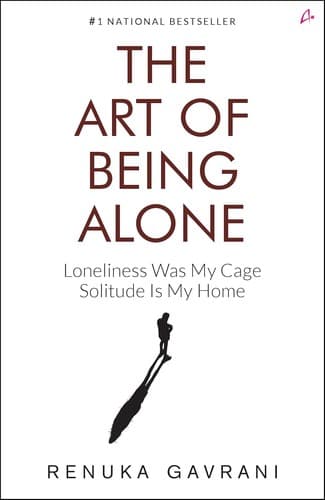
The Art of Being Alone cover
Archivist's Choice

The Art of Being Alone

Renuka Gavrani (2023)

Genre

General

Reading Time

12 Minutes

Key Themes

See below

Track Your Reading

Sign in to track this book

Core Idea

Renuka Gavrani's "The Art of Being Alone" challenges the pervasive societal notion that solitude equates to loneliness or a lack of fulfillment. Instead, the book champions the deliberate cultivation of alone time as a powerful tool for self-discovery, personal growth, and enhanced well-being. Gavrani argues that by embracing and mastering the art of solitude, individuals can develop a stronger sense of self, foster creativity, improve decision-making, and ultimately enrich their relationships with others by first building a robust relationship with themselves. The central thesis posits that true independence and inner peace are not found in constant external validation or social engagement, but rather in the ability to comfortably and productively exist within one's own company. The book provides practical insights and philosophical reflections on how to transform solitude from a feared state into a cherished practice, enabling readers to unlock the profound benefits of introspection and self-reliance.
Difficulty
Easy

Core idea

The central argument and framework that powers the entire book.

Renuka Gavrani's "The Art of Being Alone" challenges the pervasive societal notion that solitude equates to loneliness or a lack of fulfillment. Instead, the book champions the deliberate cultivation of alone time as a powerful tool for self-discovery, personal growth, and enhanced well-being. Gavrani argues that by embracing and mastering the art of solitude, individuals can develop a stronger sense of self, foster creativity, improve decision-making, and ultimately enrich their relationships with others by first building a robust relationship with themselves.

The central thesis posits that true independence and inner peace are not found in constant external validation or social engagement, but rather in the ability to comfortably and productively exist within one's own company. The book provides practical insights and philosophical reflections on how to transform solitude from a feared state into a cherished practice, enabling readers to unlock the profound benefits of introspection and self-reliance.

At a glance

Difficulty

Easy

Key Takeaways

1

Loneliness vs. Aloneness: A Critical Distinction

The book challenges the pervasive societal conflation of solitude with social isolation.

Quote

It's a complete myth that being alone means being lonely. Being alone doesn't mean you are lonely. Being alone means you are with yourself.

Gavrani's main idea challenges a common belief: that being alone means being lonely. She argues this idea stops people from seeing the good parts of solitude. Loneliness, she suggests, is a feeling of missing connection, even when others are around. Being alone, however, is simply being by oneself, which can be neutral, good, or even exciting. This difference helps us see ourselves differently and opens the door to self-discovery and growth. The book aims to teach readers about these two experiences, encouraging them to embrace being ...

Supporting evidence

The author's foundational argument, presented in the opening statements, serves as the book's guiding principle.

Apply this

Actively differentiate between feelings of loneliness (which might require seeking connection) and opportunities for aloneness (which can be leveraged for personal development). Journaling about these experiences can help clarify the distinction.


2

The Irony of External Validation Seeking

We often neglect our inner selves in pursuit of an 'imaginary person' or external approval.

Quote

It's ironic how we waste our entire lives waiting for an imaginary person while ignoring our own souls just to realize that 'the only person missing from your side was you.'

This idea points to a common habit in society: always looking for company or approval from others, often ignoring our own inner connection. Gavrani calls this pursuit ironic, saying we spend too much energy on an ideal partner or others' approval, while our own 'souls' are ignored. Realizing that 'the only person missing from your side was you' is presented as a key moment of self-discovery, a call to focus inward. This is not against relationships, but for self-reliance as a necessary step for healthy relationships and for reaching o...

Supporting evidence

The author's reflective observation on how individuals often 'waste our entire lives waiting for an imaginary person.'

Apply this

Conduct a 'self-audit' of where your time and emotional energy are primarily directed. Are you investing more in external relationships or in nurturing your own well-being and goals? Prioritize 'dating yourself' activities.

3

Aloneness as a Catalyst for Dream Building

Solitude provides the fertile ground necessary for achieving goals and realizing aspirations.

Quote

And it's even more amazing when you use your alone time to build your dream life, achieve your goals, and fall in love with yourself.

This is a strong point of the book, changing how we see alone time from empty waiting to a real chance. Gavrani says solitude is not just something to get through, but a powerful tool. It offers a space free from outside noise and social pressure, allowing for deep thought, focused work, and creative ideas. This good part of being alone helps us plan and work hard to 'build your dream life' and 'achieve your goals.' It means that real progress often requires stepping back from constant social demands, showing how productive self-impos...

Supporting evidence

The author explicitly states the positive outcomes of using alone time: 'build your dream life, achieve your goals, and fall in love with yourself.'

Apply this

Schedule dedicated 'alone time' slots in your calendar specifically for working on personal projects, learning new skills, or strategizing for your future. Treat these sessions with the same importance as other appointments.

4

The Journey of Becoming 'Cool with Being Alone'

Embracing solitude is a learned skill and an intentional process, not an innate state.

Quote

And through my book. I want to take you on the journey of being cool with being alone. I know it's tough to be lonely. But I promise, it's fun to be alone.

Gavrani knows that many people find it hard to embrace solitude, especially after years of thinking alone means lonely. She calls the process a 'journey,' suggesting that comfort with solitude is a skill to develop, not something that happens instantly. The author's promise that 'it's fun to be alone' is a bold claim, meant to make a potentially scary idea sound like an appealing adventure. This means the book will offer practical advice and a new way of thinking, helping readers move from worry or discomfort to enjoyment and strength...

Supporting evidence

The author's explicit intention: 'I want to take you on the journey of being cool with being alone.'

Apply this

Start with small, manageable periods of alone time, gradually increasing the duration as you become more comfortable. Engage in activities you genuinely enjoy during these times to build positive associations.

5

Self-Love as the Ultimate Outcome of Solitude

Meaningful alone time fosters a deeper, more profound love for oneself.

Quote

And it's even more amazing when you use your alone time to build your dream life, achieve your goals, and fall in love with yourself.

Beyond reaching outside goals, Gavrani believes the best reward of embracing solitude is 'falling in love with yourself.' This suggests that alone time is not just for being productive, but for building a rich inner life and strong self-worth. When distractions are gone and focus turns inward, people can understand who they truly are, value their strengths, and work on their weaknesses without judgment. This self-love is not selfish; it is a basic part of a healthy, fulfilling life, affecting all other relationships and efforts. It co...

Supporting evidence

The final outcome listed by the author for leveraging alone time is to 'fall in love with yourself.'

Apply this

During your alone time, practice self-compassion, mindfulness, and self-reflection. Write down what you appreciate about yourself, your accomplishments, and your unique qualities. Treat yourself with kindness.

6

Challenging Societal Narratives Around Aloneness

The book implicitly critiques a culture that often pathologizes or pities those who choose solitude.

Quote

It's a complete myth that being alone means being lonely.

Gavrani's repeated claim that 'it's a complete myth that being alone means being lonely' directly challenges common social rules and expectations. Many cultures, especially Western ones, value constant social interaction and view solitude with suspicion, often linking it to sadness, awkwardness, or having no friends. The book aims to break down these negative ideas, suggesting they are wrong and bad for individual well-being. By showing being alone as a positive, empowering choice, Gavrani encourages readers to ignore outside pressure...

Supporting evidence

The strong declarative statement that the conflation of aloneness and loneliness is a 'complete myth.'

Apply this

Be mindful of internalizing societal judgments about being alone. Practice explaining your choice to enjoy solitude to others in a positive, confident way, or simply enjoy it without explanation.

7

The Active Choice of 'Being With Yourself'

Aloneness is presented not as an absence of others, but as a deliberate presence with oneself.

Quote

Being alone means you are with yourself.

This simple but important statement redefines being alone. It goes beyond just not having others around to an active, intentional state. 'Being with yourself' means conscious engagement, self-awareness, and inner conversation. It is not about escaping the world, but about fully living in one's own inner world. This view changes what might seem like an empty state into a rich, meaningful experience. It encourages readers to see themselves as their own best company, able to provide intellectual stimulation, emotional comfort, and person...

Supporting evidence

The definitive statement: 'Being alone means you are with yourself.'

Apply this

When you find yourself alone, consciously engage in self-dialogue. Ask yourself questions, reflect on your day, or simply sit in mindful awareness of your own thoughts and feelings, treating yourself as a valued companion.

8

The Promise of Fun in Solitude

The book aims to make the experience of being alone enjoyable and engaging.

Quote

I know it's tough to be lonely. But I promise, it's fun to be alone.

Gavrani's bold promise that 'it's fun to be alone' is a strong draw, meant to overcome deeply held negative ideas. This is not just about putting up with solitude, but actively finding joy and fulfillment in it. The book implies it will guide readers toward this 'fun' side, suggesting that with the right mindset and practices, alone time can be a source of pleasure, creativity, and personal satisfaction. This promise directly contrasts with the hardship of loneliness, presenting being alone as a better, more empowering choice. It sets...

Supporting evidence

The direct promise made by the author: 'I promise, it's fun to be alone.'

Apply this

Identify activities you genuinely enjoy but rarely make time for. Dedicate your alone time to these pursuits, whether it's reading, painting, listening to music, or simply relaxing without interruption.

9

Beyond Escapism: Productive Aloneness

Aloneness is presented as a period for constructive self-development, not just passive retreat.

Quote

And it's even more amazing when you use your alone time to build your dream life, achieve your goals, and fall in love with yourself.

While solitude can offer peace, Gavrani stresses its productive side. The book encourages 'using' alone time actively and strategically, turning it from just downtime into a powerful tool for personal progress. This is not about aimless thinking but about focused effort toward 'building your dream life' and 'achieving your goals.' This view sets the book apart from approaches that might just suggest tolerating solitude. Instead, it frames being alone as a time for focused work, skill building, creative output, and deep self-improvemen...

Supporting evidence

The phrase 'use your alone time to build your dream life, achieve your goals.'

Apply this

Before entering a period of solitude, set a clear intention or goal for what you want to achieve or reflect upon during that time. Treat it as a strategic session for personal or professional development.

10

The 'You' That Was Missing

The ultimate realization is that the most crucial relationship is with oneself.

Quote

the only person missing from your side was you.

This touching statement captures the book's main idea: the powerful realization that often, the emptiness we feel or the person we constantly seek, is actually our own neglected self. Gavrani argues that this self-awareness changes everything, shifting focus from wanting things outside to finding fulfillment inside. It means a journey back to oneself, recognizing and valuing one's own presence, thoughts, and feelings. This idea is not about isolation but about being complete within oneself, suggesting that once this inner connection i...

Supporting evidence

The powerful concluding phrase of the introductory passage: 'the only person missing from your side was you.'

Apply this

Engage in practices that strengthen your connection with yourself, such as daily check-ins, mindful meditation, or writing a letter to your past or future self. Acknowledge and honor your own presence.

Critical analysis

Notable Quotes

Quiz

Test Your Knowledge

Ready to see how well you understood this book? Take our interactive quiz with 10 questions.

10
Questions
~5
Minutes
?
Best Score

Key Questions (FAQ)

The book's central theme is that being alone does not equate to being lonely. It emphasizes the importance of being comfortable with oneself and using solitude as an opportunity for self-discovery, personal growth, and building a fulfilling life.

About the author