Beyond Chronology and 'Isms'
Art's true impact transcends rigid historical categorization.
Quote
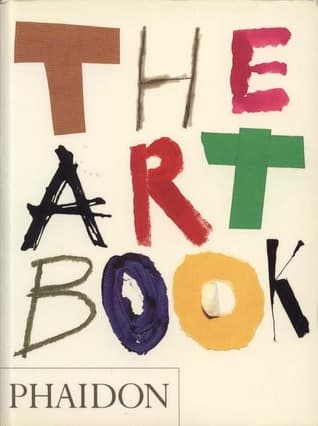
The Art Book debunks art historical classifications by throwing together brilliant examples of all periods, schools, visions and techniques.
The traditional art history approach, often arranged by time or by art movement (Impressionism, Cubism, etc.), can create barriers and hide the common ideas in human creativity. By presenting artists in an A-Z format, 'The Art Book' suggests a more open appreciation of art, where a medieval master can be next to a contemporary one without historical bias. This makes the reader look at art for its visual power, emotional impact, and technical skill, rather than through the lens of a specific movement or time. It suggests that the conve...
Supporting evidence
The book's entire structure, an A-Z listing of artists from medieval to modern times, directly challenges the conventional chronological or movement-based organization found in many art history texts. For example, placing an artist like Jan van Eyck (early Northern Renaissance) near Vincent van Gogh (Post-Impressionism) due to alphabetical order, rather than historical sequence.
Apply this
When encountering new art, actively resist the urge to immediately categorize it by period or style. Instead, focus first on your direct visual and emotional response. Ask: What is the artist trying to communicate? How is it made? What does it make me feel? Only after this initial engagement should historical context be considered, allowing for a more authentic and less prejudiced interaction with the artwork.