The Simulation Gap
Our imagination is a poor predictor of future happiness.
Quote
The greatest achievement of the human brain is its ability to imagine objects and episodes that do not exist in the realm of reality.
People can imagine future experiences, but this mental simulation is often wrong. We frequently forget how our present emotional state, knowledge, and situation will differ from our future selves. This 'simulation gap' causes us to misjudge how we will feel when future events happen. We tend to fill in missing information with what we know now, projecting our current desires and feelings onto a future self who may have different priorities. This bias means our imagined futures are often more vivid but less accurate than we believe, le...
Supporting evidence
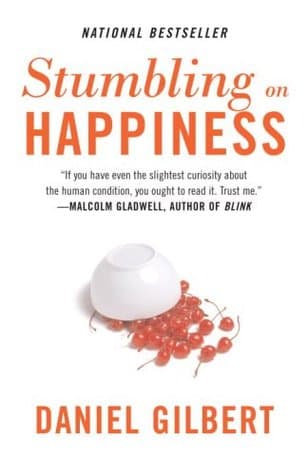
Gilbert discusses how people consistently overestimate the impact of major life events (like winning the lottery or becoming paralyzed) on their long-term happiness, a phenomenon known as the 'impact bias.' They fail to predict their own psychological immune system's ability to adapt.
Apply this
When making significant life decisions, actively consider how your perspective and values might shift over time. Don't rely solely on your immediate emotional projection; instead, seek out 'surrogates' – people who have experienced similar futures – to gain more accurate insights into future satisfaction.