BookBrief
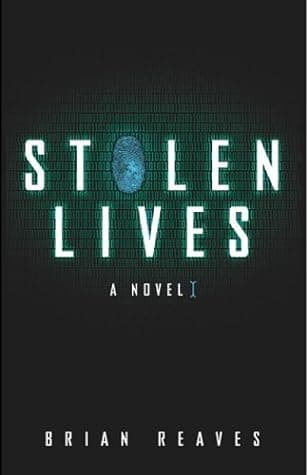
Stolen Lives cover
Archivist's Choice

Stolen Lives

Brian Reaves (2006)

Genre

General

Reading Time

6-7 hours

Key Themes

See below

Track Your Reading

Sign in to track this book

Grief-stricken and fueled by a rigged accident, Robert Whitney meticulously dismantles the lives of those he holds responsible, only to find his calculated revenge met with an unexpected fight for survival.

Core Idea

Stolen Lives examines how a single act of deceit, meant for protection or gain, can spread through individual lives and an entire community. The book shows how such a deception erodes trust, reshapes identities, and leads to a cascade of unforeseen consequences, turning victims into perpetrators and blurring the lines of justice. It illustrates how the pursuit of vengeance, fueled by stolen truths, ultimately consumes everyone involved, revealing how human connections can be shattered by betrayal.
Reading time
6-7 hours
Difficulty
Medium
✓ Read this if...
You are interested in the psychological and societal repercussions of profound deceit, the complex interplay of grief and vengeance, and narratives exploring moral ambiguity and the search for justice in its most elusive forms.
✗ Skip this if...
You prefer light-hearted or purely inspirational reads, or if you are uncomfortable with deeply exploring themes of human suffering, corruption, and the darker aspects of human nature.

Core idea

The central argument and framework that powers the entire book.

Stolen Lives examines how a single act of deceit, meant for protection or gain, can spread through individual lives and an entire community. The book shows how such a deception erodes trust, reshapes identities, and leads to a cascade of unforeseen consequences, turning victims into perpetrators and blurring the lines of justice. It illustrates how the pursuit of vengeance, fueled by stolen truths, ultimately consumes everyone involved, revealing how human connections can be shattered by betrayal.

At a glance

Reading time

6-7 hours

Difficulty

Medium

Read this if...

You are interested in the psychological and societal repercussions of profound deceit, the complex interplay of grief and vengeance, and narratives exploring moral ambiguity and the search for justice in its most elusive forms.

Skip this if...

You prefer light-hearted or purely inspirational reads, or if you are uncomfortable with deeply exploring themes of human suffering, corruption, and the darker aspects of human nature.

Key Takeaways

1

Grief's Dark Transformation

Unprocessed loss can morph into a relentless drive for retribution, blinding individuals to moral boundaries.

Quote

Fueled by his loss and driven by the pain of injustice, Robert is determined to destroy the lives of those involved by stealing the identities of the trucker, his company, and the witness.

The novel shows how the shock and trauma of losing loved ones, especially under perceived unjust circumstances, can change a person's character. Robert Whitney, initially a grieving widower, becomes a meticulous, vengeful operator. His grief is not passive sorrow; it is an active, destructive force, motivating his elaborate schemes of identity theft and financial ruin. This transformation highlights the psychological danger of unaddressed trauma, showing how the mind, seeking an outlet for overwhelming pain, can rationalize extreme ac...

Supporting evidence

Robert's immediate shift from mourning to plotting after the 'accident' is deemed an accident due to a clever insurance scheme and a tainted witness. His meticulous planning and execution of identity theft against the trucker, his company, and the witness serve as direct evidence.

Apply this

Recognize the signs of prolonged grief and seek support before it consumes you. If you witness someone struggling with immense loss, encourage professional help or a healthy outlet for their pain. Understand that 'justice' pursued through unethical means often creates more victims.


grief-psychologyrevenge-cycleidentity-theft
2

The Corrupting Influence of Deceit

Even seemingly minor deceptions, when combined, can form a powerful, destructive force that unravels lives.

Quote

With the help of a clever insurance scheme and a tainted witness, the wreck is called an accident.

The story carefully creates a situation where an 'insurance scheme' and a 'tainted witness' misrepresent a fatal car accident. This initial deceit, perhaps meant to reduce financial liability or protect reputations, starts a chain reaction of catastrophic events. The book argues that deception, even when seemingly contained or justified by those doing it, has a ripple effect. It creates injustice, fuels anger, and ultimately incites a desperate quest for revenge. The novel shows that truth, even painful truth, is essential, and hiding...

Supporting evidence

The initial misclassification of the accident due to the insurance scheme and tainted witness directly triggers Robert's quest for revenge, leading to the subsequent identity theft and financial ruin of those involved.

Apply this

Always prioritize truth and transparency, even when uncomfortable. Be wary of 'clever' solutions that skirt ethical lines, as their long-term consequences can be devastating. Advocate for integrity in all systems, especially legal and financial ones.

ethical-dilemmassystemic-corruptionconsequences-of-deceit
3

Identity as a Weapon

In the digital age, a person's identity can be weaponized to inflict profound and devastating harm.

Quote

Robert is determined to destroy the lives of those involved by stealing the identities of the trucker, his company, and the witness.

Reaves shows the terrifying vulnerability of modern identity. Robert Whitney avoids physical violence; instead, he uses a more insidious and equally destructive method: identity theft. By systematically dismantling the financial and personal lives of the trucker, his company, and the witness, Robert shows that a person's identity is not just data points, but the foundation of their existence, reputation, and livelihood. The book is a warning about the power of digital manipulation and how easily one can be stripped of financial securi...

Supporting evidence

Robert's elaborate schemes to steal and manipulate the identities of the involved parties, leading to their financial and reputational ruin, are central to the plot.

Apply this

Be vigilant about protecting your personal information online and offline. Regularly monitor credit reports and financial statements for suspicious activity. Understand the profound impact of identity theft and advocate for stronger data protection measures.

cybersecuritypersonal-data-protectiondigital-vulnerability
4

The Unintended Consequences of Vengeance

While seeking to destroy others, the avenger often becomes consumed and destroyed by their own actions.

Quote

Fueled by his loss and driven by the pain of injustice, Robert is determined to destroy the lives of those involved...

Robert's relentless pursuit of revenge, while initially appearing successful, takes a heavy toll on his own life and mind. The novel subtly suggests that planning and executing such destructive schemes requires a focus and emotional detachment that can isolate the avenger. His actions, though aimed outward, also boomerang inward, consuming his thoughts, time, and potentially his moral compass. The satisfaction from destroying others' lives is fleeting, often replaced by paranoia, stress, and a deeper sense of emptiness. The book impli...

Supporting evidence

The narrative focuses on Robert's intense dedication to his plans, implying the personal sacrifices and mental burden he undertakes, even before the trucker retaliates.

Apply this

Before embarking on a path of revenge, consider the long-term personal cost. Seek avenues for restorative justice or healthy emotional processing rather than destructive retaliation. Understand that vengeance rarely brings true satisfaction or healing.

psychology-of-revengemoral-decayself-destruction
5

Resilience in the Face of Ruin

Even after experiencing profound loss and systematic destruction, the human spirit can find the strength to fight back.

Quote

All goes well until the trucker decides it's time to fight back.

The novel takes a significant turn when the victimized trucker, having endured the systematic dismantling of his life, decides to retaliate. This moment is important, showing the resilience of the human spirit. Despite being stripped of his identity, livelihood, and reputation, the trucker refuses to remain a passive victim. His decision to 'fight back' is not about mirroring Robert's cruelty, but about reclaiming control and dignity. It shows that even when pushed to the brink, individuals can find inner strength and determination to...

Supporting evidence

The plot point where the trucker, after suffering extensive damage from Robert's actions, decides to actively resist and fight back, shifting the power dynamic.

Apply this

Even in the darkest moments, remember your capacity for resilience. Seek support and find ways to reclaim agency when victimized. Understand that giving up only ensures the aggressor's victory; fighting back, even in small ways, can make a difference.

human-resiliencevictim-empowermentcourage-under-adversity
6

The Intricacy of Moral Greys

The book blurs the lines between protagonist and antagonist, forcing readers to confront complex moral ambiguities.

Quote

Deceit, anger, revenge, and forgiveness are intricately woven into a fast-paced page-turner...

One of the novel's strengths is its refusal to paint characters in simple terms. Robert Whitney, while a perpetrator, is driven by unimaginable grief and a deep sense of injustice, making his motivations understandable, if not justifiable. Conversely, the initial 'victims' of the identity theft are involved in the original deceit that sparked Robert's rage. This intricate weaving of deceit, anger, revenge, and eventually forgiveness, forces the reader to constantly re-evaluate their sympathies. It challenges the idea of clear heroes a...

Supporting evidence

The initial setup of Robert as a grieving widower, contrasted with his subsequent criminal actions, and the complicity of the trucker/witness in the original 'accident' cover-up.

Apply this

Approach complex situations with an open mind, recognizing that motivations are often multi-layered. Avoid quick judgments and seek to understand the underlying causes of conflict. Practice empathy, even when disagreeing with actions.

moral-relativismcharacter-complexityethical-dilemmas
7

The Elusive Nature of Justice

True justice is often not found in retaliation, but in understanding, and sometimes, forgiveness.

Quote

Deceit, anger, revenge, and forginveness are intricately woven...

The central conflict of 'Stolen Lives' begins with a perceived injustice, leading Robert to seek 'justice' through destructive means. However, the story suggests that this path only perpetuates suffering rather than resolving it. The ultimate resolution, hinted at by the inclusion of 'forgiveness' as a key theme, implies that true justice might not be an eye for an eye, or even legal vindication, but a deeper, more profound form of emotional and psychological closure. Forgiveness, in this context, is not about condoning wrongdoings, b...

Supporting evidence

The thematic inclusion of 'forgiveness' alongside deceit, anger, and revenge suggests a narrative arc where it plays a critical role in the ultimate resolution or understanding.

Apply this

When faced with injustice, consider whether revenge truly serves your long-term well-being. Explore avenues for restorative justice or conflict resolution. Understand that forgiveness is a gift you give yourself, freeing you from the burden of anger.

restorative-justiceemotional-healingcycle-of-violence
8

The Domino Effect of a Single Lie

A single act of deception, no matter how small or well-intentioned, can trigger a cascade of unforeseen and devastating consequences.

Quote

With the help of a clever insurance scheme and a tainted witness, the wreck is called an accident.

The entire tragedy of 'Stolen Lives' rests on an initial lie – the misrepresentation of the car accident. This 'insurance scheme' is not an isolated incident but the fundamental cause of all subsequent events. The book compellingly illustrates the 'domino effect' where one lie requires another, leading to cover-ups, injustices, and ultimately, a spiraling cycle of revenge and destruction. It shows the fragility of truth and the immense power a single fabrication has to derail lives, shatter trust, and ignite a war between individuals ...

Supporting evidence

The entire plot hinges on the initial declaration of the accident as 'accidental' through fraudulent means, which directly sparks Robert's vengeful campaign.

Apply this

Always prioritize honesty in personal and professional dealings. Be aware that even small deceptions can have disproportionately large and negative repercussions. Foster environments where truth-telling is encouraged and valued.

truth-and-consequencesethical-decision-makingunintended-outcomes
9

The Power Dynamics of Victimhood

Victimhood can transform into a source of immense power, driving individuals to extraordinary, often destructive, lengths.

Quote

Fueled by his loss and driven by the pain of injustice, Robert is determined to destroy the lives of those involved...

Robert Whitney’s journey from a devastated widower to a meticulous identity thief shows how victimhood, when combined with a deep sense of injustice, can become a formidable, though morally ambiguous, source of power. He uses his pain and his perceived moral high ground to justify actions that would otherwise be unthinkable. This transformation highlights a dark psychological truth: profound suffering can empower individuals to break societal norms in their quest for equilibrium or retribution. The book explores the dangerous appeal o...

Supporting evidence

Robert's entire meticulously planned revenge plot stems directly from his initial status as a victim of loss and injustice, demonstrating how this victimhood fuels his destructive power.

Apply this

Recognize that intense emotional pain can be a powerful motivator, for both good and ill. If you or someone you know is a victim, seek healthy avenues for empowerment and healing, rather than allowing pain to fester into destructive actions. Understand the complex psychology of those who feel wronged.

psychology-of-victimhoodmoral-justificationpower-of-pain
10

The Interconnectedness of Lives

No individual's actions exist in a vacuum; every choice, especially a destructive one, creates a complex web of impact.

Quote

Deceit, anger, revenge, and forginveness are intricately woven into a fast-paced page-turner that every suspense fan will love.

The narrative of 'Stolen Lives' shows the deep interconnectedness of human lives. The initial 'insurance scheme' involving a 'tainted witness' directly impacts Robert Whitney. Robert's subsequent actions then devastate the lives of the trucker, his company, and the witness. The trucker's decision to fight back creates further ripple effects. This intricate weaving shows that even seemingly separate individuals are bound together by a complex web of choices and consequences. There is no isolated act; every decision, every deception, ev...

Supporting evidence

The entire plot demonstrates how the actions of the insurance scheme and witness affect Robert, whose actions then affect the trucker, his company, and the witness, creating a continuous chain of interconnected events.

Apply this

Consider the broader implications of your actions and decisions before making them. Recognize that your choices impact not only yourself but also those around you, often in unforeseen ways. Strive for choices that contribute positively to the collective well-being.

systems-thinkingsocial-responsibilitybutterfly-effect

Critical analysis

Notable Quotes

The past is a stubborn thing, always lurking, always ready to spring out and remind you of what you've lost.

Reflecting on the enduring impact of traumatic events.

Justice isn't about revenge; it's about balance. Restoring what was taken, as much as possible.

A character's philosophy on the purpose of seeking justice.

Sometimes the greatest strength isn't in fighting, but in enduring. In simply refusing to break.

Observing the resilience of a victim.

The silence was the loudest sound, filled with unspoken fears and unhealed wounds.

Describing the atmosphere in a room after a difficult confession.

Hope is a fragile thing, easily crushed, but even a tiny spark can light the darkest path.

Contemplating the importance of hope in dire circumstances.

The truth, when it finally emerged, was a bitter pill, but necessary for any chance of moving forward.

The revelation of a long-held secret.

We build walls to protect ourselves, but often, those same walls imprison us.

A character's internal struggle with emotional guardedness.

Every life stolen leaves an echo, a ripple effect that touches countless others.

Reflecting on the far-reaching consequences of violent crime.

Forgiveness isn't for the person who wronged you; it's for yourself, to release the burden.

A discussion about the personal journey of forgiveness.

The hardest battles are often fought within, against the demons we carry inside.

A character's internal conflict and struggle with their past.

Memory is a double-edged sword; it preserves what we cherish, but also what we wish to forget.

Considering the complex nature of human memory.

Even in the darkest corners, humanity finds a way to shine, if only a flicker.

Witnessing an act of kindness amidst despair.

To truly live again, one must first confront the ghosts of the past, no matter how terrifying.

A character's decision to face their trauma head-on.

The weight of unspoken words can be heavier than any physical burden.

A character regretting not expressing their feelings sooner.

Quiz

Test Your Knowledge

Ready to see how well you understood this book? Take our interactive quiz with 10 questions.

10
Questions
~5
Minutes
?
Best Score

Key Questions (FAQ)

'Stolen Lives' tells the story of Robert Whitney, who, after losing his wife and daughter in a car accident, discovers the wreck was orchestrated. Fueled by injustice, he embarks on a mission of revenge by stealing the identities of those he holds responsible.

About the author

Brian Reaves is a non-fiction author known for his investigative work. His book, 'Stolen Lives,' delves into complex social issues, showcasing his commitment to shedding light on overlooked narratives. Reaves' writing is characterized by meticulous research and a compelling storytelling approach.