“Every time I think I'm out, they pull me back in.”
— A recurring thought about the allure and inescapable nature of his past.

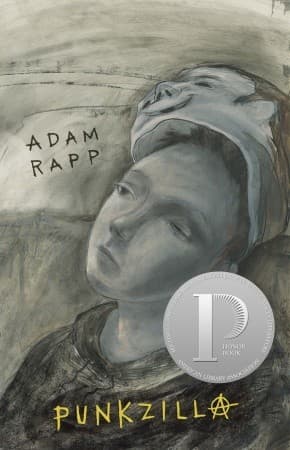
Adam Rapp (2009)
Genre
Lifestyle / Young Adult
Reading Time
240 min
Key Themes
See below
Sign in to track this book
A meth-addicted fourteen-year-old punk navigates a raw, cross-country odyssey of seedy motels and dangerous strangers, writing letters to his dying gay brother in Memphis, hoping to reach him before time runs out.
Fourteen-year-old Jamie, who now calls himself 'Punkzilla,' has just left a meth rehab facility in Portland, Oregon. His goal is to reach Memphis, Tennessee, to see his older brother, Peter, who is dying of AIDS-related cancer. He writes his first letter to Peter, detailing his plan to hitchhike and take buses across the country. He describes leaving Portland, the mix of freedom and apprehension, and his resolve to reach Peter before time runs out. He mentions his past life and his hope for a different future, driven by his love for his brother.
Punkzilla hitches a ride with a truck driver he calls 'Scary Guy.' This man is crude, makes uncomfortable advances, and seems to be a pedophile. Punkzilla endures the long, tense ride, constantly on edge, trying to avoid the man's questions and physical contact. He describes his fear and helplessness, showing his vulnerability as a young runaway. He eventually escapes the truck at a rest stop, relieved but shaken, which reinforces the dangers of his journey.
After escaping 'Scary Guy,' Punkzilla finds himself in a bus station, trying to plan his next move. There, he meets a very thin, pale girl who seems ill or haunted. He calls her 'Ghost Girl.' They share a brief, unsettling interaction, and he feels a strange connection to her, seeing a similar lost quality in her eyes. Her presence adds to the melancholic and transient atmosphere of his journey, reminding him of the many lost souls he encounters. He wonders about her story, but they soon part ways.
Punkzilla meets Ruby, a kind transsexual woman, who offers him a place to stay for a night. Ruby provides him with food, a warm bed, and a sense of safety he hasn't felt in a long time. She shares some of her life story and offers advice, treating him with genuine care and respect. This encounter is a turning point, showing Punkzilla that goodness and compassion still exist, despite the harsh realities he faces. Ruby's generosity offers a temporary break and a glimmer of hope.
On a bus ride, Punkzilla sits next to an old woman with a visibly infected, oozing eye. She is eccentric and talks to herself, occasionally directing strange comments toward him. He describes his discomfort and mild revulsion, but also a sense of pity for her. This encounter further shows the diverse and often bizarre characters he meets, each a snapshot of human struggle and oddity. It is another reminder of the often-unpleasant realities of public travel and the lives of those on the fringes.
As Punkzilla gets closer to Memphis, his money starts to run out. He describes the constant worry about food and bus tickets. He resorts to petty theft and begging, actions that bring back memories of his past life and make him question his progress. His desperation grows, making his journey feel more urgent and uncertain. He details his hunger and fatigue, showing the physical and emotional toll the trip is taking on him.
Punkzilla spends a night or two at a homeless shelter, where he observes the diverse people struggling with various issues. He describes the rules, the communal living, and the underlying tension. While it offers a roof over his head, it is a stark reminder of the fragile line between survival and destitution. He feels a sense of camaraderie with some of the people but also a strong desire to avoid this life permanently, fueling his resolve to reach Peter.
Throughout his letters, Punkzilla often thinks about his relationship with Peter. He recalls specific childhood memories, Peter's kindness, and his role as a protector. He also touches upon Peter's coming out and the challenges their family faced. These reflections show the depth of his love and admiration for his older brother, and the impact Peter has had on his life. The memories serve as both comfort and motivation, strengthening his resolve to reach him before it is too late.
As Punkzilla continues his journey, he receives messages, possibly through intermediaries or fragmented phone calls, indicating that Peter's condition is worsening rapidly. This news increases his anxiety and pushes him forward with renewed urgency. He writes about the fear of not making it in time, the guilt of his past actions, and his desperate hope for a final reunion. The landscape blurs as his focus narrows solely on reaching Memphis.
After weeks of travel, countless encounters, and immense hardship, Punkzilla finally arrives in Memphis. He goes directly to the hospital where Peter is being treated. The city itself feels like a blur; his sole focus is on finding his brother. He describes his exhaustion and the overwhelming mix of hope and dread as he enters the hospital doors, preparing for what he might find. The journey's end is near, but the emotional climax is still to come.
Punkzilla finds Peter in his hospital room. Peter is weak and frail, a shadow of his former self, but recognizes Jamie. Their reunion is deeply emotional, filled with unspoken love and regret. Punkzilla sits by his brother's bedside, holding his hand, sharing details of his journey, and simply being present. The narrative focuses on the quiet intimacy of this moment, the culmination of his arduous trek. It is a bittersweet reunion, marked by the impending loss but also by the powerful bond between them.
Punkzilla stays with Peter during his final days, witnessing his brother's slow decline. He experiences the pain of anticipatory grief, thinking about their shared past and the future they won't have together. He writes about the hospital environment, the nurses, and the visitors, but his world shrinks to Peter's bedside. This period is a coming-of-age for Punkzilla, forcing him to confront mortality and the intensity of love and loss. He holds onto every last moment, understanding the preciousness of their time together.
Peter eventually dies from his illness. Punkzilla describes the raw, crushing grief of losing his brother, the only constant source of unconditional love and acceptance in his life. He recounts the immediate aftermath, the funeral arrangements, and the finality of Peter's absence. With his mission complete, Punkzilla must grapple with his future. He acknowledges the impact Peter had on him and the void left behind. The journey was for Peter, but the aftermath is about Punkzilla finding his own path forward.
The Protagonist
Punkzilla matures from a lost, vulnerable runaway to a young man grappling with profound grief and a clearer, albeit painful, understanding of love and purpose.
The Supporting
Peter's arc is largely in the past and as a catalyst; his physical decline and eventual death bring Punkzilla's journey to a poignant close and force his brother to confront profound loss.
The Antagonist/Mentioned
Scary Guy has no personal arc but serves as an early obstacle and a stark representation of the world's dangers.
The Supporting
Ruby provides a moment of grace and support, offering Punkzilla a temporary safe harbor and a glimpse of compassion.
The Mentioned
Ghost Girl's arc is undefined, serving as a symbolic figure of vulnerability and transience.
The Mentioned
The old woman has no arc, serving as a colorful, albeit unsettling, observational detail.
The central theme is Punkzilla's desperate quest to reconnect with his dying brother, Peter. This highlights the human need for family bonds and love. Despite his tough exterior and street smarts, Punkzilla's entire journey is driven by his deep love for Peter, who represents his only true family and source of unconditional acceptance. His letters are addressed to Peter, reinforcing this connection even when they are physically separated. This theme is clear in his reflections on Peter's kindness and the sacrifices he makes to reach him, showing that even for a runaway, family is most important. Interactions with characters like Ruby also show the search for human connection in a harsh world.
“You're the only one who ever really loved me, Peter.”
The novel shows the extreme vulnerability of a young runaway while also showing his resilience. Punkzilla faces many dangers, from predatory adults like 'Scary Guy' to the constant threat of hunger, homelessness, and violence. His youth and lack of resources make him an easy target, yet he continually finds ways to survive, escape, and push forward. His ability to endure physical hardship, emotional trauma, and maintain his mission despite setbacks speaks to an innate strength. The motels, bus stations, and hitched rides show the uncertainty of his existence, but his determination to reach Peter always shines through.
“I’m scared, Peter. But I ain’t stopping.”
Life on the road and the brief connections made along the way are prominent. Punkzilla meets many different characters—some kind, some dangerous, some eccentric—but most interactions are brief and never revisited. Characters like 'Ghost Girl' and the 'Old Woman with the Oozing Eye' appear and disappear, showing the constant change of his journey and the temporary nature of human encounters. This transience mirrors the impermanence of Peter's life and highlights the preciousness of the final reunion. The constant movement from one place to another emphasizes a sense of rootlessness and the temporary nature of all things.
“Everyone's just passing through, I guess.”
The idea of loss and the process of grief are present throughout the narrative. From the start, Punkzilla wants to see his brother before he dies, meaning the entire journey is shaped by the anticipation of a profound loss. His letters are filled with thoughts on Peter's impending death and its emotional weight. The final chapters, depicting Peter's decline and eventual passing, clearly explore the raw reality of grief. Punkzilla's journey is not just a physical one, but an emotional passage through anticipatory grief, ending in the painful acceptance of his brother's death and the void it leaves behind.
“It feels like a hole in my chest, Peter, knowing you're going.”
The entire novel is told through letters from Punkzilla to his brother, Peter.
The novel's epistolary format is crucial. By presenting the story as a series of letters from Punkzilla to Peter, the reader gains direct access to Punkzilla's raw thoughts, fears, observations, and emotions. This format provides an intimate, unfiltered perspective, making the narrative feel immediate and personal. It also emphasizes Punkzilla's isolation and his deep need for connection with Peter, as these letters are his primary form of communication and emotional release. The reader experiences the journey alongside him, colored by his unique voice and perspective, without the filter of an omniscient narrator.
The story is told entirely from Punkzilla's subjective viewpoint.
The first-person narrative, delivered through Punkzilla's distinct voice, is a powerful device. His language is raw, unpolished, and reflective of his street background, but also surprisingly poetic and observant. This subjective viewpoint allows the author to portray the world through the eyes of a marginalized teenager, highlighting his fears, hopes, and growing understanding of himself and the world. The reader experiences the danger, kindness, and oddity of his encounters directly as he perceives them, fostering empathy and a deep connection to his character. His voice is authentic and central to the novel's impact.
The impending death of Peter is established early, creating tension and urgency.
The knowledge that Peter is dying of AIDS-related cancer is established from the very beginning of the novel. This serves as a constant and powerful form of foreshadowing, creating immediate tension and a profound sense of urgency for Punkzilla's journey. Every obstacle he faces, every delay, is amplified by the ticking clock of Peter's remaining time. This device ensures that the reader is always aware of the high stakes involved, making Punkzilla's resilience and determination even more impactful as he races against an inevitable, tragic outcome. It frames the entire narrative with a melancholic undertone.
The physical journey across America symbolizes Punkzilla's internal transformation.
The cross-country journey itself functions as a potent symbol. It is not merely a physical trek from Portland to Memphis, but a metaphorical journey of self-discovery, survival, and emotional growth for Punkzilla. Each encounter, each challenge, and each mile traveled contributes to his internal transformation. The road represents freedom, danger, uncertainty, and the path away from his past life as a meth addict and petty criminal. It is through the trials of the journey that Punkzilla confronts his fears, develops resilience, and ultimately comes to terms with loss, maturing from a lost boy into someone capable of facing profound grief.
“Every time I think I'm out, they pull me back in.”
— A recurring thought about the allure and inescapable nature of his past.
“The world is a stage, and I'm just a punk trying to find my spotlight.”
— Reflecting on his place in the world and desire for recognition.
“Sometimes the best way to move forward is to remember where you came from.”
— A moment of introspection about his roots and how they shape him.
“We were always looking for trouble, and trouble was always looking for us.”
— Describing his rebellious youth and the constant pursuit of excitement.
“There's a fine line between genius and madness, and I walk it every day.”
— A self-assessment of his creative and sometimes chaotic mind.
“Music was our religion, and the stage was our church.”
— Expressing the profound importance of music and performance in his life.
“You can't outrun your demons, but you can learn to dance with them.”
— A poignant realization about confronting personal struggles.
“The city was our playground, and the night was our accomplice.”
— Recalling his nocturnal adventures and the freedom of urban life.
“Every scar tells a story, and mine are a novel.”
— Reflecting on his experiences and the marks they've left.
“We were broken toys in a broken world, but we still played.”
— A metaphor for his group of friends and their enduring spirit.
“The best kind of freedom is the one you fight for.”
— A philosophical statement about the value of earned liberty.
“Silence can be louder than any scream if you listen closely enough.”
— A moment of quiet observation and understanding.
“I never wanted to fit in, I just wanted to stand out.”
— A core tenet of his punk rock philosophy and personal identity.
“Life's a gig, and you gotta make sure you play every note.”
— A metaphor for living life to the fullest, inspired by his musical background.
Ready to see how well you understood this book? Take our interactive quiz with 10 questions.