BookBrief
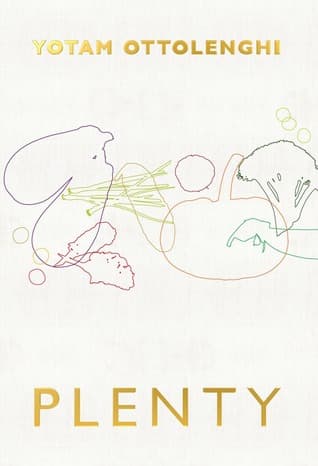
Plenty cover
Archivist's Choice

Plenty

Yotam Ottolenghi (2010)

Genre

Lifestyle / Reference / Health

Reading Time

9-12 hours (to cook a good selection of recipes)

Key Themes

See below

Track Your Reading

Sign in to track this book

Explore a Mediterranean-inspired world where vegetables are the star, bursting with innovative flavors and unexpected combinations that will impress even the most devoted meat-eater.

Core Idea

Plenty challenges the idea that vegetables are just side dishes. The book shows how to make complex, satisfying, and delicious meals built around produce. It uses bold flavor combinations, plenty of herbs and spices, and fresh, high-quality ingredients. It encourages a vegetable-focused way of eating that is both enjoyable and healthy, proving that meatless meals can be exciting and flavorful. Ottolenghi's style draws on Mediterranean and Middle Eastern influences, highlighting the impact of roasting, the role of acidity and good fats, and the importance of different textures. The book is more than a recipe collection; it asks readers to rethink vegetables. It encourages home cooks to try new pairings and embrace a plant-forward cooking philosophy that prioritizes taste and enjoyment.
Reading time
9-12 hours (to cook a good selection of recipes)
Difficulty
Medium
✓ Read this if...
You want to make vegetables the exciting main event of your meals, explore vibrant Mediterranean and Middle Eastern flavors, or need inspiration for sophisticated vegetarian cooking.
✗ Skip this if...
You are looking for quick, weeknight-only recipes, prefer very simple flavor profiles, or are strictly focused on meat-centric cooking.

Core idea

The central argument and framework that powers the entire book.

Plenty challenges the idea that vegetables are just side dishes. The book shows how to make complex, satisfying, and delicious meals built around produce. It uses bold flavor combinations, plenty of herbs and spices, and fresh, high-quality ingredients. It encourages a vegetable-focused way of eating that is both enjoyable and healthy, proving that meatless meals can be exciting and flavorful.

Ottolenghi's style draws on Mediterranean and Middle Eastern influences, highlighting the impact of roasting, the role of acidity and good fats, and the importance of different textures. The book is more than a recipe collection; it asks readers to rethink vegetables. It encourages home cooks to try new pairings and embrace a plant-forward cooking philosophy that prioritizes taste and enjoyment.

At a glance

Reading time

9-12 hours (to cook a good selection of recipes)

Difficulty

Medium

Read this if...

You want to make vegetables the exciting main event of your meals, explore vibrant Mediterranean and Middle Eastern flavors, or need inspiration for sophisticated vegetarian cooking.

Skip this if...

You are looking for quick, weeknight-only recipes, prefer very simple flavor profiles, or are strictly focused on meat-centric cooking.

Key Takeaways

1

Vegetables as the Main Event

Elevating produce from side dish to star of the plate.

Quote

My aim is to celebrate vegetables, to treat them with the same respect and excitement that a meat-eater might reserve for a prime cut.

Ottolenghi challenges the idea that vegetarian food is just a substitute for meat. He advocates for vegetables to be the main part of the meal, showing their complexity, versatility, and deep flavor. This is not about 'meatless Mondays' as a compromise, but a deliberate and joyful celebration of plants. His approach is less about removing meat and more about adding layers of taste and texture through new vegetable combinations, herbs, spices, and cooking methods. This thinking frees vegetarian cooking from its perceived limits, making...

Supporting evidence

The entire structure of 'Plenty' is evidence, with chapters dedicated solely to individual vegetables or vegetable families (e.g., Aubergines, Brassicas, Roots), demonstrating their potential for diverse and complete dishes.

Apply this

When planning meals, consciously start with a vegetable and build the dish around it, rather than thinking of a protein first. Experiment with roasting, grilling, and braising vegetables to unlock different flavor profiles.

vegetarian-revolutioningredient-focusplant-forward
2

The Power of Layered Flavors

Building complexity through herbs, spices, and contrasting textures.

Quote

I often think about food in terms of layers – sweet, sour, salty, bitter, umami – and how to bring them all together in one harmonious dish.

Ottolenghi's skill is in combining many flavors and textures, making dishes that are far from simple. He uses fresh herbs like mint and cilantro, strong spices such as cumin and sumac, and contrasting elements like crunchy nuts, creamy yogurts, and tangy citrus. This layering keeps dishes from being one-note, offering a dynamic eating experience where each bite reveals new tastes. It shows that strong flavor does not require meat, but a thoughtful and adventurous approach to seasoning and ingredient pairing. This technique makes his v...

Supporting evidence

Recipes like the 'Aubergine with Buttermilk and Pomegranate' or 'Roasted Brussels Sprouts with Black Garlic' exemplify this, where multiple components (roasted vegetables, creamy sauce, fresh herbs, sharp fruit/garlic) are brought together.

Apply this

Before serving, taste your dish and consider what's missing: a pinch of salt to enhance, a squeeze of lemon for brightness, a sprinkle of fresh herbs for aroma, or toasted nuts for crunch. Don't be afraid to combine unexpected elements.

flavor-buildingspice-blendingtextural-contrast
3

Mediterranean and Middle Eastern Influences

A culinary journey through sun-drenched ingredients and aromatic traditions.

Quote

My food is a reflection of my background – a mixture of my Israeli upbringing, my European travels, and my love for the vibrant markets of the Middle East.

Ottolenghi's cooking is deeply rooted in the vibrant flavors and fresh ingredients of the Mediterranean and Middle East. This influence shows in his use of olive oil, lemon, tahini, za'atar, sumac, and pomegranate. He often includes staples like chickpeas, lentils, bulgur, and fresh cheeses, turning them into sophisticated and comforting dishes. This regional inspiration provides a natural base for delicious vegetarian cooking, as these cuisines have historically relied on plant-based ingredients for their richness and variety. It is ...

Supporting evidence

Recipes featuring ingredients like za'atar (e.g., 'Giant Couscous with Tomato and Preserved Lemon'), tahini (e.g., 'Broccoli and Grains with Tahini'), and pomegranate (e.g., 'Roasted Sweet Potatoes with Fresh Figs and Pomegranate') are ubiquitous throughout the book.

Apply this

Stock your pantry with key Mediterranean and Middle Eastern ingredients like good quality olive oil, tahini, sumac, za'atar, preserved lemons, and dried pulses. Explore local international markets for authentic components.

middle-eastern-cuisinemediterranean-dietspice-route
4

Embracing Acid and Freshness

Using citrus and vinegar to cut richness and brighten flavors.

Quote

A good squeeze of lemon or a splash of vinegar can transform a dish, lifting it and adding a crucial layer of freshness.

One of Ottolenghi's signatures is his careful, often generous, use of acid. Lemon juice, lime juice, and various vinegars (red wine, cider, balsamic) are not just afterthoughts; they are key parts that balance richness, enhance natural flavors, and offer a refreshing contrast. This is especially important in vegetable-heavy dishes, where earthiness or sweetness can sometimes be too strong. Acid cleans the palate, making each bite feel vibrant and keeping the dish from becoming heavy. It is a simple yet powerful technique that elevates...

Supporting evidence

Almost every recipe in 'Plenty' includes a form of acid, often added at the end. For example, the 'Halloumi with Roasted Vegetables' is brightened by lemon juice, and many salads feature vinegar-based dressings.

Apply this

Always have fresh lemons and limes on hand. Before serving, taste and consider if a touch of acid could lift the dish. Don't be shy with a final squeeze of citrus or a drizzle of good quality vinegar.

flavor-balancecitrus-enhancementacidity-in-cooking
5

Ingredient Quality is Paramount

Great dishes start with exceptional, fresh produce.

Quote

The best recipes in the world won't save a dish if the ingredients aren't up to scratch. Start with the best you can find.

Ottolenghi consistently highlights that the foundation of any truly delicious dish, especially vegetarian ones, depends on the quality and freshness of its ingredients. When vegetables are the stars, their inherent flavor and texture matter most. This means finding ripe, seasonal produce, choosing good quality olive oil, fresh herbs, and artisanal cheeses when possible. He believes that even simple preparations can shine when the components are exceptional, reducing the need for complex techniques to hide poor produce. This philosophy...

Supporting evidence

Throughout the book, Ottolenghi often specifies 'good quality' or 'freshly picked' for ingredients, and his recipes, while flavorful, often rely on minimal processing to let the produce speak for itself.

Apply this

Prioritize shopping at farmers' markets or reputable grocery stores known for fresh produce. Choose seasonal vegetables that are at their peak flavor. Taste ingredients before cooking if possible to understand their profile.

seasonal-eatingproduce-qualityfarm-to-table
6

Texture as a Key Component

Adding crunch, chew, and creaminess for a more engaging meal.

Quote

A dish without textural contrast can be dull, no matter how good the flavors. I love to add crunch, chew, and creaminess to keep things interesting.

Beyond flavor, Ottolenghi excels at texture. He knows that a satisfying meal involves all senses, and a variety of textures is essential. He often includes crunchy elements like toasted nuts or seeds, creamy components such as yogurt or tahini, chewy grains, and tender roasted vegetables. This interplay prevents monotony and adds a dynamic quality to his dishes, making them feel more substantial and complete. The deliberate use of textural contrasts ensures that each bite is an experience, avoiding the common issue of vegetarian food ...

Supporting evidence

Many recipes feature this, for instance, the 'Cauliflower and Cumin Fritters' offer a crispy exterior and tender interior, often served with a creamy dip. Toasted nuts are a frequent garnish, adding crucial crunch.

Apply this

When planning a dish, think about adding at least two different textures: something crunchy (nuts, croutons), something creamy (yogurt, avocado), something tender (roasted vegetables), and something chewy (grains, beans).

mouthfeelfood-texturesensory-cooking
7

Roasting as a Flavor Enhancer

Transforming simple vegetables into intensely flavorful components.

Quote

Roasting is magic. It caramelizes, concentrates flavors, and brings out the natural sweetness in vegetables like no other cooking method.

Ottolenghi often uses roasting as a main cooking method, recognizing its ability to turn simple vegetables into intensely flavorful and aromatic components. The oven's high heat caramelizes the natural sugars in vegetables, creating a rich, sweet, and slightly smoky depth that steaming or boiling cannot achieve. This technique is central to his approach, as it enhances the natural deliciousness of produce, making it a compelling centerpiece rather than a meek side. Roasting adds complexity and robustness, making vegetarian dishes sati...

Supporting evidence

Chapters dedicated to 'Roots' and 'Squashes' are filled with roasted vegetable recipes. The 'Roasted Butternut Squash with Sage and Pine Nuts' is a prime example of how roasting brings out deep flavors.

Apply this

Experiment with roasting different vegetables (broccoli, cauliflower, carrots, sweet potatoes, Brussels sprouts) with a good drizzle of olive oil, salt, and pepper. Don't overcrowd the baking sheet to ensure proper caramelization.

caramelizationoven-roastingmaillard-reaction
8

The Art of the Salad

Reimagining salads as substantial, exciting, and full of character.

Quote

A salad doesn't have to be a light starter. It can be a vibrant, satisfying main course, full of different textures and big flavors.

Ottolenghi changes the idea of a salad, going beyond simple greens and dressing. His salads are complex creations, often featuring roasted or grilled vegetables, hearty grains, legumes, fresh herbs, nuts, seeds, and creamy cheeses, all brought together by bold, flavorful dressings. These are not just side dishes; they are substantial, satisfying meals on their own, designed to be visually appealing and texturally exciting. He shows how thoughtful combinations of fresh, cooked, and raw ingredients can create a symphony of flavors and t...

Supporting evidence

Recipes like 'Giant Couscous with Tomato and Preserved Lemon' or 'Roasted Eggplant with Herby Yogurt and Toasted Hazelnuts' are presented as substantial salads, showcasing grains, roasted vegetables, and creamy elements.

Apply this

Think of salads as a complete meal. Combine cooked components (roasted vegetables, grains) with fresh elements (herbs, raw greens) and add a protein (chickpeas, halloumi) and a flavorful dressing. Don't be afraid to make them hearty.

salad-as-mealgrain-saladscomplex-salads
9

Don't Fear the Fat (Good Fat)

Embracing olive oil, nuts, and dairy for richness and flavor.

Quote

Good fats are essential for flavor, satiety, and carrying the wonderful aromas of spices and herbs. Don't shy away from a generous drizzle of olive oil.

In an era focused on low-fat diets, Ottolenghi embraces healthy fats as important for both flavor and satisfaction. Generous drizzles of high-quality olive oil are a hallmark of his cooking, providing richness, helping with caramelization, and carrying the complex aromas of herbs and spices. He also often uses nuts, seeds, and full-fat dairy (like Greek yogurt or feta) to add creaminess, depth, and satiety to his vegetarian dishes. This approach recognizes that fat is not bad but a vital element that makes food delicious and fulfillin...

Supporting evidence

Almost every recipe uses olive oil liberally. Dishes like 'Halloumi with Roasted Vegetables' or 'Broccoli and Grains with Tahini' showcase healthy fats from cheese, nuts, and tahini.

Apply this

Invest in a good quality extra virgin olive oil for dressing and finishing dishes. Don't be afraid to use a generous amount when roasting vegetables or making dressings. Incorporate nuts, seeds, and avocados for healthy fats.

healthy-fatsolive-oil-benefitssatiety-in-cooking
10

The Joy of Cooking and Sharing

Food as an experience, meant to be savored and shared with loved ones.

Quote

Cooking should be a pleasure, an act of love, and the resulting food should bring joy to those who eat it.

Beyond the technical skill, 'Plenty' shows a deep joy and passion for food. Ottolenghi's recipes are not just instructions; they are invitations to engage with ingredients, to experiment, and to find pleasure in cooking. His writing and the stunning photography create a friendly atmosphere, emphasizing that food, especially delicious and thoughtfully prepared food, is meant to be shared. This underlying philosophy turns cooking from a chore into a creative and social act, encouraging readers to enjoy preparing and eating vibrant, flav...

Supporting evidence

The evocative photography throughout the book, often showing abundant dishes artfully arranged for sharing, and Ottolenghi's warm, encouraging tone in his recipe introductions and headnotes.

Apply this

Approach cooking with curiosity and a willingness to experiment. Take the time to plate dishes beautifully. Host regular meals for friends and family, focusing on creating a relaxed and enjoyable dining experience.

culinary-joycommunal-eatingfood-experience

Critical analysis

Notable Quotes

The greatest joy of cooking is in sharing it.

General philosophy underpinning many recipes.

Vegetables are not a side dish; they are the main event.

A core principle of the book's approach to vegetarian cuisine.

Don't be afraid to experiment with spices and herbs.

Encouragement given to readers to personalize dishes.

Good food doesn't have to be complicated.

Introducing a recipe that is simple yet flavorful.

The beauty of a dish lies not only in its taste but also in its appearance.

Emphasizing the visual appeal of the food, a hallmark of Ottolenghi's style.

A little bit of acidity can lift a dish to new heights.

Discussing the role of ingredients like lemon juice or vinegar.

Cooking with fresh, seasonal ingredients is paramount.

Underlining the importance of ingredient quality for optimal taste.

Embrace the natural sweetness of vegetables.

Guiding readers to appreciate the inherent flavors of produce.

The kitchen should be a place of enjoyment, not stress.

A general piece of advice for home cooks.

Sometimes the simplest combinations yield the most profound flavors.

Referring to a recipe with few ingredients but impactful taste.

Don't underestimate the power of a good dressing.

Highlighting how a well-made dressing can transform a salad or dish.

Food is a wonderful way to connect with people.

Reflecting on the social aspect of cooking and eating.

It’s about making vegetables exciting, vibrant and utterly delicious.

Summarizing the book's mission statement.

Never shy away from using plenty of olive oil.

A recurring theme in Mediterranean-inspired cooking.

A dash of something unexpected can make all the difference.

Encouraging a playful approach to adding unique elements to dishes.

Quiz

Test Your Knowledge

Ready to see how well you understood this book? Take our interactive quiz with 10 questions.

10
Questions
~5
Minutes
?
Best Score

Key Questions (FAQ)

Plenty features an exclusive collection of innovative vegetarian recipes, drawing inspiration from Ottolenghi's Mediterranean background. You'll find dishes with strong flavors and stunning, fresh combinations across various vegetable categories.

About the author