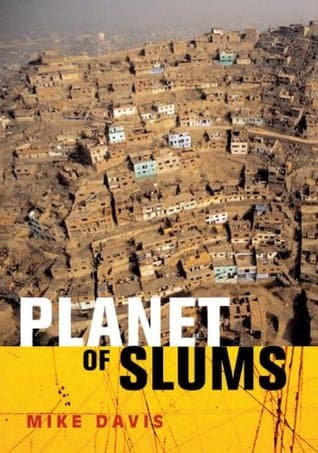
The Slum as the New Urban Majority
Global urbanization is overwhelmingly characterized by the growth of informal settlements, not industrial development.
Quote
The cities of the global South are reproducing, on an even more gargantuan scale, the environmental conditions that characterized Manchester and Chicago in the age of Engels and Riis.
Davis argues that the global urban explosion, especially in the Global South, differs from past urbanization. Unlike 19th and early 20th-century industrial cities, which absorbed rural migrants into factory jobs and a growing formal economy, today's urbanization is largely 'over-urbanization' without industrialization. This growth means most new city dwellers settle in informal, self-built, and often precarious slum environments. These slums are not temporary problems but are becoming the main form of urban living for billions, markin...
Supporting evidence
Davis cites UN-HABITAT figures showing that by 2007, a billion people lived in slums, projected to double by 2030. He contrasts this with the historical development of cities in the Global North, where urbanization was closely tied to industrialization and formal job creation.
Apply this
Policymakers and urban planners must abandon romanticized notions of urban development and instead focus on the realities of slum life, including recognizing informal economies, improving land tenure, and providing basic services rather than attempting forced evictions or top-down, unaffordable housing solutions.