BookBrief
People of the City cover
Archivist's Choice

People of the City

Cyprian Ekwensi (1976)

Genre

General

Reading Time

240 min

Key Themes

See below

Track Your Reading

Sign in to track this book

In Lagos, a journalist navigates the dangers of fast money, women, and corruption amidst the city's jazz nightlife and cutthroat ambition.

Core Idea

Cyprian Ekwensi's "People of the City" shows the powerful yet destructive nature of the growing post-colonial African metropolis, Lagos. It argues that while the city offers new chances for self-reinvention, artistic expression, and money, it also exposes people to moral decay, financial exploitation, and broken human connections. The story suggests that modern goals—whether fame through music, wealth, or romantic freedom—often trap residents in disillusionment, where traditional values clash with the city's harsh practicality and superficial appeal. The book illustrates how the city's promise of freedom often turns into new forms of control, through corruption, the buying and selling of relationships, or the constant need to maintain a public image. It suggests that people, especially young men and women drawn to the city, move through a dangerous place where hope is fragile, and the line between success and ruin is thin. This reveals the city as a morally complex place for a new African identity.
Reading time
240 min
Difficulty
Medium
✓ Read this if...
You are interested in early African urban literature, exploring themes of post-colonial societal changes, the impact of modernization on individual morality, and the complex allure of city life.
✗ Skip this if...
You prefer narratives with a clear moral compass, straightforward character arcs, or a less episodic, more tightly plotted structure.

Core idea

The central argument and framework that powers the entire book.

Cyprian Ekwensi's "People of the City" shows the powerful yet destructive nature of the growing post-colonial African metropolis, Lagos. It argues that while the city offers new chances for self-reinvention, artistic expression, and money, it also exposes people to moral decay, financial exploitation, and broken human connections. The story suggests that modern goals—whether fame through music, wealth, or romantic freedom—often trap residents in disillusionment, where traditional values clash with the city's harsh practicality and superficial appeal.

The book illustrates how the city's promise of freedom often turns into new forms of control, through corruption, the buying and selling of relationships, or the constant need to maintain a public image. It suggests that people, especially young men and women drawn to the city, move through a dangerous place where hope is fragile, and the line between success and ruin is thin. This reveals the city as a morally complex place for a new African identity.

At a glance

Reading time

240 min

Difficulty

Medium

Read this if...

You are interested in early African urban literature, exploring themes of post-colonial societal changes, the impact of modernization on individual morality, and the complex allure of city life.

Skip this if...

You prefer narratives with a clear moral compass, straightforward character arcs, or a less episodic, more tightly plotted structure.

Key Takeaways

1

The Allure and Peril of the City

The city promises freedom and opportunity but often delivers moral decay and disillusionment.

Quote

The city was a magnet, drawing them in with the promise of gold and pleasure, only to strip them bare.

Ekwensi shows the Nigerian city (likely Lagos, though unnamed) as a lively yet morally complex character. It is a place of strong appeal, where old rules loosen, and people believe they can create new identities and wealth. However, this freedom often leads to moral compromise, with characters falling into greed, desire, and corruption. The city both frees and traps, offering dazzling chances alongside deep moral risks. This dual nature helps explain the sad paths of many characters, as their early hopes are slowly worn away by the ci...

Supporting evidence

Sango's initial arrival in the city, full of ambition and his subsequent entanglement with a series of women and shady political figures, illustrates the city's corrupting influence. His dream of becoming a successful journalist is continuously sidetracked by the city's distractions and demands.

Apply this

When migrating to a new, fast-paced environment, establish a strong personal moral compass and a supportive network to resist potential negative influences. Be wary of promises that seem too good to be true and prioritize long-term goals over immediate gratification.

urban-migrationmoral-decaydisillusionment
2

Music as a Double-Edged Sword

Music provides both an escape and a path to exploitation in the bustling city.

Quote

His saxophone was his voice, his solace, and his curse, binding him to the very life he sometimes yearned to escape.

For Sango, music, especially his jazz saxophone, is his identity, passion, and main way of expressing himself. It gives him moments of pure joy and creative satisfaction, a temporary break from the city's pressures. However, it also becomes a tool for exploitation. His musical talent draws him to wealthy patrons and powerful figures who use his popularity for their own goals, often involving him in illegal activities or romantic relationships that complicate his life. The very thing that gives him purpose also makes him vulnerable, as...

Supporting evidence

Sango's performances at clubs and parties are key to his social mobility and his encounters with characters like Beatrice and Aina, but these connections often lead to his financial and emotional downfall rather than genuine success.

Apply this

Recognize when your talents or passions are being exploited. Set clear boundaries between your art and its commercialization, ensuring that your core values are not compromised for external validation or material gain. Seek out communities that appreciate your art for its intrinsic value.

artistic-exploitationpassion-and-perilmusic-culture
3

The Entanglement of Love and Money

Romantic relationships are often transactional, driven by financial necessity and social climbing rather than genuine affection.

Quote

In the city, love was a commodity, bought and sold, a means to an end, rarely an end in itself.

Ekwensi presents a grim view of romance in the city, where relationships are rarely pure and often tainted by money. Characters, especially women, are often forced into relationships for financial security or social advancement, seeing partners as a way to escape poverty or improve their standing. Men, in turn, use their wealth or influence to attract and control women. This transactional nature of love leads to a cycle of betrayal, jealousy, and heartbreak, as true emotional connection is less important than practical concerns. The n...

Supporting evidence

The relationships between Sango and various women like Beatrice, Aina, and Lajide's mistress are often characterized by financial dependency, manipulation, and power imbalances, rather than mutual affection. Beatrice's past and her subsequent reliance on men for survival exemplify this dynamic.

Apply this

In any relationship, critically assess the underlying motivations beyond initial attraction. Foster financial independence to avoid entering relationships out of necessity. Prioritize genuine connection and mutual respect over material gain or social status.

transactional-relationshipseconomic-pressurelove-and-money
4

The Illusion of Freedom

While the city promises liberation from tradition, it often imposes new, equally restrictive forms of bondage.

Quote

They came for freedom, but found themselves bound by the chains of debt, desire, and the city's insatiable maw.

Many characters move to the city seeking to escape the perceived limits of rural life—traditional customs, family expectations, and few opportunities. They imagine a life of independence and self-determination. However, Ekwensi shows this freedom to be mostly an illusion. The city replaces old chains with new ones: the constant pursuit of money, the pressures of social status, the demands of powerful figures, and the appeal of pleasures that often lead to debt and dependence. Characters find themselves trapped in cycles of poverty, cr...

Supporting evidence

Sango's constant struggle with debt, his inability to maintain a stable job, and his entanglement with powerful and corrupt individuals illustrate how the city's 'freedom' actually leads to a different kind of servitude.

Apply this

When seeking change, define what true freedom means to you beyond superficial aspects. Be aware that new environments bring new challenges and potential dependencies. Actively cultivate genuine independence and resilience, rather than simply swapping one set of constraints for another.

urban-bondagefalse-freedomsocietal-traps
5

The Corrupting Influence of Power

Power, whether political or economic, is consistently depicted as a force that corrupts and exploits.

Quote

The powerful feasted on the weak, their appetites growing with each bite of the city's flesh.

Throughout 'People of the City,' Ekwensi shows the widespread corruption that comes with power in the city. Politicians, businesspeople, and even criminals use their influence not to improve society, but for personal gain and to exploit others. This corruption appears in various forms: bribery, extortion, political manipulation, and abuse of authority. Characters who gain power often lose their moral sense, becoming ruthless and uncaring about the suffering they cause. The novel suggests that the city's competitive and materialistic e...

Supporting evidence

Lajide, the wealthy and influential politician, uses his power to control women, manipulate situations, and escape consequences, epitomizing the corrupt elite. His actions directly impact Sango's life and the lives of other characters.

Apply this

Develop a critical awareness of power dynamics in any environment. Do not blindly trust authority figures. Support systems and individuals who advocate for transparency, accountability, and ethical leadership. Recognize that power unchecked often leads to abuse.

political-corruptionabuse-of-powersocial-injustice
6

Women as Objects and Agents

Female characters navigate a patriarchal society, often as objects of desire or exploitation, but sometimes as resilient agents of their own fate.

Quote

They were the flowers of the city, beautiful and fragile, yet capable of thorns when pushed to the edge.

Ekwensi presents a complex picture of women in the city. On one hand, many are shown through a male perspective, often as objects of desire, status symbols, or sources of temptation for male characters. Their beauty is often highlighted, and their worth often tied to their relationships with powerful men. They are vulnerable to exploitation, abandonment, and social judgment. On the other hand, several female characters show remarkable strength, resourcefulness, and control in navigating this patriarchal environment. They make difficul...

Supporting evidence

Beatrice's journey from a young woman seeking love to a hardened survivor, and Aina's calculated pursuit of financial security through relationships, showcase both vulnerability and a pragmatic, sometimes ruthless, agency. Lajide's mistress, while seemingly subservient, also demonstrates a degree of control over her situation.

Apply this

Challenge gender stereotypes and recognize the agency and resilience of individuals regardless of their societal positioning. Support initiatives that empower women and address systemic inequalities. Look beyond surface appearances to understand the motivations and struggles of others.

gender-rolesfemale-agencypatriarchy-urban
7

The Cycle of Escape and Return

Characters often attempt to escape their past or the city's grip, only to find themselves drawn back into its familiar patterns.

Quote

The city was a labyrinth, and no matter how far they ran, the walls always seemed to guide them back to its heart.

A repeated theme is the difficulty, or impossibility, of truly escaping one's situation or the city's strong pull. Characters, like Sango, often think about leaving, seeking a fresh start or a return to a simpler life. However, they are continuously drawn back by old relationships, unpaid debts, work duties, or the sheer inertia of their city life. This creates a sense of fate, suggesting that choices made in the city have a lasting, almost inescapable impact. The cycle of trying to escape and then being pulled back highlights the dee...

Supporting evidence

Sango's repeated intentions to leave the city or change his ways are consistently thwarted by his various entanglements with women, politicians, and the demands of his musical career. Even when he tries to distance himself, the city's influence remains strong.

Apply this

Recognize patterns of self-sabotage or returning to unhealthy situations. Break cycles by consciously creating new habits, seeking new environments, and severing ties that hold you back. Understand that escape is often internal before it can be external.

inescapable-fateurban-trappersonal-cycles
8

The Performance of Identity

In the city, identity is often fluid and performed, influenced by social aspirations and the need for survival.

Quote

They wore their identities like new clothes, easily discarded when a better fit came along.

Ekwensi shows how the city encourages people to perform identities. Characters often adopt roles, exaggerate their achievements, or hide their true pasts to fit into the competitive city social hierarchy. This is especially true for those who have moved from rural areas, shedding their traditional identities to appear modern and sophisticated. Sango, for instance, tries to be a successful journalist and musician, but his life often feels like a performance to keep up appearances. Women also adapt their identities to navigate relations...

Supporting evidence

Sango's attempts to project an image of success despite his financial struggles, and various characters' adoption of new names or fabricated backgrounds to gain social acceptance or escape their pasts, illustrate this theme.

Apply this

Be authentic in your interactions and self-presentation, even in new environments. Understand that while adapting to new contexts is necessary, losing your core identity for external validation can be detrimental. Cultivate self-awareness beyond external roles.

identity-fluiditysocial-performanceurban-anonymity
9

The Press as a Mirror and a Molder

Journalism, represented by Sango's profession, reflects the city's reality but also actively shapes public perception and morality.

Quote

The newspaper held up a distorted mirror to the city, reflecting its chaos while also fanning its flames.

Sango's role as a journalist for the 'Daily Comet' places the press at the center of the story, showing its dual function in the city. On one hand, the newspaper aims to report on the city's events, exposing corruption, crimes, and social issues, thus reflecting its chaotic reality. On the other hand, the press is not always an unbiased observer; it can sensationalize stories, influence public opinion, and even be manipulated by powerful figures for their own agendas. Sango himself, despite wanting to report objectively, often finds h...

Supporting evidence

Sango's articles often touch upon the city's underbelly, but his personal involvement in the events he reports on, and the newspaper's general tone, suggest a blurring of lines between objective journalism and sensationalism or manipulation.

Apply this

Approach news and media with a critical eye, questioning sources and potential biases. Seek out diverse perspectives to form a comprehensive understanding of events. Support ethical journalism that prioritizes truth and public interest over sensationalism or political agendas.

media-ethicsjournalism-influencepublic-perception
10

The Fragility of Hope

Initial optimism and aspirations often succumb to the harsh realities and moral compromises demanded by urban life.

Quote

Their dreams, once vibrant and full of promise, slowly withered under the relentless sun of the city's unforgiving streets.

Many characters arrive in the city with high hopes and big dreams—Sango wants to be a successful journalist and musician, others seek wealth or a better life. However, Ekwensi consistently shows how these hopes are slowly worn away by the city's harsh realities. Poverty, corruption, social pressures, and the constant need for survival force characters into moral compromises, making them abandon their initial ideals. The bright dreams slowly fade, replaced by disillusionment and resignation. The novel suggests that the city, while prom...

Supporting evidence

Sango's initial idealism as a journalist and his passion for music are repeatedly challenged and compromised by his financial struggles, his entanglements with powerful figures, and his personal moral failings, leading to a noticeable decline in his optimism.

Apply this

Cultivate resilience and adaptability when pursuing long-term goals, understanding that setbacks and compromises may occur. Balance idealism with pragmatism, and be prepared to adjust your approach without abandoning your core values. Find sources of hope beyond material success.

disillusioned-dreamsurban-struggleloss-of-innocence

Critical analysis

Notable Quotes

The city was a great beast, always hungry, always demanding.

Reflecting on Lagos and its insatiable nature.

Money was the new god, and everyone worshipped it.

Blossom's observation about the pervasive materialism.

Life in the city was a gamble, and only the cunning survived.

Amusa's cynical view of success in Lagos.

She had come to the city to find her fortune, but found only trouble.

Sisi's journey and her unfortunate experiences.

The drums of the city never stopped beating, a rhythm of ambition and despair.

The constant background noise and emotional landscape of Lagos.

He played his saxophone as if his life depended on it, pouring his soul into every note.

Amusa's passion for music as an escape and expression.

Love in the city was a fleeting thing, easily bought and easily lost.

Observing the transactional nature of relationships in Lagos.

Every day was a struggle, a fight to keep your head above the muddy waters of poverty.

The constant economic hardship faced by many characters.

The neon lights promised glamour, but delivered only shadows.

The deceptive allure of the city's nightlife.

He wanted to be famous, to be someone, but the city had a way of swallowing dreams.

Amusa's aspirations and the difficulty of achieving them.

The women of the city were like colourful birds, each with her own song and her own cage.

A metaphor for the diverse yet constrained lives of women.

The scent of roasted plantain and exhaust fumes mingled in the air, the true perfume of Lagos.

A sensory description capturing the essence of the city.

He learned that in the city, trust was a luxury few could afford.

Amusa's lessons about human nature in an urban environment.

The city never slept, and neither did its problems.

The perpetual activity and ongoing issues of Lagos.

Quiz

Test Your Knowledge

Ready to see how well you understood this book? Take our interactive quiz with 10 questions.

10
Questions
~5
Minutes
?
Best Score

Key Questions (FAQ)

'People of the City' follows Amusa Sango, a young journalist and highlife musician, as he navigates the vibrant yet corrupt underworld of Lagos. The novel explores themes of ambition, materialism, love, and the challenges faced by young people migrating to the bustling city.

About the author

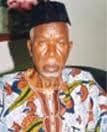
Cyprian Ekwensi

Cyprian Ekwensi was a Nigerian novelist and journalist. He is best known for his novels 'Jagua Nana,' 'Jagua Nana's Daughter,' and 'People of the City,' which explored urban life and social issues in post-colonial Nigeria. Ekwensi's vibrant prose and realistic portrayals of Nigerian society made him a significant figure in African literature.