“Paris was not built in a day, but it was built on dreams.”
— Opening reflection on the city's enduring spirit and ambition.

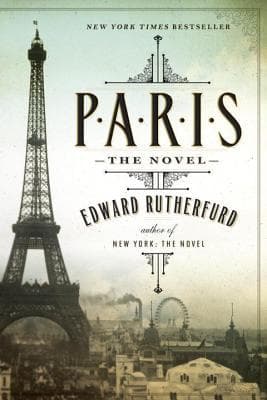
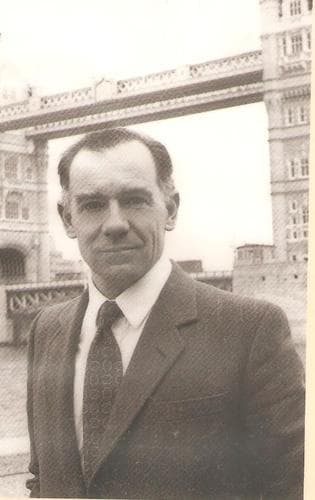
Edward Rutherfurd (2013)
Genre
Lifestyle / Historical Fiction
Reading Time
16-20 hours
Key Themes
See below
Sign in to track this book
Travel through centuries of Parisian life, from the French Revolution's shadows to the Eiffel Tower's rise, as families navigate love, betrayal, and destiny in the city of light.
The story begins in 52 BC, describing the Roman conquest of Lutetia, a small Gallic settlement on the Île de la Cité. It introduces the early ancestors of several key families: the Le Sourds, a working-class line often associated with the river and its trades, and the de Marignys, who come from the Roman elite, establishing their presence and influence. The story quickly moves through centuries, showing the city's growth, the building of early churches, and its gradual identity as Paris. The de Marignys get land and status, while the Le Sourds stay connected to the city's daily life, seeing its changes from a more grounded view. This first section sets the stage for the novel's long historical span, tracing the deep roots of Parisian society and its families.
The story moves into the medieval era, focusing on the building of Notre Dame Cathedral and the Sorbonne. The de Marigny family, now important nobles, are involved in the politics and power struggles of the time. They often clash with other powerful families, such as the de Valois. The de Marignys participate in crusades and court intrigues, securing their aristocratic line. The Le Sourds, meanwhile, are shown as artisans and merchants, adapting to the changing city, surviving plagues, and taking part in the early guild system. The story shows the clear difference between the lives of nobles and common people, yet how their destinies connect through the city's growth and shared historical events, such as the Hundred Years' War and the Black Death.
As Paris enters the Renaissance, the story looks at the Reformation and the Wars of Religion. The de Marignys, mostly Catholic, navigate the political situation, sometimes finding themselves on opposite sides of the religious divide within their own extended family, as some members favor Protestantism. The Le Sourd family, now including people like Jean Le Sourd, often get caught in these conflicts, witnessing the St. Bartholomew's Day Massacre and experiencing the persecution of Protestants. The story shows the harsh realities of religious intolerance and the constant fight for power and survival in a city changing culturally and socially. New families, like the Blanchards, begin to appear, representing the growing merchant class and their increasing influence.
The story moves to Louis XIV's reign, with the de Marignys enjoying their status at Versailles, though some feel the financial pressure of keeping their position. The Enlightenment period follows, introducing characters who adopt new philosophical ideas, often in salons and coffee houses. The Le Sourds continue their trades, while the new Gascon family, especially the ambitious young lawyer Luc Gascon, embodies the rising professional class, increasingly critical of the aristocracy. The growing gap between the rich nobles and the struggling commoners becomes a main idea, hinting at the coming revolution. The story shows the intellectual excitement and social tensions building under the surface of the glittering Parisian society.
The French Revolution begins, and the characters' lives change forever. The de Marignys face severe persecution. Some members, like the elderly Comtesse de Marigny, are executed, while others flee or try to adapt. The Le Sourds and Gascons, representing the common people and the middle class, actively participate in the revolutionary events. Luc Gascon rises through the ranks, showing revolutionary passion, even as the Terror takes lives without distinction. The story vividly portrays the storming of the Bastille, the Reign of Terror, and the Thermidorian Reaction, showing how people navigate these dangerous times, making hard choices that decide their survival and shape their families' and the nation's future.
After the Revolution's chaos, Napoleon Bonaparte's rise brings new order and ambition to Paris. The de Marignys try to regain some lost status, often through strategic alliances and marriages, though their old privileges are gone. The Gascon family, having done well during the Revolution, continues to build its influence in law and politics. The Le Sourds adapt to the changing economy, with some becoming successful merchants or artisans as Paris grows under Napoleon's direction. The story shows the city's change, the building of new monuments, and the growing sense of national pride, setting the stage for the cultural and artistic flourishing of the Belle Époque.
The mid-19th century sees Baron Haussmann's big changes to Paris, tearing down old medieval streets to create grand boulevards and parks. The de Marignys, now less powerful politically but still wealthy, benefit from property deals, while the Gascons continue to rise in the professional classes. The Le Sourds, often displaced by demolitions, find their lives disrupted, with some moving to new working-class neighborhoods. The story shows the clear difference between the glittering new Paris and the harsh realities for the poor. It also introduces new characters, such as the fictional artist Emile Zola, who observes these social changes. The building of landmarks like the Opéra Garnier represents this era of both progress and social change.
The Belle Époque begins, bringing an explosion of art, culture, and new technology. The building of the Eiffel Tower for the 1889 Universal Exposition is a central event, with characters like the engineer Charles Gascon involved in its creation. The de Marignys keep their high-society status, visiting the new cabarets and salons. The Le Sourds, now with members working in construction or entertainment like the Moulin Rouge, represent the working class and artistic bohemian life. The story looks at the contrast between the glittering surface of Parisian society and the social inequalities below, as well as the Dreyfus Affair, which divides the city and reveals deep-seated biases. This period is shown as a peak of Parisian glamour and creativity.
The 20th century brings the devastation of two World Wars. During WWI, characters from all families serve, experience loss, and see the horrors of modern war. The time between wars is a brief break, but WWII quickly follows, leading to the Nazi occupation of Paris. The story focuses on the families' experiences under occupation. Some de Marignys collaborate or try to keep their status, while others join the Resistance. The Gascons, often in positions of influence, navigate the complexities of survival and resistance. The Le Sourds, representing common people, endure rationing, curfews, and the constant threat of persecution, with some actively participating in the underground Resistance movement. The liberation of Paris is a moment of great relief and victory, but the scars of war remain.
After WWII, Paris begins a period of rebuilding and modernization. The surviving de Marigny, Gascon, and Le Sourd families deal with the war's effects and the changing social landscape. New generations appear, embracing modern culture, business, and politics. The story mentions the student protests of 1968, the city's ongoing urban development, and its role as a global cultural capital. The families, though many generations from their origins, still show echoes of their ancestors' experiences, demonstrating the lasting spirit of Paris and its people. The story ends in the late 20th and early 21st centuries, showing Paris as a diverse, modern city, reflecting its long and complex history.
The Supporting
Luc transforms from an idealistic young lawyer into a powerful, yet morally compromised, figure of the Revolution, ultimately surviving its excesses.
The Supporting
The various Comtesses, across generations, demonstrate the enduring pride and eventual decline and adaptation of the French aristocracy.
The Supporting
Annette endures the hardships of the Revolution, finding love and a new life despite the social upheaval.
The Supporting
Charles rises as a successful engineer, contributing to the iconic modernization of Paris through the Eiffel Tower.
The Supporting
Julien navigates the challenges of working-class life in Belle Époque Paris, finding his place amidst social and cultural change.
The Supporting
Marguerite grapples with her aristocratic heritage while being drawn to the modern freedoms and cultural vibrancy of Belle Époque Paris.
The Supporting
Jean endures religious persecution as a Protestant, symbolizing the resilience of the common people during the Wars of Religion.
The Supporting
Philippe establishes the de Marigny family's noble status through military service and political maneuvering in medieval France.
The Supporting
Adèle bravely fights in the Resistance, embodying the spirit of defiance against Nazi occupation.
The novel shows Paris as a living thing, a character that lasts through centuries of change, war, and transformation. Despite changing governments, destruction and rebuilding, and countless lives lived there, the city's core remains. This idea is clear in the constant presence of the Seine, Notre Dame, and the familiar streets that continue even as they change. The strength of the various families, always returning to or adapting within Paris, supports this idea, showing the city's ability to renew itself while keeping its soul. The final chapters, showing modern Paris, emphasize this continuity.
“Paris was not just a city of stone and mortar; it was a city of memory, a tapestry woven from the lives of generations.”
The novel carefully shows the strict social classes of French society across different times and the constant effort to move up in society. The de Marignys represent the established aristocracy, often fighting to keep their privileges. The Le Sourds typically represent the working class, their lives shaped by trade and labor, while the Gascons appear as a rising middle-class family, using education and profession to gain influence. The French Revolution is a key moment, breaking old class structures and allowing for quick, though often brutal, social ascent and descent. The Haussmannization of Paris further highlights these divisions, creating a physically separated city.
“The river belonged to the Le Sourds, just as the land belonged to the de Marignys, and the law, it seemed, would soon belong to the Gascons.”
Throughout the generations, characters deal with their family's past and their own place within Parisian history. The de Marignys hold onto their noble background, while the Le Sourds find identity in their trades and community. The Gascons try to create a new identity through intelligence and ambition. The novel explores how individual choices are shaped by ancestral stories and how each generation adds to, or differs from, their family's established path. The recurring family names constantly remind us of this deep connection to the past and the importance of heritage.
“He knew his name was a thread in a much longer story, stretching back to Roman Gaul, and forward into a future he could only imagine.”
Against the background of major historical events, personal stories of love, betrayal, and strong loyalty unfold. Characters from different social classes often find themselves attracted to each other, like the relationship between Luc Gascon and Annette Le Sourd during the Revolution. Family loyalties are constantly tested by political change, religious differences, and personal ambition, leading to both heartbreaking sacrifices and steady devotion. The novel shows how, even in the most difficult times, human connections and emotional bonds remain a strong force, providing comfort and meaning amid the chaos of history.
“In a city consumed by fire and revolution, the only true fortress was the heart, and the only lasting treasure, loyalty.”
The story often looks at the two sides of progress, showing both its benefits and its often-difficult results. From Haussmann's grand city planning, which created the beautiful modern Paris but displaced thousands of poor people, to industrial changes that brought wealth but also social unrest, the book shows this tension. The building of the Eiffel Tower, a symbol of progress, is compared with the lives of the laborers who built it. This idea makes us think about whether the benefits of modernization always outweigh the costs, especially for society's most vulnerable members.
“Every grand boulevard, every shining new building, was built on the dust of what came before, and sometimes, on the despair of those displaced.”
Traces the lives of several families across centuries, offering diverse viewpoints on historical events.
Rutherfurd employs a generational saga structure, following the intertwined lives of several fictional families (de Marigny, Le Sourd, Gascon) from ancient times to the present day. This allows for a panoramic view of Parisian history, showcasing how different social classes experience and influence major events. By shifting perspectives between these families, the narrative provides a rich, multi-layered understanding of the city's evolution, highlighting the continuity of certain traits and struggles across generations, while also demonstrating how each era reshapes individual and collective destinies.
Blends the lives of invented characters with real historical personalities and events.
The novel seamlessly integrates its fictional characters into the fabric of actual historical events and introduces them to real historical figures. For example, fictional characters might witness the storming of the Bastille, encounter Napoleon, or work alongside Baron Haussmann. This device grounds the narrative in historical authenticity, making the grand sweep of history feel personal and immediate. It allows readers to experience pivotal moments through the eyes of relatable individuals, blurring the lines between fiction and historical fact and enhancing the immersive quality of the story.
Uses famous structures like Notre Dame and the Eiffel Tower to mark historical periods and symbolize change.
Major Parisian landmarks serve as crucial narrative anchors throughout the book. The construction and evolution of Notre Dame Cathedral mark the medieval period, while the building of the Eiffel Tower defines the Belle Époque. These structures are not merely backdrops; they are often central to the plot, becoming sites of significant events, symbols of specific eras, and even objects of conflict or aspiration for the characters. Their enduring presence across centuries underscores the theme of the city's resilience and provides tangible reference points for the reader navigating the vast timeline.
Repeats symbolic elements like the Seine River, Parisian cafes, and specific street names to create continuity.
Rutherfurd uses recurring motifs and symbols to tie together the disparate time periods. The Seine River, for instance, is a constant presence, witnessing all changes and serving as a lifeline for the city. Parisian cafes and salons evolve but remain places of social interaction and intellectual exchange. Specific street names or districts, like Montmartre or the Île de la Cité, appear repeatedly, showing their transformation and enduring significance. These recurring elements provide a sense of continuity and familiarity, reinforcing the idea of Paris as a timeless entity despite its constant metamorphosis.
“Paris was not built in a day, but it was built on dreams.”
— Opening reflection on the city's enduring spirit and ambition.
“In Paris, every stone has a story, and every story is a stone in the foundation of France.”
— Narrator describing the historical layers of the city.
“The river flows, the city changes, but the heart of Paris remains the same.”
— Observation during a scene set along the Seine in the 19th century.
“We are all exiles in our own city, searching for a home that no longer exists.”
— A character reflecting on displacement after the French Revolution.
“Art is not a luxury in Paris; it is the air we breathe.”
— An artist character defending the importance of creativity.
“The true history of Paris is written not in books, but in the lives of its people.”
— Narrator emphasizing the human element of the city's past.
“In the shadow of the cathedral, even the smallest soul can feel grand.”
— Description of Notre-Dame's impact on a humble character.
“Love in Paris is like the Seine: sometimes calm, sometimes turbulent, but always flowing.”
— Reflection on romantic relationships across generations.
“Revolution does not end with the last shot fired; it echoes in every cobblestone.”
— Commentary on the lasting effects of political upheaval.
“To understand Paris, you must walk its streets until your feet ache and your heart swells.”
— Advice from an older character to a newcomer.
“The city remembers what we forget, and forgets what we remember.”
— Philosophical musing on memory and urban life.
“In Paris, even the rain has a purpose: to wash away the old and welcome the new.”
— Description of a rainy day scene in the Belle Époque.
“A family is like a tapestry, woven with threads of joy and sorrow across centuries.”
— Reflection on the interconnected lives of the novel's families.
“The greatest battles in Paris are not fought with swords, but with words and ideas.”
— Observation during a debate in a 19th-century salon.
Ready to see how well you understood this book? Take our interactive quiz with 10 questions.
Biography coming soon.