The Myth of Phonocentrism
Speech is not inherently superior or prior to writing.
Quote
The privilege of the phone… is the privilege of a full meaning, of a meaning that is present to itself, a meaning that is immediately available to consciousness without the mediation of any external signifier.
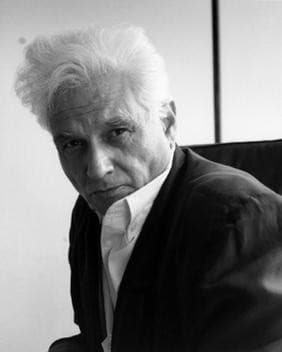
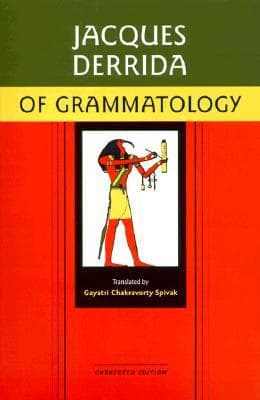
Derrida questions the long-held Western philosophical idea of phonocentrism, which sees speech as the direct, authentic, and 'present' expression of thought, while making writing secondary and potentially corrupting. He argues this bias is deep in metaphysics, connecting speech to presence, consciousness, and truth. By examining this hierarchy, Derrida shows how the 'voice' has been favored as the source of pure meaning, free from the 'contamination' of external signs. He demonstrates that writing is not just a way to record speech bu...
Supporting evidence
Derrida analyzes the works of Saussure, Rousseau, and Lévi-Strauss, showing how their theories, despite their innovations, ultimately reinforce phonocentric assumptions about the origin and nature of language. He critiques Saussure's emphasis on the 'arbitrariness of the sign' while still granting an unspoken priority to the spoken word as the primary signifier.
Apply this
Question any assertion of 'pure' or 'unmediated' presence in communication. Recognize how the medium (speech, writing, digital text) fundamentally shapes meaning rather than merely transmitting it. Be wary of claims that one form of expression is more 'natural' or 'authentic' than another.