“The past is never dead. It's not even past.”
— Quoting William Faulkner, a recurring theme about past events influencing the present.

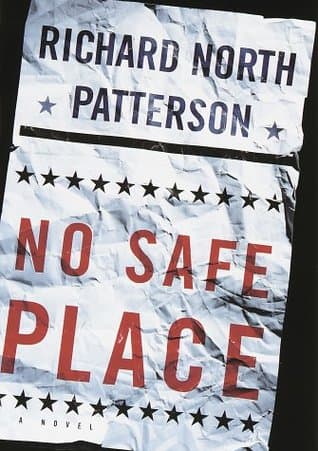
Richard North Patterson (1998)
Genre
Politics / Thriller / Mystery
Reading Time
10-12 hours
Key Themes
See below
Sign in to track this book
In the final week of a presidential campaign, Senator Kerry Kilcannon races against time and an assassin, battling his past and a secret that could end his White House bid.
Senator Kerry Kilcannon arrives in California, seven days before the primary election, with his campaign manager, Peter Lake, and press secretary, Carolyn Davies. He is met by crowds and protestors from the Right to Life movement, including Robert Bell. Kilcannon is running for the Democratic nomination against Senator Robert Baker, a more moderate candidate. The California primary is critical for Kilcannon's progressive campaign. His ex-girlfriend, Caroline Masters, a network correspondent, is covering the election, adding to the pressure due to their complicated history.
While Kilcannon campaigns, reporter Michael Pace from the Washington Post investigates the Senator's past. Pace has found information about a violent incident in Kilcannon's childhood: his abusive father's death and his mother, Katherine Kilcannon's, murder trial. Pace believes there is more to the story and wants to expose what he sees as a hidden truth that could hurt Kilcannon's presidential bid. Kilcannon's team knows about Pace's investigation and works to manage the potential damage, while Kilcannon struggles with these painful memories.
Caroline Masters, a respected journalist, faces an ethical problem covering Kilcannon's campaign. Her past relationship with Kilcannon, though over, still influences her, making it hard to stay objective. She knows about the rumors and Pace's investigation into Kilcannon's family history. While she wants to protect Kilcannon, her job requires her to report the truth. This internal conflict grows worse with interactions with Kilcannon, bringing back old feelings and making her question her impartiality as the campaign gets more intense.
Robert Bell, a religious and anti-abortion activist, becomes convinced that Senator Kilcannon, because of his pro-choice stance, threatens unborn life and must be stopped. Bell sees a television interview with Kilcannon as a direct challenge, strengthening his extreme views. He begins to plan an assassination, believing it is a divine mission. He gets a weapon and researches Kilcannon's schedule and security, preparing to strike. His mental state worsens, and his conviction becomes a dangerous obsession.
As the California primary nears, pressure on Kilcannon increases. Senator Baker's campaign attacks Kilcannon's liberal policies, trying to paint him as extreme. Michael Pace's investigation finds more details about the childhood incident, putting Kilcannon's team on high alert. Kilcannon appears strained, haunted by his past and present demands. He tells Peter Lake about his childhood trauma, revealing more about his father's violence and the circumstances of his death, information he has kept secret for decades.
Driven by her journalistic instincts and concern for Kilcannon, Caroline Masters investigates the childhood incident. She reviews old court documents, interviews sources, and confronts Kilcannon's mother, Katherine. Caroline uncovers the full truth: Kilcannon's father abused Katherine, Kerry, and his sister, Christine. The night he died, he was attacking Katherine with a knife, and Christine, then a young girl, shot him in self-defense, not Katherine. Katherine took the blame to protect Christine and Kerry from scandal and trauma.
With Caroline's findings, Kilcannon confronts his sister, Christine, now a lawyer. The revelation of Christine's role in their father's death is emotional for both. Christine, who had suppressed the memory, relives the event. Kilcannon is devastated by his sister's burden and his mother's sacrifices. This confrontation reveals the extent of the family's trauma and the lengths they went to protect each other, breaking their carefully constructed past.
Unknown to Caroline or Kilcannon, Michael Pace also makes a breakthrough. Through digging and an anonymous tip, Pace gets a key piece of evidence – a sealed police report or testimony detailing Christine Kilcannon's involvement in her father's death. This evidence confirms his suspicions and gives him definitive proof. Pace is ready to publish an article that could ruin Kilcannon's campaign days before the primary, believing he is exposing a deception.
During a large rally in Los Angeles, Robert Bell, having planned his attack, positions himself in the crowd. As Senator Kilcannon speaks, Bell sees his chance. He draws his weapon and fires. The shot causes chaos and panic. Kilcannon's security reacts, shielding him and trying to stop the threat. The assassination attempt disrupts the campaign, with immediate concerns for Kilcannon's safety and the political impact of such violence.
After the shooting, Kilcannon is rushed to the hospital. He survives with a non-fatal injury. Bell is caught. Amidst the crisis, the story of Christine Kilcannon's role in her father's death, which Pace was about to publish and Caroline had uncovered, is revealed. The revelation is presented not as a scandal, but as a sign of the family's strength and sacrifice in trauma. Public reaction is largely sympathetic, shifting the narrative in Kilcannon's favor.
Despite the scrutiny, assassination attempt, and family secret, Senator Kilcannon wins the California primary. Public sympathy for his ordeal and admiration for his resilience, along with understanding his family's past, boosts support for his campaign. The victory makes him a serious contender for the Democratic nomination, showing that honesty and personal struggle can connect with voters, even in presidential politics.
After the primary win, Kilcannon and Caroline Masters reconcile, their shared experience and revelations bringing them closer. Professional boundaries blur with their renewed emotional connection. Kilcannon, now more open about his past, is stronger and more determined. With the California primary secured, he looks to the general election, carrying his political ambition, understanding of his history, and the love of those who supported him. The novel ends with Kilcannon continuing his journey towards the presidency, changed by the campaign's events.
The Protagonist
Kilcannon moves from a guarded candidate hiding a painful secret to an open and authentic leader, embracing his past and finding strength in vulnerability.
The Supporting
Caroline grapples with her journalistic ethics versus personal feelings, ultimately choosing truth while reaffirming her connection with Kilcannon.
The Supporting
Pace's relentless pursuit of truth ultimately leads to a significant revelation, although its impact differs from his initial expectations.
The Antagonist
Bell descends further into religious extremism and paranoia, culminating in a violent act driven by his distorted beliefs.
The Supporting
Lake remains a steadfast supporter, adapting his strategies to protect Kilcannon through personal and political crises.
The Supporting
Katherine's long-held secret is finally revealed, bringing both pain and a sense of liberation.
The Supporting
Christine is forced to confront her repressed trauma, leading to a painful but ultimately freeing revelation.
The Supporting
Baker's campaign challenges Kilcannon, forcing him to defend his positions and ultimately overcome a formidable political rival.
The novel explores how past traumas and secrets shape people and influence their present. Kerry Kilcannon's life and political career are affected by his father's violent death and his mother's imprisonment. Michael Pace's investigation forces Kilcannon to face these memories. Katherine and Christine Kilcannon also show this theme, having carried the truth for decades, affecting their relationships and self-worth. The book suggests that freedom, even for a presidential candidate, comes from facing one's past.
“The past is a foreign country; they do things differently there.”
The novel examines the tension between public perception and hidden realities in presidential politics. Kilcannon's campaign is carefully planned, but it is threatened by the potential exposure of a personal and damaging truth. Michael Pace's investigation and Caroline Masters's journalism highlight the media's role in examining a candidate's life. The story questions if a candidate can be authentic while protecting personal secrets, and how the public reacts when those secrets are revealed. It suggests that honesty, even painful honesty, can connect more deeply than a carefully built image.
“In politics, perception is reality, until reality hits you in the face.”
A main theme is how far people go to protect loved ones. Katherine Kilcannon taking the blame for her husband's death, sacrificing her freedom and reputation to shield her children, is the clearest example. This act of love and self-sacrifice impacts Kerry and Christine's lives. The theme also includes Kilcannon's campaign team, especially Peter Lake, who works to protect Kilcannon's political future, and Caroline Masters, who struggles between protecting Kilcannon personally and maintaining professional integrity.
“Love, in its purest form, is often an act of profound sacrifice.”
Robert Bell represents the dangerous extreme of fanaticism. His strong, religiously motivated belief that Kilcannon must be stopped shows how ideology, when taken to an extreme, can lead to violence and disregard for human life. Bell's journey highlights the mental decline that can come with such beliefs, where disagreement is seen as evil and violence becomes a justified means. This theme warns about the dangers of unchecked ideological passion in a democratic society.
“He saw not a man, but a symbol. And symbols, he believed, could be struck down.”
The novel explores themes of redemption and forgiveness. Kilcannon facing his past and accepting the truth about his family's trauma is a form of personal redemption, allowing him to live more authentically. The public's sympathetic reaction to his family's secret suggests collective forgiveness for the initial deception. The story implies that acknowledging past wrongs and suffering, and having the courage to share them, can lead to healing and a stronger sense of self and community.
“Sometimes, the hardest truth is the one that sets you free.”
A traumatic childhood event involving a murder and cover-up.
This device is central to the entire narrative. The secret of Christine Kilcannon killing her abusive father, and Katherine taking the blame, creates the primary suspense and conflict. It's the 'ticking time bomb' that threatens Kilcannon's political career and forces the characters to confront painful truths. The slow reveal of the secret, through Michael Pace's investigation and Caroline Masters's efforts, drives much of the plot and character development. It directly links Kilcannon's personal life to his public persona, creating high stakes.
A tenacious journalist determined to uncover a hidden truth.
Michael Pace serves as the catalyst for exposing the Kilcannon family secret. His relentless pursuit of the truth, often without regard for the personal cost to his subjects, creates external pressure on Kilcannon and his team. Pace's investigation is a constant threat, forcing Kilcannon to make difficult choices about protecting his past versus running an honest campaign. He embodies the media's power and its often-unflinching role in scrutinizing public figures, propelling the plot forward by continuously closing in on the truth.
The final, intense week of a crucial presidential primary election.
The narrative is structured around the seven-day countdown to the California primary. This device creates immense urgency and pressure, intensifying every event and interaction. The limited timeframe amplifies the stakes of Pace's investigation, Bell's plot, and Kilcannon's personal struggles. Each day brings new challenges and revelations, building towards a climax that coincides with both the election and the assassination attempt, making the political race a literal race against time and danger.
Caroline Masters's struggle between her journalistic ethics and personal feelings for Kilcannon.
Caroline Masters's character embodies this device. Her past relationship with Kilcannon and lingering feelings for him create a profound ethical dilemma as she covers his campaign. This internal conflict adds emotional depth to the story, showcasing the human cost of journalism and politics. Her struggle to remain objective while caring for the subject of her reporting highlights the blurred lines that can exist in high-stakes environments, making her a relatable and complex character whose choices significantly impact the narrative's emotional core.
“The past is never dead. It's not even past.”
— Quoting William Faulkner, a recurring theme about past events influencing the present.
“In politics, there are no friends, only allies and enemies, and both are temporary.”
— Reflecting on the transactional and often ruthless nature of political relationships.
“Truth is a stubborn thing. It has a way of coming out, no matter how deeply buried.”
— A character's conviction that secrets cannot remain hidden indefinitely.
“Power corrupts, and absolute power corrupts absolutely. It's not a cliché, it's a warning.”
— A character's observation on the dangers of unchecked authority.
“Sometimes the greatest betrayals come from those we trust the most.”
— A realization by the protagonist after being deceived by a close associate.
“Fear is a powerful motivator, but it can also blind you to the truth.”
— Discussing how fear can manipulate individuals and distort their perceptions.
“The line between conviction and obsession is often thinner than we'd like to admit.”
— A reflection on the protagonist's dedication to their cause, bordering on unhealthy fixation.
“Justice isn't always fair, but it's the ideal we must constantly strive for.”
— A character's pragmatic view on the imperfections of the justice system.
“Every secret has a price, and someone always pays it.”
— Exploring the inevitable consequences of hidden information.
“Even in the darkest times, hope is the one thing no one can take from you.”
— A moment of resilience and optimism amidst dire circumstances.
“The silence of good people is often more dangerous than the noise of the wicked.”
— A commentary on the dangers of inaction and complicity.
“To truly understand someone, you must walk a mile in their shoes, even if those shoes are covered in mud.”
— Emphasizing the importance of empathy, even for those with questionable actions.
“The past is not a foreign country; it's the foundations of the house you live in.”
— Another perspective on how historical events shape the present reality.
“Sometimes the greatest victories are simply surviving to fight another day.”
— A pragmatic view of success in the face of overwhelming odds.
Ready to see how well you understood this book? Take our interactive quiz with 10 questions.
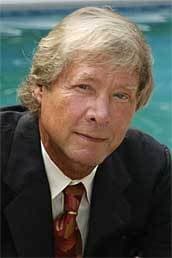
Biography coming soon.

Brett Casper
5.0

Dirk Uffelmann
4.7

Winston S. Churchill
4.5

Chimamanda Ngozi Adichie
4.5

Will Durant
4.4
Thomas Sowell
4.4
W.E.B. Du Bois
4.3

Alan Moore
4.3