BookBrief
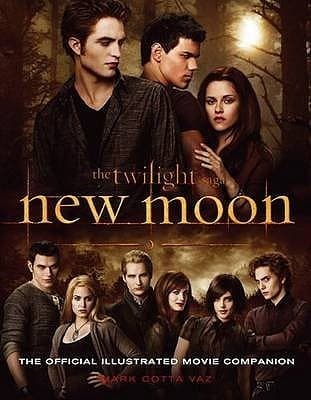
New Moon: The Complete Illustrated Movie Companion cover
Archivist's Choice

New Moon: The Complete Illustrated Movie Companion

Mark Cotta Vaz

Genre

Reference / Romance

Reading Time

12 Minutes

Key Themes

See below

Track Your Reading

Sign in to track this book

Explore the making of 'New Moon' with interviews, stories, and stunning full-color images that bring Stephenie Meyer's world to the screen.

Core Idea

This book serves as the definitive visual and textual guide to the film adaptation of 'New Moon,' the second installment in Stephenie Meyer's Twilight Saga. It offers fans an in-depth, behind-the-scenes look at the movie's production, from script to screen, highlighting the creative decisions, challenges, and details that brought the beloved novel to life. Through a rich collection of photographs, concept art, and exclusive interviews, the book aims to immerse readers in the world of the film, providing context and insight into its making.
Difficulty
Easy

Core idea

The central argument and framework that powers the entire book.

This book serves as the definitive visual and textual guide to the film adaptation of 'New Moon,' the second installment in Stephenie Meyer's Twilight Saga. It offers fans an in-depth, behind-the-scenes look at the movie's production, from script to screen, highlighting the creative decisions, challenges, and details that brought the beloved novel to life. Through a rich collection of photographs, concept art, and exclusive interviews, the book aims to immerse readers in the world of the film, providing context and insight into its making.

At a glance

Difficulty

Easy

Key Takeaways

1

Visual Storytelling as a Primary Adaptation Tool

How cinematic choices translate internal monologue into external spectacle.

Quote

The challenge was to take Bella's interior world and make it visually compelling, especially during her period of profound depression.

This book shows the careful work to visualize Bella Swan's inner conflicts, a common problem when adapting first-person novels. Director Chris Weitz and cinematographer Javier Aguirresarobe used a sophisticated visual style, changing colors, lighting, and camera work to show Bella's emotions. For example, the bright, almost unreal greens and blues of Forks in early scenes gradually fade and become muted when Edward is gone, reflecting Bella's depression. The 'four months' montage, a key visual tool, compresses a long period into a sta...

Supporting evidence

Discussion of Chris Weitz's directorial vision for translating Bella's internal monologue and emotional states into visual cues, particularly the use of desaturated colors and the 'four months' montage.

Apply this

When adapting character-driven stories, prioritize visual metaphors and cinematic techniques to convey internal states, reducing reliance on voiceovers or heavy dialogue.

2

Casting's Impact on Franchise Continuity and Fan Expectation

The delicate balance of introducing new characters while maintaining established chemistry.

Quote

Bringing in the Volturi and the wolf pack meant finding actors who could instantly command attention and integrate into an already beloved cast.

The book details the careful casting process for New Moon, especially for new characters like the Volturi and the expanded Quileute wolf pack. This was a critical point for the franchise, as these characters would shape future films. The challenge was finding talented actors who could meet fan expectations while also bringing new interpretations. Casting Michael Sheen as Aro, for instance, is noted as a brilliant choice, bringing a dramatic, unsettling charm to the ancient vampire. Similarly, the careful selection of the wolf pack a...

Supporting evidence

Detailed accounts of the casting process for the Volturi (e.g., Michael Sheen as Aro) and the Quileute wolf pack, and the considerations for their integration into the existing cast.

Apply this

For long-running franchises, strategic casting of new characters is paramount, balancing established fan expectations with fresh interpretations to ensure narrative and emotional continuity.

3

Practical vs. Digital Effects for World-Building

The strategic blend of tangible and CGI elements to create a believable fantasy world.

Quote

We aimed for a grounded reality, even with vampires and werewolves. Practical sets and locations gave us that foundation, then CGI enhanced it.

A key point is the production's practical approach to visual effects, favoring real sets and on-location shooting when possible, then adding CGI. This mixed strategy aimed to ground the fantasy elements in a tangible reality, making the world more immersive. The detailed descriptions of the Volterra sets, for example, show a commitment to physical construction, giving actors a concrete environment to react to, which often leads to more authentic performances. However, transforming the Quileute actors into wolves required advanced CGI,...

Supporting evidence

Discussions of practical set construction for locations like Volterra and the Cullen house, contrasted with the extensive use of CGI for the werewolf transformations and supernatural speed effects.

Apply this

When building fantasy worlds, prioritize practical effects and real-world locations to establish a sense of realism, reserving CGI for elements that cannot be achieved tangibly, thus optimizing budget and enhancing authenticity.

4

The Evolution of Character Arcs Through Visuals and Performance

How actors and directors collaborate to deepen established roles.

Quote

Bella's journey in 'New Moon' is about finding strength in vulnerability, and that had to be communicated non-verbally as much as through dialogue.

The book offers insights into how the main actors, Kristen Stewart (Bella), Robert Pattinson (Edward), and Taylor Lautner (Jacob), handled their characters' expanded emotional range in New Moon. Stewart's portrayal of Bella's grief and desolation, often shown through subtle body language and facial expressions rather than dialogue, is particularly highlighted. Lautner's physical transformation and his character's growing emotional intensity are also covered, showing the actor's dedication to Jacob's shift from friend to protector. T...

Supporting evidence

Interviews with Kristen Stewart discussing Bella's depression and non-verbal communication, and details on Taylor Lautner's physical and emotional preparation for Jacob's expanded role.

Apply this

Encourage actors to explore non-verbal communication and physical transformation to convey complex emotional arcs, allowing characters to evolve naturally beyond their initial portrayals.

5

The Director's Vision as a Unifying Force

Chris Weitz's leadership in navigating a complex, high-pressure sequel.

Quote

Chris brought a calm, artistic sensibility to a production that could have easily been overwhelmed by its own scale and expectations.

Mark Cotta Vaz carefully details how director Chris Weitz managed the large production of New Moon, following a successful first film. Weitz's background, particularly his experience with large-scale fantasy (like The Golden Compass), was valuable. The book emphasizes his ability to balance fan expectations with his own artistic vision, introducing a more mature and darker tone while keeping the essence of Stephenie Meyer's novel. His collaborative approach with both cast and crew, creating an environment of trust and creativity u...

Supporting evidence

Numerous quotes from cast and crew praising Chris Weitz's calm demeanor, artistic vision, and collaborative leadership style in handling the sequel's demands.

Apply this

In high-stakes productions, a director's ability to foster a collaborative, calm, and artistically focused environment is crucial for navigating pressure and delivering a cohesive vision.

6

Sound Design as an Unsung Hero

How auditory elements subtly enhance emotional impact and world-building.

Quote

The absence of sound can be just as powerful as its presence, especially in moments of isolation or heightened tension.

While often overlooked, the book quietly highlights the important role of sound design in New Moon. The production deliberately used sound (or its absence) to amplify emotional states and build atmosphere. For example, the eerie silence after Edward's departure emphasizes Bella's loneliness, a sharp contrast to the earlier, more active sounds of Forks. The distinct growls and snarls developed for the werewolves, and the subtle, almost imperceptible sounds associated with the vampires' super-speed, are discussed as key elements in di...

Supporting evidence

Brief mentions of specific sound design choices, such as the use of silence during Bella's depression, and the distinct sound effects created for the werewolves and vampires.

Apply this

Pay meticulous attention to sound design, utilizing both presence and absence of sound, to enhance emotional impact, differentiate characters, and deepen the immersive quality of a film's world.

7

Costume Design as Character Extension

Clothing choices reflect personality, power, and cultural identity.

Quote

Every costume piece, from Bella's muted tones to the Volturi's ancient robes, tells a story about who these characters are.

The book focuses on the costume design, showing how clothing is used to visually communicate character traits and cultural identities. Bella's wardrobe, for instance, changes from practical, earthy tones reflecting her grounded nature, to drab, almost colorless outfits during her depression, and finally to a more determined, active look. The Quileute wolf pack's clothing uses natural materials and tribal aesthetics, reinforcing their connection to the land. Most strikingly, the Volturi's ancient, dark, and luxurious robes, especially ...

Supporting evidence

Descriptions of costume choices for Bella (reflecting emotional state), the Quileute tribe (cultural identity), and the Volturi (power and age).

Apply this

Utilize costume design as a powerful storytelling tool to visually communicate character development, cultural heritage, and power dynamics, ensuring each garment serves a narrative purpose.

8

Location Scouting as a Narrative Driver

The strategic selection of real-world settings to enhance mood and authenticity.

Quote

Finding locations that felt both authentic to Forks and suitably grand for Italy was crucial for immersing the audience.

The book emphasizes the importance of location scouting in New Moon, showing how carefully chosen real-world settings added significantly to the film's atmosphere and authenticity. The Pacific Northwest's overcast skies and lush forests were essential for establishing the moody, isolated feel of Forks, while shooting the Volterra scenes in Montepulciano, Italy, rather than a studio backlot, added an unmatched layer of historical grandeur and realism. This commitment to authentic locations, even with extensive travel and logistical c...

Supporting evidence

Details on shooting locations in the Pacific Northwest for Forks and Montepulciano, Italy, for Volterra, and the logistical challenges involved.

Apply this

Invest in authentic, real-world locations that intrinsically support the film's mood, themes, and narrative, even if logistically challenging, to enhance audience immersion and credibility.

9

Adapting Source Material: Balancing Fidelity and Innovation

Navigating fan expectations while making necessary cinematic changes.

Quote

You have to be true to the spirit of the book, but a movie isn't a book. Some things just work differently on screen.

This companion book provides a look into the screenwriting process for New Moon, particularly the balance between sticking to Stephenie Meyer's source material and making necessary adaptations for film. Screenwriter Melissa Rosenberg discusses the challenges of turning Bella's internal thoughts into external action and dialogue, and the strategic decisions made to shorten or lengthen certain plot points without alienating the passionate fanbase. The 'four months' montage, for example, is a clever cinematic shorthand for Bella's depr...

Supporting evidence

Discussions with screenwriter Melissa Rosenberg about translating Bella's internal monologue and condensing narrative elements, such as the 'four months' sequence.

Apply this

When adapting beloved source material, prioritize capturing the emotional core and thematic integrity over literal translation, using cinematic language to innovate while respecting fan expectations.

10

The Power of Fandom in Shaping Production

How fan engagement influences creative decisions and marketing strategies.

Quote

The fans are why we do this. Their passion is palpable, and it absolutely influences how we approach everything, from casting to visual effects.

A subtle but constant theme throughout the book is the influence of the Twilight fandom on the production of New Moon. The creative team was aware of the fervent fan base, leading to conscious decisions regarding casting, character portrayal, and even the visual interpretation of key scenes. This awareness extended to marketing, with early releases of stills and trailers designed to engage the community. While not always directly dictating creative choices, the 'fan lens' was a significant consideration, particularly in a franchis...

Supporting evidence

Repeated mentions of fan expectations influencing casting decisions, character portrayals, and the overall approach to adapting key scenes.

Apply this

Actively engage with and consider the passionate fan base of a franchise, allowing their feedback and expectations to inform creative and marketing strategies, fostering a deeper connection with the audience.

Critical analysis

Notable Quotes

Quiz

Test Your Knowledge

Ready to see how well you understood this book? Take our interactive quiz with 10 questions.

10
Questions
~5
Minutes
?
Best Score

Key Questions (FAQ)

This book is a visual guide to the making of the 'New Moon' film. It features stunning full-color photos of the cast, sets, and locations, offering an in-depth look at how Stephenie Meyer's world was brought to the screen by director Chris Weitz.

About the author