BookBrief
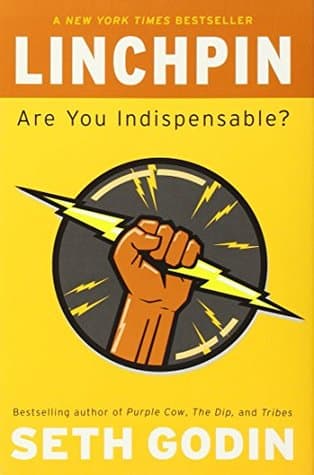
Linchpin: Are You Indispensable? cover
Archivist's Choice

Linchpin: Are You Indispensable?

Seth Godin (2010)

Genre

Business / Psychology / Productivity / Leadership / Self-Help

Reading Time

12 Minutes

Key Themes

See below

Track Your Reading

Sign in to track this book

Core Idea

Seth Godin argues that the traditional industrial economy, which rewarded compliant cogs in a machine, is dead. The future belongs to "linchpins" – indispensable individuals who bring unique creativity, judgment, and emotional labor to their work. These are the artists who don't just follow instructions but invent, connect, and solve problems in ways that cannot be easily automated or outsourced. To become a linchpin, one must overcome the internal resistance (the "lizard brain") that pushes for conformity and instead embrace the discomfort of standing out, taking initiative, and giving gifts of their unique work to the world.
Difficulty
Medium

Core idea

The central argument and framework that powers the entire book.

Seth Godin argues that the traditional industrial economy, which rewarded compliant cogs in a machine, is dead. The future belongs to "linchpins" – indispensable individuals who bring unique creativity, judgment, and emotional labor to their work. These are the artists who don't just follow instructions but invent, connect, and solve problems in ways that cannot be easily automated or outsourced. To become a linchpin, one must overcome the internal resistance (the "lizard brain") that pushes for conformity and instead embrace the discomfort of standing out, taking initiative, and giving gifts of their unique work to the world.

At a glance

Difficulty

Medium

Key Takeaways

1

The Rise of the Linchpin

Beyond labor and management, a new indispensable class emerges.

Quote

There used to be two teams in every workplace: management and labor. Now there's a third team: the linchpins. These people figure out what to do when there's no rule book. They delight and challenge their customers and peers. They love their work, pour their best selves into it, and turn each day into a kind of art.

Godin says the old two-part company structure of 'management' and 'labor' no longer works. The modern economy needs a 'third team': linchpins. These people are not just small parts of a system; they are essential artists who bring special value, solve new problems, and add creativity to their jobs. They do well when things are unclear, making their own rules when needed. This makes them vital to their companies' success. This change means moving from just following rules to truly contributing. The linchpin idea is one of the book's be...

Supporting evidence

Godin's observation of the evolving workplace, where routine tasks are increasingly automated or outsourced, leaving a premium on creative problem-solving and emotional labor.

Apply this

Identify areas in your role where you can apply creativity, solve non-standard problems, or connect emotionally with clients/colleagues, moving beyond rote tasks to become indispensable.

2

The Gift of Art

Your work becomes 'art' when you infuse it with passion and individuality.

Quote

Every day I meet people who have so much to give but have been bullied enough or frightened enough to hold it back. It's time to stop complying with the system and draw your own map. You have brilliance in you, your contribution is essential, and the art you create is precious. Only you can do it, and you must.

Godin says 'art' at work is not only for traditional creative jobs. It is about bringing your unique self to any task, solving problems originally, and doing work with a personal touch. This 'gift' is what makes a linchpin. It means refusing to just follow orders and instead putting real effort and care into what you produce. Fear of standing out or making mistakes often stops people from offering their art. But Godin insists that this unique contribution is what makes someone essential and truly valuable.

Supporting evidence

The book frequently references individuals who go beyond their job descriptions to create memorable experiences or solutions, transforming mundane tasks into remarkable interactions.

Apply this

Consciously seek opportunities to personalize your work, add unexpected value, and infuse your unique perspective, even in seemingly routine tasks. Embrace the vulnerability required to share your 'art'.

3

The Resistance and the Lizard Brain

Overcoming the internal forces that compel us to conform and hide our unique gifts.

Quote

The lizard brain is the reason you're afraid, the reason you don't do all the things you know you need to do... The lizard brain is the enemy of the art.

A big problem in becoming a linchpin is what Godin calls the 'lizard brain' – our basic instinct for safety and fitting in. This inner 'resistance' shows up as fear, putting things off, and wanting to blend in. It stops us from offering our unique 'art.' The lizard brain prefers what is predictable, easy, and compliant, which blocks our potential to be essential. Recognizing and fighting this inner resistance is key for anyone wanting to be a linchpin, as it means moving past comfort and accepting the unknown. This idea offers a stron...

Supporting evidence

Godin draws parallels to Steven Pressfield's 'The War of Art,' emphasizing the universal struggle against internal resistance that prevents creative output and risk-taking.

Apply this

When faced with fear or hesitation about a creative idea or bold initiative, acknowledge the 'lizard brain' and consciously choose to proceed, understanding that discomfort is a sign of growth.

4

Emotional Labor as a Differentiator

The human touch that cannot be outsourced or automated.

Quote

Emotional labor is the work of doing things that others don't want to do, or doing things that require a human touch... It's the only real competitive advantage left.

In a world with more automation and global work, tasks that can be written down or sent elsewhere are becoming less valuable. Godin points to 'emotional labor' as the main difference-maker. This includes empathy, good judgment, creative problem-solving, and the ability to connect with others personally. It means bringing real care and insight to interactions with customers, coworkers, or other important people. This kind of work is human and cannot be automated, making those who do it well essential. It is a key part of what makes a l...

Supporting evidence

Examples of customer service representatives who go above and beyond, or innovators who intuit market needs, demonstrating the irreplaceable value of human connection and insight.

Apply this

Actively practice empathy and seek to understand the underlying needs and emotions of those you interact with. Focus on delivering personalized experiences and solutions that robots or algorithms cannot replicate.

5

The Myth of the Instruction Manual

Linchpins thrive where no clear path exists, creating their own solutions.

Quote

Linchpins are the people who can invent, connect, create, and make things happen. They don't need a manual, because they're busy rewriting the manual.

One of Godin's main points is that the world no longer rewards people who just follow instructions. The 'manual' way of thinking encourages compliance, not new ideas. Linchpins, however, do well in situations without clear rules. They are the ones who step up to solve new problems, explore new areas, and create new ways of doing things. This needs initiative, good judgment, and a willingness to take smart risks. Not all jobs allow for this much freedom, but Godin challenges readers to find or create such chances.

Supporting evidence

Godin recounts stories of individuals who took initiative to solve complex, undefined problems in their organizations, often without explicit permission, thereby demonstrating their indispensability.

Apply this

Instead of waiting for directions, proactively identify ambiguous problems or inefficiencies in your work and propose innovative solutions. Don't be afraid to 'draw your own map' when a clear one doesn't exist.

6

Shipping Your Art

The crucial act of releasing your work, despite imperfection or fear.

Quote

The only way to get your art out of your head and into the world is to ship it. To finish it. To make it available.

Godin stresses that 'shipping' – releasing your work to the world – is very important. Many great ideas and creative projects never happen because of wanting things to be perfect, fear of criticism, or putting things off. Linchpins understand that imperfect action is better than perfect inaction. The process of creating, shipping, getting feedback, and improving is how real value is made and how you become known for your special contributions. This takeaway is a practical call to action, reminding readers that ideas only matter once t...

Supporting evidence

The book implies that many organizations suffer from 'analysis paralysis' or a fear of launching, contrasting this with the rapid iteration common in successful, innovative companies.

Apply this

Set deadlines for your creative projects and commit to releasing them, even if they feel unfinished. Embrace feedback as a tool for improvement, not a judgment of your worth.

7

The Value of Gifting

Giving your unique contribution freely, without immediate expectation of return.

Quote

The linchpin is someone who has decided to give gifts. Gifts that are so generous and so remarkable that they change the recipient.

Godin says linchpins are 'gift givers.' This means offering your best work, your unique insights, and your emotional labor without expecting something in return right away. This act of generous contribution builds trust, a good name, and goodwill, which leads to more chances and influence. The 'gift' is not charity; it is showing value so deeply that others seek you out. This is a subtle but strong way to think about building a career, moving from simple trades to building lasting relationships and impact.

Supporting evidence

Godin illustrates this through examples of individuals who freely shared their expertise or went above and beyond for clients, creating unexpected loyalty and future business.

Apply this

Look for opportunities to 'gift' your unique skills or insights to colleagues, clients, or your community, without expecting immediate compensation. Focus on adding value that genuinely helps others.

8

The Education-Industrial Complex's Flaw

Traditional schooling often prioritizes compliance over creativity.

Quote

Our schools are designed to create cogs, not linchpins. They're designed to teach us to follow instructions, not to make art.

Godin looks closely at the traditional education system. He says it often accidentally trains people to be compliant parts of a machine instead of innovative linchpins. By focusing on standard tests, memorizing facts, and following rules, schools discourage the very qualities — creativity, independent thinking, risk-taking — that define essential people. This is a deep criticism, suggesting that much of our training actively works against our potential to be linchpins. Understanding this system bias is key for people to unlearn old ha...

Supporting evidence

Godin points to the factory model of education, designed during the industrial revolution to produce obedient workers, as still being prevalent today, stifling individuality.

Apply this

Actively challenge your own assumptions and learned behaviors. Seek out learning opportunities that foster critical thinking, creativity, and problem-solving, rather than just memorization or rule-following.

9

Choosing Yourself

The ultimate decision to embrace your potential and become indispensable.

Quote

The greatest choice we have is to choose ourselves. To choose to be a linchpin. To choose to make art.

Ultimately, becoming a linchpin is a choice. It is not about waiting for permission, a promotion, or outside approval; it is about actively deciding to bring your full, unique self to your work. This means accepting vulnerability, pushing past the 'lizard brain,' and committing to delivering your best 'art.' Godin emphasizes that this choice is open to everyone, no matter their current job or field. This is the book's most empowering message, putting the responsibility and power directly on the individual to create their own essential...

Supporting evidence

The entire book builds to this conclusion, with every anecdote and concept reinforcing the idea that agency and choice are at the heart of linchpin behavior.

Apply this

Regularly reflect on how you can bring more of your unique self to your work. Make a conscious commitment to choose creativity, initiative, and emotional labor in your daily tasks, rather than defaulting to compliance.

10

The Scarcity of Linchpins

Why true indispensability remains rare and highly rewarded.

Quote

Because it's hard to be a linchpin, there aren't many of them. That's why they're so valuable.

Godin makes it clear that while anyone can become a linchpin, it is not easy. It needs courage, constant effort, and a willingness to stand out and take risks. This difficulty is why linchpins are rare and why they are so valued in the market. If it were easy, everyone would do it, and the advantage would disappear. This insight offers a realistic view, noting the significant personal effort needed, but also highlighting the great rewards for those who commit to the path.

Supporting evidence

The book indirectly highlights the scarcity by contrasting the vast majority of compliant workers with the few who truly stand out and make a difference.

Apply this

Understand that the discomfort and challenge of being a linchpin are indicators that you are on the right path. Embrace these difficulties as opportunities to differentiate yourself and increase your value.

Critical analysis

Notable Quotes

Quiz

Test Your Knowledge

Ready to see how well you understood this book? Take our interactive quiz with 10 questions.

10
Questions
~5
Minutes
?
Best Score

Key Questions (FAQ)

A linchpin is someone who is indispensable in their organization. They are the people who figure out what to do when there are no rules, delight customers, and pour their best selves into their work, turning it into a form of art.

About the author