BookBrief
Le Cid cover
Archivist's Choice

Le Cid

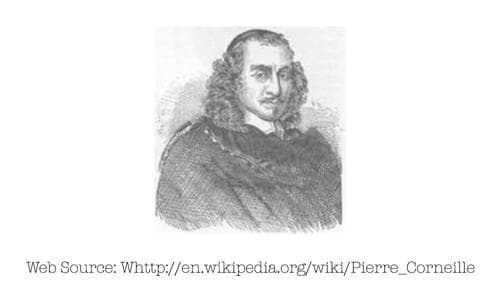
Pierre Corneille (1871)

Genre

General

Reading Time

120 min

Key Themes

See below

Track Your Reading

Sign in to track this book

In 17th-century Seville, a young nobleman is torn between his passionate love for Chimène and his filial duty to avenge his father's honor, even if it means fighting her father to the death.

Core Idea

Corneille's "Le Cid" shows how honor and vengeance trap aristocrats. Societal rules force people into cycles of violence, overriding personal desires and love. The play suggests that true resolution comes not from individual choice or clear morals, but from a ruler's strategic intervention. This intervention, while seeming to restore order, creates a fragile and morally unclear peace. It highlights the tragic situation of characters who must choose between love, duty, and their family's name.
Reading time
120 min
Difficulty
Medium
✓ Read this if...
You are interested in classic French tragedy, the conflict between love and honor, or the role of the state in resolving personal feuds.
✗ Skip this if...
You prefer modern prose, fast-paced plots without extensive soliloquies, or stories with clear-cut heroes and villains.

Core idea

The central argument and framework that powers the entire book.

Corneille's "Le Cid" shows how honor and vengeance trap aristocrats. Societal rules force people into cycles of violence, overriding personal desires and love. The play suggests that true resolution comes not from individual choice or clear morals, but from a ruler's strategic intervention. This intervention, while seeming to restore order, creates a fragile and morally unclear peace. It highlights the tragic situation of characters who must choose between love, duty, and their family's name.

At a glance

Reading time

120 min

Difficulty

Medium

Read this if...

You are interested in classic French tragedy, the conflict between love and honor, or the role of the state in resolving personal feuds.

Skip this if...

You prefer modern prose, fast-paced plots without extensive soliloquies, or stories with clear-cut heroes and villains.

Key Takeaways

1

Honor's Iron Cage

The relentless grip of societal honor dictates impossible choices and tragic outcomes.

Quote

My arm, to maintain my honor, has shed the blood of your father; it has offered you a sacrifice, and I offer myself to you.

Corneille's 'Le Cid' shows the power of honor in 17th-century Spanish society. Characters are not free; they are bound by personal and family reputation. Don Rodrigue and Chimène, in love, face a conflict when Rodrigue must avenge his father by killing Chimène's father. This act upholds his family's standing but also demands Chimène's vengeance. This creates a paradox where love and duty destroy each other. The play argues that this rigid code, meant to keep order, sacrifices individual happiness and moral integrity for public image, ...

Supporting evidence

The initial duel between Don Rodrigue and Don Gomès (Chimène's father) is not a personal squabble but a direct consequence of Don Gomès striking Don Diègue (Rodrigue's father) and thereby dishonoring his lineage. Rodrigue, though young and in love with Chimène, is compelled by his father's plea to restore family honor, even if it means killing his beloved's father.

Apply this

Reflect on modern societal pressures that, while not as overtly violent, still compel individuals to act against their personal desires for the sake of reputation, career, or family expectations. Identify where these 'honor codes' still operate in your life and evaluate their true cost.

honor-codesocietal-pressureduty-vs-lovetragic-dilemma
2

The Absurdity of Vengeance

The pursuit of revenge, mandated by honor, perpetuates a cycle of violence and sorrow.

Quote

My father is dead, and the first duty, the most sacred, is to avenge him.

'Le Cid' reveals the destructive nature of a society built on constant vengeance. After Don Rodrigue kills Don Gomès, Chimène, despite loving Rodrigue, must seek his death by the same honor code. This is not a personal vendetta from hatred, but a societal demand for her to honor her deceased father. The play shows how this system, instead of bringing justice or resolution, only increases suffering and creates an unbreakable chain of retribution. Corneille questions the idea that violence can truly 'balance' justice when it only leads ...

Supporting evidence

Chimène's repeated pleas to the King for Rodrigue's execution, even after he has proven himself a hero in battle, are driven purely by the societal expectation of vengeance for her father's death. Her internal conflict is profound, but her external actions are dictated by this unyielding code, making her a tragic figure caught between love and duty.

Apply this

Consider how cycles of blame or retaliation, even in minor conflicts, can escalate and prevent resolution. Practice 'breaking the chain' by choosing empathy or forgiveness over the immediate satisfaction of 'getting even' in personal or professional disagreements.

vengeance-cycleretributionmoral-dilemmajustice-critique
3

Love's Tragic Impasse

Deep affection is powerless against the crushing weight of public duty and familial honor.

Quote

Go, I do not hate you; how could I hate the hand that gave me victory?

The main tragedy of 'Le Cid' is the deep, unresolved conflict between Don Rodrigue and Chimène's love and their duties to honor. Their love is real and strong, but outside societal demands constantly block it. Rodrigue must kill Chimène's father, and Chimène must seek Rodrigue's death. Even when Rodrigue becomes a national hero, their personal tragedy remains. Corneille suggests that in a society ruled by such strict codes, individual happiness, especially romantic love, is secondary and often sacrificed. The play makes us face the pa...

Supporting evidence

Despite Rodrigue saving the kingdom from the Moorish invasion, earning him the title 'Le Cid,' Chimène's obligation to avenge her father persists. Her internal struggle is palpable when she must simultaneously acknowledge his heroism and demand his execution, showing how duty overpowers even profound gratitude and lingering affection.

Apply this

Reflect on situations where personal desires or relationships have been compromised by external expectations (career, family, social standing). Consider the cost of prioritizing external validation over personal fulfillment and how to navigate such conflicts more authentically.

forbidden-lovelove-vs-dutyromantic-tragedysocietal-constraints
4

The King's Strategic Hand

Political pragmatism and the need for stability ultimately override strict adherence to honor.

Quote

Time will accomplish what your love and your honor could not.

While individual characters are trapped by honor, the King in 'Le Cid' represents a higher, more practical authority. He is not above the code, but his main concern is the stability of his kingdom. He sees the absurdity of endless vengeance and seeks a resolution that serves the greater good, even if it means bending traditional honor. His decision to delay Chimène's marriage to Rodrigue, rather than deny her vengeance, is a strategic move. It allows time and circumstances (Rodrigue's heroism, the Moorish threat) to soften her resolve...

Supporting evidence

The King orchestrates the duel between Rodrigue and Don Sanche, not necessarily to determine guilt, but to provide a formal, public resolution to the conflict. His ultimate decree that Chimène marry Rodrigue after a year, after Rodrigue has further proven his worth and the kingdom has healed, highlights his strategic manipulation of time and public perception.

Apply this

Analyze situations where personal justice or strict adherence to rules might conflict with a broader, more pragmatic goal. Practice identifying moments where a 'cooling-off period' or a strategic delay can lead to a more favorable long-term outcome in conflicts.

political-pragmatismstatecraftroyal-authoritystrategic-thinking
5

Heroism's Double-Edged Sword

Great deeds can save a nation but cannot erase personal guilt or resolve internal conflict.

Quote

My arm, which has saved the state, is stained with the blood of your father.

Don Rodrigue's change into 'Le Cid,' the national hero who defeats the Moorish invasion, is an important moment. This heroism raises his status and makes him essential to the kingdom. However, Corneille shows that this public glory does not erase his personal 'crime' in Chimène's eyes, nor does it lessen his own suffering. He remains the killer of her father, and his bravery, though celebrated by the state, constantly reminds him of the conflict between him and his beloved. The play suggests that while society might forgive past wrong...

Supporting evidence

Despite Rodrigue's victory over the Moors, which brings immense relief and admiration from the King and the populace, Chimène still insists on his punishment. Her line, 'Though he has saved the state, he has killed my father,' encapsulates the disconnect between public heroism and private tragedy.

Apply this

Consider how public achievements or accolades might mask unresolved personal conflicts or internal struggles. Reflect on the importance of addressing personal issues directly, rather than hoping external success will magically resolve them.

heroism-burdenpublic-vs-privatemoral-ambiguitypersonal-guilt
6

The Power of Appearance

Societal perception and adherence to established norms often outweigh true feelings or intent.

Quote

It is not the deed that matters, but the honor that one loses.

'Le Cid' shows how powerful appearance and reputation are. Characters constantly think about how society will see their actions, and this external judgment often guides their choices more than their inner desires. Chimène, for example, must publicly demand vengeance for her father, even if she secretly loves Rodrigue, because not doing so would brand her as dishonorable. Similarly, Rodrigue must fight, not just for his father's honor, but to keep his own standing and avoid public shame. Corneille criticizes a society where one's publi...

Supporting evidence

Chimène's internal monologue reveals her anguish and enduring love for Rodrigue, yet her public actions are entirely focused on prosecuting him. Her insistence on seeking justice, even when it causes her immense pain, is a testament to the societal pressure to maintain appearances of honor and duty.

Apply this

Examine situations where you or others have prioritized 'what others will think' over genuine feelings or needs. Practice making choices based on your authentic self, even when it means challenging societal expectations or risking disapproval.

reputation-managementsocial-perceptionperformative-roleshonor-culture
7

Women as Pawns

Female characters are often instruments of male honor, their agency severely restricted.

Quote

I will pursue him even to the tomb, and if I do not find him there, I will go beyond.

Chimène, though strong-willed, is a pawn in a male-dominated world of honor and war. Her worth is tied to her family line and her role in upholding her family's honor or providing a strategic marriage. She cannot follow her heart, as her love for Rodrigue is secondary to her duty to avenge her father. Even her final 'resolution' – marrying Rodrigue after mourning – is dictated by the King for political stability, not her personal choice. Corneille quietly highlights the limits placed on women in this era, where their emotional lives a...

Supporting evidence

Chimène's only means of 'action' is to appeal to the King for justice against Rodrigue, an action mandated by her father's death. She cannot directly fight, nor can she simply forgive, as both would be seen as dishonorable for a woman of her standing. Her choices are severely circumscribed by her gender and societal role.

Apply this

Consider how gendered expectations or historical power imbalances still influence roles and choices in modern society. Challenge assumptions about who should act in certain ways and advocate for greater agency and self-determination for all individuals.

gender-rolespatriarchyfemale-agencysocietal-limitation
8

The Weight of Inheritance

Characters are burdened by the legacy of their ancestors, shaping their identities and destinies.

Quote

My noble birth, your great name, your high courage, I must avenge you.

The idea of inherited honor and reputation is key to 'Le Cid.' Characters are not just individuals but representatives of their families. Don Diègue's insult to Don Gomès is not just a personal offense but a stain on his entire family's honor, which Rodrigue must then clean. Similarly, Chimène's duty to avenge her father is a direct inheritance of his honor. This burden of ancestry means personal choices are rarely truly personal; they are extensions of a family's history and future standing. Corneille shows how this inherited weight ...

Supporting evidence

Don Diègue, despite his age and inability to fight, immediately demands that his son, Rodrigue, take up the sword to defend the family honor. This demonstrates the intergenerational transfer of duty and the expectation that the younger generation will uphold the legacy of the elder.

Apply this

Reflect on the 'inherited' expectations or values from your family or cultural background. Identify which of these are empowering and which might be limiting, and consciously decide which legacies you want to uphold or redefine for yourself.

inherited-honorancestral-legacyfamilial-dutygenerational-burden
9

Moral Ambiguity of Victory

Success in battle does not equate to moral rectitude or personal happiness.

Quote

Victory, however glorious, cannot give me back what I have lost.

Rodrigue's military wins, first in the duel and then against the Moors, are clear triumphs that save the kingdom. Yet, 'Le Cid' does not present these victories as entirely good. Each win is mixed with tragedy and moral uncertainty. His victory over Don Gomès creates the central conflict with Chimène. His victory against the Moors, though celebrated, does not remove the blood on his hands or Chimène's grief. Corneille challenges the simple idea that military success always leads to a just or happy outcome. Instead, he shows that even ...

Supporting evidence

After Rodrigue's triumphant return from battling the Moors, Chimène, rather than rejoicing, is further compelled by her honor to seek his death. The kingdom celebrates him, but her personal anguish remains, highlighting the disconnect between public success and private sorrow.

Apply this

Consider situations where a 'win' in one area (career, competition) has come at a significant personal or ethical cost. Reflect on what true success means to you, beyond external achievements, and prioritize outcomes that align with your values.

moral-costhollow-victoryethical-dilemmapersonal-sacrifice
10

The Imposition of Resolution

True reconciliation is often sacrificed for an imposed, politically expedient ending.

Quote

Take heart, Chimène: you see a King who loves you, and who will force you to be happy.

The play ends with the King imposing a resolution: Chimène must marry Rodrigue after a year, allowing time to heal wounds and for Rodrigue to prove his worth. This ending provides closure but is not a true reconciliation from the protagonists' free will or emotional healing. Instead, it's a practical, political decision to unite two powerful families and secure the kingdom's future, using Rodrigue's heroism. Corneille leaves the audience with a sense of unease; is this 'happiness' truly possible when forced? The ending emphasizes that...

Supporting evidence

The King explicitly states that Chimène will be 'forced to be happy,' highlighting the coercive nature of the resolution. Her final lines are not of joyful acceptance but of resignation, acknowledging her duty to the King's command rather than expressing renewed love or forgiveness for Rodrigue.

Apply this

Identify situations where a conflict has been 'resolved' by an external authority or through compromise that doesn't fully address underlying issues. Practice seeking genuine understanding and mutually agreeable solutions rather than simply accepting imposed peace.

forced-resolutionpolitical-marriageunresolved-conflictpragmatic-ending

Critical analysis

Notable Quotes

Ô rage ! ô désespoir ! ô vieillesse ennemie ! N'ai-je donc tant vécu que pour cette infamie ?

Don Diègue laments his inability to defend his honor due to old age, after being slapped by Don Gormas.

À vaincre sans péril, on triomphe sans gloire.

Don Rodrigue considers the challenge and glory of confronting Don Gormas, his beloved Chimène's father, in a duel.

Je suis jeune, il est vrai ; mais aux âmes bien nées, La valeur n'attend point le nombre des années.

Don Rodrigue asserts his readiness and capability for battle and defending his honor, despite his youth.

Va, cours, vole et nous venge.

Don Diègue instructs his son, Don Rodrigue, to avenge the family honor by dueling Don Gormas.

Percé de mille coups, il est tombé sans vie.

A messenger describes the fate of the Moorish king, in reference to Rodrigue's military prowess.

Cet hymen m'est fatal, je le crains, je l'appréhende.

Chimène expresses her apprehension about marrying Don Rodrigue, despite loving him, due to the conflict with her father.

Mon unique espérance est mon désespoir même.

Chimène reflects on her conflicting emotions, where her love for Rodrigue is intertwined with her duty to avenge her father.

Qui m'aime bien, me bat bien.

Don Rodrigue uses this proverb to express his understanding of Chimène's actions, knowing her love for him despite her calls for his death.

Un père est offensé, ma gloire est attaquée.

Chimène justifies her pursuit of justice against Rodrigue, emphasizing her father's honor and her own reputation.

L'honneur est une vertu qui n'a point de mesure.

Don Diègue explains the absolute nature of honor to his son, emphasizing its paramount importance.

Plût à Dieu qu'avec lui je perdisse la vie !

Chimène expresses her wish to die with Rodrigue, revealing the depth of her love despite her duty to seek his death.

Rodrigue a combattu, Rodrigue a vaincu.

A servant reports Rodrigue's victory in the duel against Don Gormas.

Ce que le Ciel voudra, le temps le pourra faire.

The King offers a resolution, suggesting that time will heal wounds and allow for a future reconciliation between Rodrigue and Chimène.

Quiz

Test Your Knowledge

Ready to see how well you understood this book? Take our interactive quiz with 10 questions.

10
Questions
~5
Minutes
?
Best Score

Key Questions (FAQ)

'Le Cid' is a tragicomedy by Pierre Corneille, set in medieval Spain, that explores the conflict between love and duty. It tells the story of Rodrigue and Chimène, whose families are embroiled in a deadly feud, forcing them to choose between their personal feelings and their honor.

About the author

Pierre Corneille

Pierre Corneille was a French tragedian. He is generally considered one of the three great seventeenth-century French dramatists, along with Molière and Racine.