BookBrief
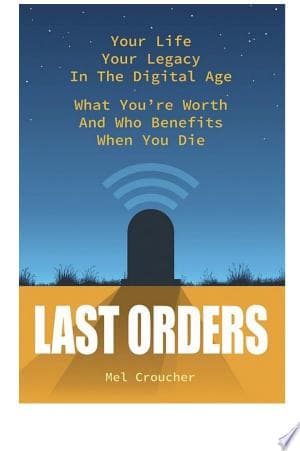
Last Orders cover
Archivist's Choice

Last Orders

Mel Croucher (2017)

Genre

General

Reading Time

12 Minutes

Key Themes

See below

Track Your Reading

Sign in to track this book

This practical guide explains end-of-life planning, offering clear steps to organize wills, digital legacies, and final wishes, ensuring peace of mind for the living and respect for the departed.

Core Idea

Mel Croucher's "Last Orders" is a poignant and often humorous retrospective on the early days of the British video game industry, viewed through the eyes of one of its most eccentric and pioneering figures. It argues that the industry, born from a chaotic mix of bedroom coders, ambitious entrepreneurs, and sheer luck, was fundamentally shaped by its unique characters and their often-unconventional approaches to technology and business. The book suggests that this period, marked by both brilliant innovation and spectacular failures, laid the groundwork for the global phenomenon gaming would become, while also lamenting the loss of its original, anarchic spirit.
Difficulty
Easy

Core idea

The central argument and framework that powers the entire book.

Mel Croucher's "Last Orders" is a poignant and often humorous retrospective on the early days of the British video game industry, viewed through the eyes of one of its most eccentric and pioneering figures. It argues that the industry, born from a chaotic mix of bedroom coders, ambitious entrepreneurs, and sheer luck, was fundamentally shaped by its unique characters and their often-unconventional approaches to technology and business. The book suggests that this period, marked by both brilliant innovation and spectacular failures, laid the groundwork for the global phenomenon gaming would become, while also lamenting the loss of its original, anarchic spirit.

At a glance

Difficulty

Easy

Key Takeaways

1

Confronting Mortality: The First Step to Control

Acknowledging death isn't morbid; it's empowering and practical.

Quote

The only certainties in life are death and taxes, yet only one is consistently ignored until it's too late.

Croucher argues that our society's avoidance of discussing death leads to a lack of preparation, causing stress for loved ones. The book directly challenges this taboo, presenting death not as something to fear but as an inevitable event requiring planning. By facing our mortality, we can make informed decisions about our future and legacy. This initial mental shift is important, as it supports all later practical steps. Without accepting this basic truth, the detailed advice on wills, digital legacies, and funeral arrangements might ...

Supporting evidence

The book's entire premise is built upon the observation that most people avoid end-of-life planning, leading to a scramble when death occurs, often leaving families with difficult decisions and administrative burdens.

Apply this

Start by simply acknowledging your own mortality. This isn't about dwelling on death, but about recognizing it as a future event you can plan for, just like retirement or a major purchase. Discussing it openly with a trusted friend or family member can be a good first step.


2

The Digital Afterlife: Protecting Your Online Legacy

Your digital footprint extends beyond your life; manage it proactively.

Quote

In the digital age, your online identity doesn't die with you unless you specifically instruct it to.

One of the most current aspects of 'Last Orders' is its focus on the digital legacy. Croucher details the complexities of managing online accounts, from social media and email to banking apps and cryptocurrency. He points out that digital assets can be lost or misused without clear instructions, causing emotional distress. The book outlines practical steps like naming a digital executor, making a list of accounts with passwords (securely), and understanding platform policies for memorialization or deletion. This argument relies on pla...

Supporting evidence

The book provides examples of social media accounts remaining active indefinitely, sometimes leading to distress for families, or digital assets becoming inaccessible without login details.

Apply this

Create a 'digital inventory' of all online accounts, including usernames, passwords (stored securely, perhaps encrypted), and instructions for each. Designate a digital executor who knows how to access this information and understands your wishes for memorialization, deletion, or transfer of assets.

3

The Power of a Comprehensive Will

Beyond assets, a will is your final voice and a gift to your loved ones.

Quote

A will isn't just about money; it's about clarity, peace of mind, and preventing family disputes.

Croucher gives significant attention to the will, not just as a legal document for assets, but as a complete statement of one's final wishes. He explains the process, describing different types of wills, the executor's role, and the need for regular review. The book highlights common problems, such as dying without a valid will and the specific issues for blended families or digital assets. While the book provides a solid framework, readers in specific places would still need legal advice. Its true value is in helping people understan...

Supporting evidence

Croucher cites statistics and common scenarios where the absence of a will leads to protracted legal battles, significant emotional distress, and assets not being distributed according to the deceased's likely wishes.

Apply this

Draft or update your will, ensuring it covers all physical and digital assets, designates guardians for dependents, and clearly names executors. Review it every 3-5 years or after significant life events (marriage, divorce, birth, death).

4

Planning Your Final Years: Quality of Life Directives

Take control of your end-of-life care and medical decisions.

Quote

Don't leave your final years to chance or the difficult decisions of others.

Beyond the will, Croucher emphasizes planning for the 'final years' themselves. This includes creating medical directives like advance care plans, living wills, and appointing a lasting power of attorney for health and welfare. The book stresses the importance of clearly stating preferences for life-sustaining treatment, pain management, and the desired environment for end-of-life care. This is a sensitive but critical section, encouraging open discussions with family and medical professionals. While legal specifics vary by region, th...

Supporting evidence

The author provides examples of families struggling with difficult medical decisions for incapacitated loved ones when no clear directives were in place, leading to guilt and conflict.

Apply this

Create an advance care plan or living will, outlining your preferences for medical treatment, resuscitation, and end-of-life care. Appoint a trusted individual as your medical power of attorney and discuss your wishes with them thoroughly.

5

The Financial Reckoning: What Are You Worth?

Understand your assets and liabilities for accurate estate planning.

Quote

Knowing your net worth isn't just for the rich; it's essential for everyone to plan their legacy.

Croucher guides readers through assessing their financial worth, including obvious assets like property and savings, as well as pensions, investments, insurance policies, and sentimental items. He also prompts an inventory of liabilities, such as debts, mortgages, and outstanding obligations. This financial audit is presented as a first step for estate planning, allowing for accurate distribution and minimizing unforeseen burdens on beneficiaries. The book's method simplifies what can seem like a large task, breaking it into manageabl...

Supporting evidence

The book includes worksheets and checklists designed to guide readers through a systematic inventory of all assets and liabilities, highlighting often-overlooked categories like digital financial accounts or collectables.

Apply this

Conduct a thorough financial audit. List all assets (property, bank accounts, investments, pensions, insurance, valuable possessions) and all liabilities (debts, mortgages, loans). Keep this updated and accessible to your executor.

6

Funeral Wishes: A Final Expression of Self

Planning your funeral offers peace of mind and reflects your individuality.

Quote

Your funeral is your last opportunity to express who you were and what mattered to you.

This section of 'Last Orders' encourages readers to consider their funeral arrangements with the same care as other life events. Croucher covers various choices, from traditional burials and cremations to more modern or eco-friendly options. He emphasizes pre-planning and pre-payment (if desired) to reduce financial and emotional stress on grieving families. The book prompts reflection on details like music, readings, attendees, and the service's tone, allowing for a personalized farewell. This is an empathetic part of the book, recog...

Supporting evidence

Croucher highlights cases where families disagree on funeral arrangements or face unexpected costs, demonstrating the value of clear, pre-stated wishes and even pre-paid plans.

Apply this

Document your funeral preferences: burial or cremation, location, specific music, readings, dress code, and any desired post-funeral gathering. Consider discussing these wishes with close family members.

7

The 'Last Orders' Binder: Centralizing Critical Information

A physical or digital repository is key to organized legacy management.

Quote

All the planning in the world is useless if your loved ones can't find the instructions.

Croucher's practical advice ends with the recommendation to create a comprehensive 'Last Orders' binder or secure digital file. This central place would contain all important documents, contact information for key professionals (lawyers, financial advisors), lists of assets and liabilities, digital account details, funeral wishes, and medical directives. The focus here is on accessibility for designated individuals, ensuring that all the thoughtful planning is not wasted due to disorganization. This is a highly actionable idea, turnin...

Supporting evidence

The book repeatedly refers to the 'Last Orders' binder as the ultimate output of the entire planning process, providing checklists for its contents and guidance on where to store it securely but accessibly.

Apply this

Compile all your end-of-life documents (will, medical directives, financial statements, digital inventory, funeral wishes) into a single, clearly labeled physical binder or an encrypted digital folder. Inform your executor and a trusted family member of its location and how to access it.

8

Review and Update: Legacy is an Ongoing Process

Life changes; your 'Last Orders' should too.

Quote

Your life isn't static, and neither should your end-of-life plans be.

A critical, often overlooked, idea from 'Last Orders' is the need to regularly review and update one's plans. Croucher points out that wills, medical directives, and digital inventories are not 'set it and forget it' documents. Life events such as marriage, divorce, births, deaths, career changes, or significant financial shifts require revisions. Even technological advances mean digital legacy instructions might need updating. This idea prevents plans from becoming outdated and potentially causing more problems than they solve. The b...

Supporting evidence

The author provides scenarios where outdated wills or digital instructions caused complications for families, emphasizing the importance of regular review after major life events or technological shifts.

Apply this

Schedule a recurring annual or bi-annual review of all your end-of-life documents and the 'Last Orders' binder. Update any sections affected by changes in your personal life, relationships, finances, or technological landscape.

9

The Gift of Preparation: Alleviating Family Burden

Your proactive planning is the ultimate kindness to your loved ones.

Quote

The greatest gift you can leave your family isn't just your assets, but the peace of mind that comes from knowing everything is handled.

Croucher consistently presents end-of-life planning not as a grim task, but as an act of love and consideration. The book often returns to the theme of lessening the emotional and logistical burdens on grieving family members. By taking the time to organize finances, express wishes, and document decisions, individuals spare their loved ones from difficult choices, potential disputes, and administrative problems during a time of immense grief. This perspective changes the entire process from a chore to a heartfelt gesture. This is a st...

Supporting evidence

Throughout the book, the author interweaves anecdotes and hypothetical situations where families faced unnecessary distress due to a lack of planning, contrasting these with the relief felt when clear instructions were provided.

Apply this

Approach your end-of-life planning with the mindset that you are giving a gift to your family. Communicate your intentions and the location of your 'Last Orders' to key family members, assuring them that you've taken care of everything.

Critical analysis

Notable Quotes

Quiz

Test Your Knowledge

Ready to see how well you understood this book? Take our interactive quiz with 10 questions.

10
Questions
~5
Minutes
?
Best Score

Key Questions (FAQ)

Last Orders is a practical guide that helps you plan for the end of your life. It covers everything from estimating your lifespan and financial worth to organizing your will, digital legacy, and final arrangements like funerals.

About the author

Mel Croucher

Mel Croucher is a British entrepreneur and video games pioneer. Originally an architect, he moved into computers and in 1977 launched one of the very earliest games companies, Automata UK, as an extension of his publishing business. He is now credited for setting up "the first games company in the U.K.", celebrated as "the father of the British videogames industry" and presented as "a pioneer in affective computing". His first broadcasts of computer game software were made over AM and FM radio. After the release of the Sinclair ZX81, his label published several games for the early home computer market, including three Computer Trade Association award-winners: Pimania (1982), Groucho, and the groundbreaking "multi-media" title Deus Ex Machina (1984). Croucher has championed immersive entertainment throughout his career as director and producer, mixing audio, video, spoken word, real-world locations and computer-generated effects.