The Righteous Rebel
John Brown's uncompromising moral stance against slavery defined his life and actions.
Quote
The price of freedom is eternal vigilance, and the price of human liberty is the blood of the oppressor.
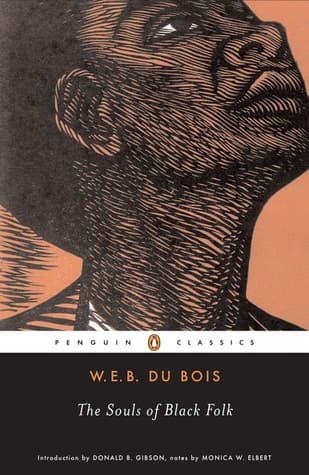
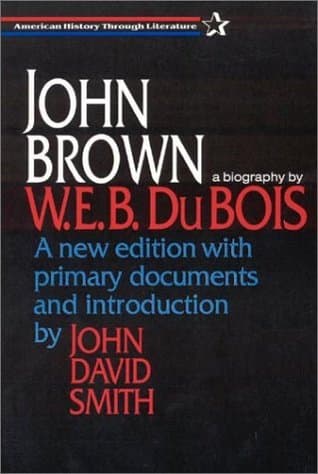
Du Bois shows John Brown not as a madman, but as a deeply religious and morally driven person who saw slavery as an evil that could not be tolerated. Brown's Calvinist upbringing gave him a strong sense of justice and a belief in direct action to correct wrongs. Unlike many abolitionists who favored political or persuasive methods, Brown believed that slavery was so violent and immoral it required a violent response. His firm conviction, even when widely condemned, came from a deep spiritual certainty that he was an instrument of God'...
Supporting evidence
Du Bois details Brown's early life and the profound influence of his father's abolitionist views and his own reading of the Bible, which led him to dedicate his life to fighting slavery. His vow at a young age to dedicate his life to ending slavery serves as a foundational example.
Apply this
Reflect on personal moral convictions. When confronting systemic injustice, consider whether incremental change is sufficient or if more direct, disruptive action is morally imperative. Understand that deeply held moral beliefs can lead individuals to actions deemed radical by the status quo.