BookBrief
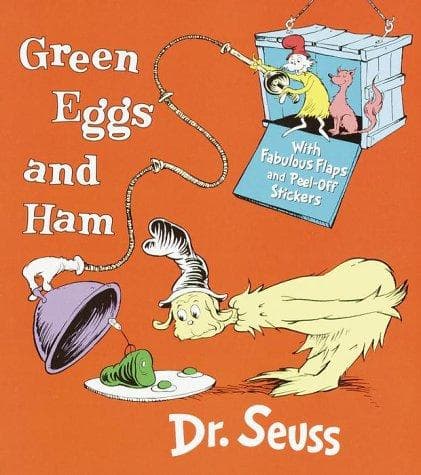
Green Eggs and Ham : A Magnetic Play Book cover
Archivist's Choice

Green Eggs and Ham : A Magnetic Play Book

Genre

General

Reading Time

5 min

Key Themes

See below

Track Your Reading

Sign in to track this book

Join Sam-I-Am on a rhyming, magnetic quest to convince a stubborn friend that green eggs and ham are a delectable treat, whether in a house, with a mouse, or on a train!

Core Idea

Dr. Seuss's 'Green Eggs and Ham' is a masterclass in the power of persistence and the transformative potential of experiential learning. The narrative follows Sam-I-Am's relentless, almost badgering, attempts to convince a grumpy unnamed character to try a peculiar dish. Initially, the character vehemently refuses, based purely on preconceived notions and a lack of direct experience. However, Sam-I-Am's unwavering determination, coupled with a systematic exploration of various contexts, eventually wears down the resistance. The core message is that often our strongest objections are unfounded, and a simple, direct experience can shatter deeply held assumptions, leading to unexpected enjoyment and a broadened perspective. It champions the idea that sometimes, you just have to try something new, regardless of how strange it seems at first.
Reading time
5 min
Difficulty
Easy
✓ Read this if...
You appreciate a story that humorously illustrates the importance of not giving up, the benefits of trying new things, and how context can sway opinions. It's also great for understanding how a simple, repeated request can eventually lead to a breakthrough.
✗ Skip this if...
You dislike repetitive narratives or prefer stories with complex plots and deep character development. If you're looking for a serious philosophical treatise on human nature, this might be too simplistic.

Core idea

The central argument and framework that powers the entire book.

Dr. Seuss's 'Green Eggs and Ham' is a masterclass in the power of persistence and the transformative potential of experiential learning. The narrative follows Sam-I-Am's relentless, almost badgering, attempts to convince a grumpy unnamed character to try a peculiar dish. Initially, the character vehemently refuses, based purely on preconceived notions and a lack of direct experience. However, Sam-I-Am's unwavering determination, coupled with a systematic exploration of various contexts, eventually wears down the resistance. The core message is that often our strongest objections are unfounded, and a simple, direct experience can shatter deeply held assumptions, leading to unexpected enjoyment and a broadened perspective. It champions the idea that sometimes, you just have to try something new, regardless of how strange it seems at first.

At a glance

Reading time

5 min

Difficulty

Easy

Read this if...

You appreciate a story that humorously illustrates the importance of not giving up, the benefits of trying new things, and how context can sway opinions. It's also great for understanding how a simple, repeated request can eventually lead to a breakthrough.

Skip this if...

You dislike repetitive narratives or prefer stories with complex plots and deep character development. If you're looking for a serious philosophical treatise on human nature, this might be too simplistic.

Key Takeaways

1

The Power of Persistence

Unwavering effort can overcome initial resistance and lead to new discoveries.

Quote

I do not like them, Sam-I-Am. I do not like green eggs and ham.

The protagonist, Sam-I-Am, demonstrates an extraordinary level of persistence in his quest to convince the unnamed character to try green eggs and ham. Despite repeated and emphatic rejections, Sam-I-Am continues to offer the dish in various locations and with different companions. This relentless pursuit highlights how consistent effort, even in the face of strong opposition, can eventually wear down resistance. The narrative illustrates that sometimes, people need multiple exposures or different contexts to consider something new. T...

Supporting evidence

Sam-I-Am's repeated offering of green eggs and ham across 10 different scenarios (in a house, with a mouse, in a box, with a fox, in a car, in a tree, on a train, in the dark, in the rain, on a boat).

Apply this

When introducing new ideas or products, anticipate initial resistance and plan for multiple, varied approaches rather than giving up after the first rejection. Focus on creating diverse opportunities for engagement.


persistenceresilienceovercoming-resistancesales-strategy
2

The Value of Experiential Learning

Direct experience often trumps preconceived notions and verbal warnings.

Quote

Say! I like green eggs and ham! I do! I like them, Sam-I-Am!

For much of the book, the unnamed character vehemently rejects green eggs and ham without ever having tasted them. His dislike is based purely on appearance and perhaps an aversion to novelty. It is only when he finally succumbs to Sam-I-Am's persistence and takes a bite that his opinion completely reverses. This dramatic shift underscores the critical role of direct experience in forming preferences and understanding. The narrative suggests that no amount of persuasion or argument can replace the firsthand encounter. Many biases and ...

Supporting evidence

The character's immediate declaration of liking green eggs and ham after the very first taste, despite all prior rejections.

Apply this

When facing skepticism or resistance to an idea, prioritize creating opportunities for direct experience or a 'trial run' rather than relying solely on explanations or arguments. Let the product or idea speak for itself through user engagement.

experiential-learningovercoming-biasfirsthand-experiencetaste-test
3

Challenging Assumptions

Prejudgments can limit one's experiences and prevent the discovery of new enjoyments.

Quote

I would not, could not, in a box. I could not, would not, with a fox.

The unnamed character's refusal to try green eggs and ham is not based on taste, but on an assumption of dislike, likely fueled by the unusual color and perhaps a general aversion to the unfamiliar. This illustrates how preconceived notions can act as significant barriers to exploration and personal growth. The character's initial stance is absolute and unyielding, demonstrating how powerful and limiting such assumptions can be. The story encourages readers to question their own immediate reactions and judgments, especially when they ...

Supporting evidence

The character's repeated refusal to try the food based on its appearance and the sheer variety of contexts in which he still refuses, indicating a deep-seated, unfounded bias.

Apply this

Before dismissing new opportunities, ideas, or even foods, pause to consider if your rejection is based on actual experience or merely on a preconceived notion. Actively seek to challenge your own assumptions.

cognitive-biasopen-mindednessprejudgmentnovelty-aversion
4

The Influence of Context on Acceptance

The environment and companions can subtly shift one's willingness to try new things.

Quote

Not in a house. Not with a mouse. Not in a box. Not with a fox.

Sam-I-Am systematically varies the context in which he offers the green eggs and ham: in a house, with a mouse, in a box, with a fox, in a car, in a tree, on a train, in the dark, in the rain, and on a boat. While the character initially rejects the food in every single scenario, the sheer variety of settings implicitly highlights how context can influence perception and willingness. Although the character's resistance remains steadfast until the very end, the repeated change of scenery and companions serves to chip away at his resolv...

Supporting evidence

Sam-I-Am's deliberate and exhaustive exploration of various locations and companions for offering the green eggs and ham.

Apply this

When presenting a new initiative, consider how different environments, audiences, or framing might impact its reception. Experiment with varying contexts to find the most receptive setting for your message.

contextual-influenceenvironmental-factorsframing-effectsituational-awareness
5

The Power of a Simple Request

Direct and clear requests, even if repeated, are foundational to communication.

Quote

Do you like green eggs and ham?

Sam-I-Am's communication strategy is remarkably simple and direct: he repeatedly asks if the other character likes green eggs and ham and offers them. There is no complex argument, no emotional plea, just a consistent, clear offer. This simplicity is powerful in its clarity and lack of ambiguity. While the character initially says no, the consistent, unchanging nature of Sam-I-Am's offer keeps the core question at the forefront. In communication, especially when trying to introduce something new or overcome resistance, maintaining a c...

Supporting evidence

Sam-I-Am's consistent use of the same core question and offer throughout the book, despite variations in setting.

Apply this

When communicating an important message or making a request, strive for clarity and simplicity. Avoid overcomplicating the message, even if it requires repetition to ensure understanding and consideration.

clear-communicationdirectnesssimplicityconsistent-messaging
6

The Impact of Novelty and Appearance

Unusual characteristics can be an initial deterrent, regardless of intrinsic quality.

Quote

I do not like them. I do not like green eggs and ham.

The primary reason for the unnamed character's initial rejection of the food is its unusual green color. This highlights how novelty, especially when it deviates from established norms (like the color of eggs and ham), can trigger immediate aversion or suspicion. People often rely on visual cues and past experiences to judge new things, and anything that stands out as 'different' can be met with resistance, irrespective of its actual taste or utility. The story subtly points out that appearances can be deceiving and that an unusual pr...

Supporting evidence

The character's immediate and strong dislike, expressed before tasting, which can be inferred to be primarily due to the green color of the food.

Apply this

When introducing a product or idea with novel or unusual characteristics, anticipate initial resistance based on appearance or deviation from norms. Consider strategies to mitigate this, such as emphasizing benefits or offering trials, to move past superficial judgment.

novelty-effectvisual-biasfirst-impressionsproduct-design
7

The Importance of Trying Before Deciding

Making decisions without full information can lead to missed opportunities and incorrect conclusions.

Quote

You do not like them. So you say. Try them! Try them! And you may.

The core lesson for the unnamed character is the importance of trying something before forming a definitive opinion. His repeated rejections are based on an assumed dislike, not an actual taste experience. This illustrates a common human tendency to make judgments based on incomplete information, fear of the unknown, or external influences. The narrative argues that such premature decisions can lead to missing out on potentially enjoyable experiences. By finally trying the green eggs and ham, the character gains complete information, ...

Supporting evidence

The character's unwavering 'I do not like them' before tasting, contrasted with his immediate 'I do like them!' after tasting.

Apply this

Before making a final decision on a new project, strategy, or opportunity, ensure you have gathered sufficient information and, if possible, have direct experience or conducted pilot tests. Avoid making judgments based solely on speculation or superficial observation.

informed-decision-makingevidence-based-decisionscognitive-dissonanceevaluation
8

Overcoming Stubbornness

Deep-seated resistance can be overcome through patient, non-confrontational engagement.

Quote

I would not eat them here or there. I would not eat them anywhere.

The unnamed character exhibits extreme stubbornness, rejecting the green eggs and ham in every conceivable situation and with every companion. This level of resistance could easily deter a less persistent individual. However, Sam-I-Am's approach is not confrontational; he simply continues to offer the food, changing the context without directly arguing or shaming the character. This patient, unwavering, and non-aggressive strategy ultimately wears down the stubbornness. The story suggests that sometimes, the most effective way to over...

Supporting evidence

Sam-I-Am's consistent offering without resorting to anger, threats, or giving up, despite the character's repeated, emphatic rejections.

Apply this

When facing stubborn resistance in team members or clients, avoid direct confrontation. Instead, maintain a patient, consistent approach, offering alternatives and new perspectives over time, allowing them space to come around at their own pace.

stubbornnesspatiencenon-confrontational-communicationbehavioral-change
9

The Power of Positive Reinforcement (Implicit)

Discovering a positive outcome can be a powerful motivator for future openness.

Quote

I do so like green eggs and ham! Thank you, thank you, Sam-I-Am!

While Sam-I-Am doesn't explicitly offer rewards, the sheer delight the unnamed character expresses after finally trying and liking green eggs and ham serves as a powerful form of implicit positive reinforcement. The discovery of enjoyment is its own reward, and this positive experience is likely to make the character more open to trying new things in the future. The story concludes with gratitude, emphasizing that the positive outcome was worth the journey. This highlights how a single positive experience, especially after overcoming ...

Supporting evidence

The character's enthusiastic declaration of liking the food and his heartfelt thanks to Sam-I-Am at the very end of the story.

Apply this

When someone overcomes initial resistance and tries something new, ensure the positive outcome or benefit is clearly recognized and celebrated. This reinforces the behavior and encourages future openness to new ideas and experiences.

positive-reinforcementintrinsic-motivationreward-systembehavioral-psychology

Critical analysis

Notable Quotes

I do not like them, Sam-I-Am. I do not like green eggs and ham.

The main character's initial and persistent refusal of green eggs and ham.

Would you like them here or there?

Sam-I-Am's persistent questioning about location.

I would not like them here or there. I would not like them anywhere.

The main character's absolute rejection of the food in all locations.

I do not like them in a house. I do not like them with a mouse.

Listing specific scenarios where the food is disliked.

I do not like them in a box. I do not like them with a fox.

Further expanding the list of disliked scenarios.

I do not like them here or there. I do not like them anywhere. I do not like green eggs and ham. I do not like them, Sam-I-Am.

A repeated refrain emphasizing the strong dislike.

You do not like them. So you say. Try them! Try them! And you may. Try them and you may, I say.

Sam-I-Am's encouragement for the main character to try the food.

Say! In the dark? Here in the dark! Would you, could you, in the dark?

Sam-I-Am asking about eating the food in the dark.

I would not, could not, in the dark.

The main character's refusal to eat in the dark.

I like green eggs and ham! I do! I like them, Sam-I-Am!

The main character's sudden change of heart after trying the food.

And I would eat them in a boat! And I would eat them with a goat...

The main character now enthusiastically listing all the places and ways he would eat them.

I do so like green eggs and ham! Thank you! Thank you, Sam-I-Am!

The main character expresses gratitude after discovering he likes the food.

Quiz

Test Your Knowledge

Ready to see how well you understood this book? Take our interactive quiz with 10 questions.

10
Questions
~5
Minutes
?
Best Score

Key Questions (FAQ)

It's an interactive version of Dr. Seuss's classic story, 'Green Eggs and Ham,' designed with magnetic pieces. Children can use these pieces to recreate scenes or move characters around the book's pages, adding a tactile element to the reading experience.

About the author

Author information is not available yet.