BookBrief
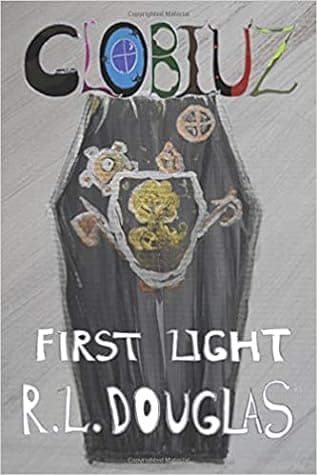
First Light cover
Archivist's Choice

First Light

R.L. Douglas (2018)

Genre

General

Reading Time

360 min

Key Themes

See below

Track Your Reading

Sign in to track this book

A young pig-troll, lured by the promise of gold and a desire to oust cannibal swine-dogs, assembles an unlikely alliance only to discover the true rot in his world extends far beyond the battlefield.

Core Idea

First Light examines the human tendency to seek easy solutions and form alliances based on immediate strength. It shows how these shortcuts lead to decline. Douglas argues that societies, like the fictional Norwin, falter not from outside threats but from losing diverse wisdom, blindly following authority, and failing to see the true sources of power. The book suggests that real strength comes only from building diverse unity, re-evaluating old wisdom, and looking beyond obvious enemies.
Reading time
360 min
Difficulty
Medium
✓ Read this if...
You're interested in geopolitical strategy, societal decline, critical thinking, or leadership dynamics and enjoy allegorical non-fiction that uses a narrative framework to explore complex ideas.
✗ Skip this if...
You prefer straightforward historical accounts, practical self-help, or highly quantitative analysis over philosophical exploration of societal patterns.

Core idea

The central argument and framework that powers the entire book.

First Light examines the human tendency to seek easy solutions and form alliances based on immediate strength. It shows how these shortcuts lead to decline. Douglas argues that societies, like the fictional Norwin, falter not from outside threats but from losing diverse wisdom, blindly following authority, and failing to see the true sources of power. The book suggests that real strength comes only from building diverse unity, re-evaluating old wisdom, and looking beyond obvious enemies.

At a glance

Reading time

360 min

Difficulty

Medium

Read this if...

You're interested in geopolitical strategy, societal decline, critical thinking, or leadership dynamics and enjoy allegorical non-fiction that uses a narrative framework to explore complex ideas.

Skip this if...

You prefer straightforward historical accounts, practical self-help, or highly quantitative analysis over philosophical exploration of societal patterns.

Key Takeaways

1

The Allure of Expedient Alliances

Immediate gain can blind us to the true cost and motivations of our partners.

Quote

It wasn't for free, the Black Dwarfs were mining gold in the Torry catacombs. Such tempting offer lured Binglow and his pig-troll friends to prepare for an ambush...

Binglow's rebellion begins not from a grand vision but from a deal with the Black Dwarfs. This shows a problem in new movements: they can be drawn to easy solutions or powerful helpers whose interests might not match the long-term good of the oppressed. Binglow and his friends are attracted by the promise of help and a chance to fight back, ignoring the Black Dwarfs' goal of exploiting the Torry catacombs. This immediate support gives a false sense of strength, setting a pattern for alliances based on convenience rather than shared va...

Supporting evidence

Binglow and his friends are motivated by the Black Dwarfs' offer of assistance against the Opules, which is explicitly tied to the Dwarfs' gold mining operations in the Torry catacombs.

Apply this

Before committing to any significant undertaking, especially one involving powerful external parties, thoroughly vet their motivations and long-term objectives. Ask: 'What do *they* gain from this, and does it conflict with our core mission?' Never mistake transactional support for genuine solidarity.


transactional-alliancesshort-sighted-decisionshidden-agendas
2

The Illusion of Brute Force

Over-reliance on strength can mask deeper systemic issues and render us ineffective.

Quote

A brutal force was not the point of Norwin, the land that lied in prosperous glens of an upcoming disintegration.

The early attempts by Binglow's alliance to fight the Opules show a mistake: assuming that overwhelming force is the main solution. Even with allies from different regions, their 'awkwardness and inability in expelling the stronger enemy' points to a deeper problem than just fewer numbers. The story states that 'brutal force was not the point of Norwin,' suggesting that the land's problems are not just outside invasions but internal decay. This point shows how focusing only on military power can hide deeper weaknesses, forgotten knowl...

Supporting evidence

The combined forces of Binglow, Kazool, and other allies prove ineffective against the Opules, described as 'awkwardness and inability in expelling the stronger enemy.' The text then contrasts this with the true 'point of Norwin' – its internal disintegration.

Apply this

When facing a seemingly insurmountable problem, resist the urge to immediately escalate force. Instead, pause to analyze the true nature of the challenge. Is it a symptom or the disease? Look beyond immediate threats to identify underlying systemic vulnerabilities or neglected assets that could offer a different path to resolution.

systemic-decaystrategic-blindnessroot-cause-analysis
3

The Fading Echoes of Ancient Wisdom

When vital knowledge is lost or hoarded, a society becomes vulnerable to both external threats and internal stagnation.

Quote

The magic was all forgotten, or hidden in the hands of those, who had barely preserved it.

The discovery that 'magic was all forgotten, or hidden' makes a strong statement about Norwin. This is not just about literal spells; it represents the loss of important knowledge, cultural practices, or unique strengths that once defined and protected the land. When such vital wisdom becomes unavailable – either through neglect ('forgotten') or intentional control ('hidden') – a society loses its resilience and its ability to innovate or defend itself. The Opules' success might not just be due to their strength, but also Norwin's sel...

Supporting evidence

The explicit statement that 'The magic was all forgotten, or hidden in the hands of those, who had barely preserved it' directly links the land's vulnerability to the loss or monopolization of ancient power/knowledge.

Apply this

Actively seek out and preserve knowledge, traditions, and skills that are at risk of being lost, whether in a community, organization, or personal life. Create systems for open sharing and learning, rather than allowing expertise to become isolated or hoarded. Revisit 'old' solutions with fresh eyes; they might hold the answers to 'new' problems.

knowledge-preservationcultural-erosionlost-heritage
4

Beyond the Obvious Enemy

True liberation requires confronting internal failings as much as external invaders.

Quote

The team of the young rebels, at last, had started noticing, that many problems of their lands weren't coming just from the evil intruders of Shakalot, but from something else....

This is a turning point for Binglow's rebellion. At first, the Opules from Shakalot are the clear, visible enemy, an easy target for their anger. However, the growing realization that 'many problems of their lands weren't coming just from the evil intruders... but from something else' marks a key development. It suggests that the outside threat is either a symptom of deeper internal issues, or that the land's own weaknesses allow the invasion. This point criticizes simple 'us vs. them' stories and supports a more complex, self-reflect...

Supporting evidence

The narrative explicitly states the rebels' dawning realization that the problems extend beyond the 'evil intruders of Shakalot,' implying internal factors.

Apply this

When facing a significant challenge, resist the urge to solely blame external forces. After addressing immediate threats, conduct an honest self-assessment: 'How did we contribute to this situation? What internal weaknesses or blind spots made us vulnerable?' Focus on holistic solutions that address both external pressures and internal frailties.

internal-conflictself-reflectionsystemic-problems
5

The Peril of Unquestioned Authority

Even 'allies' with hidden motives can perpetuate cycles of exploitation.

Quote

Of course, it wasn't for free, the Black Dwarfs were mining gold in the Torry catacombs.

The Black Dwarfs' role in 'First Light' is a nuanced look at power. While they present themselves as helping the resistance, their main reason is self-interest – exploiting the Torry catacombs. This shows how even those who seem to offer help can be part of a different kind of oppression. Binglow's initial acceptance of their terms, driven by the immediate need for a strong hand, shows the danger of accepting help without fully understanding the long-term effects or the true cost. This point argues that real freedom is not just about ...

Supporting evidence

The Black Dwarfs' 'tempting offer' for alliance is immediately qualified by their ongoing gold mining operations in the Torry catacombs, revealing their self-serving agenda.

Apply this

Always question the motives behind seemingly generous offers, especially from those in positions of power. Conduct due diligence on all partners, understanding their vested interests and potential conflicts. Ensure that any agreement is truly reciprocal and doesn't inadvertently lead to a new form of exploitation.

power-dynamicsconditional-aidunseen-exploitation
6

The Strength in Diverse Unity

Genuine alliances are forged not just by shared threats, but by embracing varied strengths.

Quote

While scouting over Norwin, he finds more friends from Amber Heights, Kazool and other nooks of the fantasy terrain, to form the alliance.

Binglow's journey from a solo quest to gathering a diverse group of allies from 'Amber Heights, Kazool and other nooks' is important. This is not just about numbers; it is about the potential for different viewpoints, skills, and resources that various regions and peoples bring. While their first attempts at 'brutal force' fail, forming such a broad alliance sets the stage for a more advanced response. This point stresses that real strength in resistance movements comes from variety – combining different cultures, abilities, and under...

Supporting evidence

Binglow actively seeks and finds 'more friends from Amber Heights, Kazool and other nooks of the fantasy terrain, to form the alliance,' demonstrating the intentional gathering of diverse groups.

Apply this

When building a team or movement, actively seek out individuals with different backgrounds, skill sets, and perspectives. Foster an environment where these differences are valued and integrated, rather than homogenized. Understand that a variety of viewpoints leads to more robust and innovative solutions.

coalition-buildingdiversity-advantagecollective-intelligence
7

Norwin's Decline: A Metaphor for Neglect

A land's prosperity can mask underlying decay if its foundations are neglected.

Quote

Norwin, the land that lied in prosperous glens of an upcoming disintegration.

The description of Norwin as 'prosperous glens of an upcoming disintegration' is a sharp contrast that holds meaning. It suggests that outward signs of well-being can be misleading, hiding internal decay or systemic neglect. The land's 'disintegration' is 'upcoming,' implying a slow, perhaps unnoticed, decline that comes before and potentially allows outside threats. This point serves as a strong warning against complacency; a society or organization might seem successful on the surface, but if its core values, infrastructure, or basi...

Supporting evidence

The direct juxtaposition of 'prosperous glens' with 'upcoming disintegration' highlights the hidden decay within Norwin.

Apply this

Regularly assess the underlying health of your projects, relationships, or community, even when things appear to be going well. Don't be fooled by surface-level prosperity; actively look for signs of neglect, erosion, or systemic weaknesses that could lead to future collapse. Proactive maintenance is key to long-term stability.

complacency-riskhidden-vulnerabilitiessustainable-development
8

The Path to True Empowerment

Genuine power comes from rediscovering and harnessing one's own inherent, often forgotten, capabilities.

Quote

The magic was all forgotten, or hidden in the hands of those, who had barely preserved it.

The focus on 'forgotten' or 'hidden' magic suggests that the solutions to Norwin's problems are not outside imports but lie within the land and its people. For Binglow and his allies, real strength will not come from the Black Dwarfs' transactional help or from just copying the Opules' brute force. Instead, it lies in rediscovering and activating their own unique 'magic' – whether it is ancient knowledge, cultural resilience, or inherent abilities that have been neglected. This point argues that authentic strength is self-made, requir...

Supporting evidence

The statement about forgotten/hidden magic implies that the inherent power needed for salvation resides within the land and its few preservers, rather than being an external resource.

Apply this

When faced with a challenge, before seeking external solutions, look inward. What skills, resources, or knowledge do you or your team already possess that are underutilized or forgotten? Invest in rediscovering and developing these inherent strengths, rather than always relying on outside help.

inner-strengthreclaiming-heritageself-reliance

Critical analysis

Notable Quotes

The stars were not just points of light; they were the echoes of creation, each one a story whispered across the vastness of time.

Protagonist's initial contemplation of the night sky.

It was in the quiet moments, between the thrum of the engine and the hum of the universe, that the truest discoveries were made.

Reflecting on the nature of scientific exploration during a long journey.

We seek to understand the universe, but often forget to understand the universe within ourselves.

A philosophical musing by a senior scientist.

The greatest void is not in space, but in the absence of curiosity.

A mentor's advice to a young, aspiring astronomer.

Light, in its essence, is both a messenger and a memory, carrying the past to our present.

Explaining the significance of observing distant celestial bodies.

Every answer found only opens the door to a hundred new questions. That is the true joy of the quest.

Discussing the iterative nature of scientific progress.

To look up is to look back. To understand the cosmos is to understand our origins.

A common refrain among the research team.

The universe doesn't care about our deadlines, only about its own immutable laws.

Facing technical setbacks and the vastness of cosmic timescales.

Sometimes, the most profound revelations come not from what we see, but from what we are finally prepared to perceive.

After a breakthrough observation, reflecting on the team's readiness.

We are stardust, dreaming of stars.

A poetic summary of humanity's connection to the cosmos.

The true measure of our advancement isn't how far we've traveled, but how deeply we've understood what we left behind.

A reflection on the journey of discovery and self-awareness.

Fear is a shadow cast by ignorance. Light, both literal and metaphorical, dispels it.

Overcoming anxieties about the unknown during deep space exploration.

The 'first light' is not just the dawn of the universe, but the ignition of understanding in every curious mind.

Concluding thought on the book's central theme.

Quiz

Test Your Knowledge

Ready to see how well you understood this book? Take our interactive quiz with 10 questions.

10
Questions
~5
Minutes
?
Best Score

Key Questions (FAQ)

'First Light' follows Binglow, a young pig-troll from the Torry Mountains, who teams up with Black Dwarfs and other allies to resist the cannibal swine-dogs known as Opules. The story explores their struggles against a powerful enemy and uncovers deeper issues affecting their lands beyond just the invaders.

About the author