BookBrief
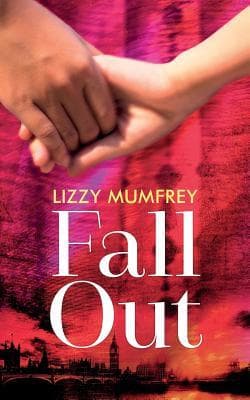
Fall Out cover
Archivist's Choice

Fall Out

Lizzy Mumfrey (2017)

Genre

General

Reading Time

12 Minutes

Key Themes

See below

Track Your Reading

Sign in to track this book

A school trip to London turns into a terrifying event of terrorism, suspicion, and broken lives, revealing hidden prejudices and secrets in a close-knit commuter village.

Core Idea

Lizzy Mumfrey's "Fall Out" delves into the insidious ways political polarization and the erosion of trust can fracture not just a nation, but the very fabric of personal relationships. Through the lens of a seemingly ordinary family caught in an escalating national crisis, the novel explores how individuals grapple with conflicting loyalties, the allure of tribalism, and the devastating consequences when differing ideologies become irreconcilable. It argues that in an era of misinformation and echo chambers, the greatest casualties are often empathy and the ability to find common ground, leaving a legacy of division that permeates every aspect of society, from public discourse to private lives.
Difficulty
Medium

Core idea

The central argument and framework that powers the entire book.

Lizzy Mumfrey's "Fall Out" delves into the insidious ways political polarization and the erosion of trust can fracture not just a nation, but the very fabric of personal relationships. Through the lens of a seemingly ordinary family caught in an escalating national crisis, the novel explores how individuals grapple with conflicting loyalties, the allure of tribalism, and the devastating consequences when differing ideologies become irreconcilable. It argues that in an era of misinformation and echo chambers, the greatest casualties are often empathy and the ability to find common ground, leaving a legacy of division that permeates every aspect of society, from public discourse to private lives.

At a glance

Difficulty

Medium

Key Takeaways

1

The Everyday Vulnerability of Community

Even seemingly idyllic communities are susceptible to external shocks and internal fracturing.

Quote

The quiet hum of village life can be shattered in an instant, revealing the fragile threads that bind us.

Mumfrey shows the commuter village as a small version of modern society. It seems separate but connects to global events. A terrorist attack, far from daily life, reminds everyone that no community, however perfect, is safe from outside threats. This highlights the book's first idea: the false sense of safety in routine. The 'fallout' then shows this safety breaking, revealing the community's weaknesses as residents deal with fear, suspicion, and changing rules. This is the book's best idea, showing how a distant event can change loca...

Supporting evidence

The initial portrayal of the village as 'ordinary' contrasted sharply with the immediate aftermath of the London attack, which directly impacts its residents.

Apply this

Communities should foster resilience and open communication channels to navigate unforeseen crises, understanding that external events can have profound local impacts.


2

The Swift Descent into Irrationality

Fear and grief can quickly erode logic, leading to baseless accusations and prejudice.

Quote

In the face of tragedy, the search for blame often overrides the search for truth.

One of the most powerful parts of 'Fall Out' is how quickly fear turns into prejudice. After the attack, the story carefully tracks the community's move toward unreasonable thinking. People blame others based on looks or old biases, not facts. This shows a dark side of human nature when people face trauma. Mumfrey shows how quickly friendships break under this stress, illustrating how easily social bonds weaken when suspicion rises and people need a scapegoat. This part of the book insightfully portrays post-crisis human psychology.

Supporting evidence

The immediate aftermath of the attack sees characters making prejudiced assumptions about certain residents, despite their long-standing presence in the community.

Apply this

Cultivate critical thinking and empathy, especially during times of crisis, to resist the urge to assign blame based on fear or prejudice.

3

Grief's Diverse and Divisive Manifestations

Individual responses to loss can be so varied they create new rifts within a grieving community.

Quote

Grief is not a single path, but a tangled web that can ensnare and isolate.

The novel shows the many ways people grieve. Instead of one response to loss, Mumfrey presents different reactions among the villagers—from calm to angry, from withdrawn to seeking connection. This variety, though natural, causes division. Characters who grieve differently often misunderstand or resent each other's ways of coping, further straining relationships already hurt by the tragedy. This look at grief shows how personal suffering can isolate people, even in a close community, and how a lack of understanding for different grief...

Supporting evidence

Different families and individuals react to the news of the attack and its casualties in distinct ways, leading to friction and misunderstandings between them.

Apply this

Practice compassion and understanding towards others' grieving processes, recognizing that there is no 'right' way to mourn.

4

The Unveiling of Buried Secrets

Crisis acts as a catalyst, forcing long-held personal and communal secrets to the surface.

Quote

The earthquake of tragedy can expose the fault lines hidden beneath the surface of ordinary lives.

A strong element of 'Fall Out' is how the terrorist attack and its chaos reveal 'buried secrets.' The intense pressure and emotional upset remove pretenses, forcing characters to face truths they had hidden. These secrets include personal mistakes and deeper community problems. This story device shows that crises not only create new problems but also expose existing, unaddressed ones. Revealing these secrets often adds more difficulty to already strained relationships, showing how old, unresolved issues can resurface with bad results ...

Supporting evidence

As the story unfolds, various characters' past relationships, hidden resentments, and clandestine activities come to light, often directly impacting their reactions to the crisis.

Apply this

Acknowledge and address underlying issues in relationships and communities before external pressures force their painful exposure.

5

Teenagers as Unwitting Protagonists

The vulnerability and resilience of adolescents are central to understanding the crisis's impact.

Quote

The innocence of youth is a fragile thing, easily shattered but also capable of surprising strength.

Focusing on the teenagers from the local Academy, who are in the London attack, is an important choice. It shows a specific kind of weakness—young people put into an adult world of terror and loss without the tools to process it. However, it also shows their surprising strength and insight. Mumfrey uses these characters to explore growing up during trauma, forming identity under pressure, and how adolescents process fear and grief. This view offers a sharp contrast to adult reactions, often showing a more raw, yet sometimes more flexi...

Supporting evidence

The entire premise of the school trip to London places the teenagers at the heart of the initial tragedy, and their individual stories are central to the novel's progression.

Apply this

Recognize and support the unique emotional needs of young people during times of crisis, understanding their distinct vulnerabilities and potential for resilience.

6

The Illusion of Control and Agency

In the face of random tragedy, individuals struggle with their perceived loss of control.

Quote

The world can change in an instant, reminding us how little we truly command.

A repeated idea in 'Fall Out' is the characters' struggle with suddenly losing all control. Before the attack, routine and predictable expectations guided their lives. The random nature of the terrorist event breaks this idea of control, leaving many feeling helpless and deeply vulnerable. This struggle often appears as desperate attempts to regain control—by blaming, seeking revenge, or withdrawing completely. Mumfrey shows how this loss of control can be as damaging as the event itself, leading to deep personal crises and a new look...

Supporting evidence

Characters' initial shock and subsequent attempts to understand 'why' or 'who is to blame' stem from a deep-seated need to impose order on a chaotic event.

Apply this

Develop coping mechanisms for uncertainty and embrace the reality that some events are beyond individual control, focusing instead on controllable responses.

7

Media's Role in Amplifying Fear and Misinformation

The constant influx of news and speculation can exacerbate communal anxiety and prejudice.

Quote

The whispers of the screen can become shouts in the mind, distorting reality.

While not a direct media criticism, 'Fall Out' implicitly shows how news and social media shape the community's response. Constant updates, guesses, and often dramatic reporting of the attack and its aftermath feed residents' worries and spread misinformation and prejudice. Fast sharing of incomplete or biased information contributes to the 'unreasonable blame' and 'irrational suspicions' that break friendships. This suggests that in a connected world, even a local tragedy is affected by broader media narratives, which can either info...

Supporting evidence

Characters are frequently seen consuming news, discussing headlines, and reacting to information (or misinformation) circulating online and through local gossip.

Apply this

Practice media literacy and critical evaluation of information, especially during times of crisis, to avoid succumbing to fear-mongering and misinformation.

8

The Enduring Power of Everyday Bonds

Despite fracturing, some relationships prove resilient, offering hope for healing and reconstruction.

Quote

Even in ruin, the roots of connection can endure, promising new growth.

Amidst breaking friendships and revealed secrets, 'Fall Out' also quietly explores the lasting strength of some relationships. While many bonds are permanently damaged, some characters find comfort, support, and even new connections in unexpected places. These strong relationships, old or new, offer hope and show people's ability for empathy and forgiveness. This acknowledges that while crisis can tear communities apart, it can also create new alliances and reveal the true strength of underlying affections, suggesting that healing, th...

Supporting evidence

Despite the widespread conflict, some characters actively support each other, offering comfort and practical help, and some fractured relationships show signs of potential repair by the end.

Apply this

Invest in nurturing strong, empathetic relationships, as these will serve as vital support systems during challenging times.

9

The Long Shadow of Trauma

The 'fallout' extends far beyond immediate casualties, impacting mental and emotional well-being indefinitely.

Quote

The echoes of tragedy resonate long after the initial shock subsides, shaping the landscape of memory.

The title 'Fall Out' itself indicates the book is as much about the lasting effects as the event. Mumfrey shows that the terrorist attack's impact is not just immediate loss of life but creates a 'long shadow' of psychological and emotional trauma affecting survivors, witnesses, and the whole community. This trauma appears in many ways: anxiety, guilt, anger, and a constant feeling of insecurity. The novel does not offer easy solutions, suggesting that healing is long and complex, and some scars may never fully fade. This is a crucial...

Supporting evidence

Characters continue to grapple with flashbacks, survivor's guilt, and altered perceptions of safety long after the initial crisis has passed, indicating ongoing psychological impact.

Apply this

Prioritize mental health support and long-term community care in the aftermath of traumatic events, recognizing the enduring nature of psychological wounds.

10

The Redefinition of 'Normal'

Life after a major crisis is not a return to the old normal, but an adaptation to a new reality.

Quote

The world keeps turning, but the axis has shifted; nothing is quite the same.

Ultimately, 'Fall Out' argues that life after a major traumatic event is not about 'getting back to normal' but about adjusting to a 'new normal.' The community and its residents are permanently changed by the attack. Their ideas of safety, trust, and even their identities are reshaped. Mumfrey avoids a sweet ending, instead showing a more realistic, though difficult, adjustment process. The novel suggests that while communities can rebuild and individuals can heal, the experience leaves a permanent mark, requiring a new definition of...

Supporting evidence

By the novel's conclusion, while some semblance of routine returns, the characters' relationships, priorities, and outlooks have fundamentally shifted, indicating a permanent change rather than a full restoration.

Apply this

Embrace adaptability and psychological flexibility when confronted with life-altering events, understanding that growth often comes from navigating new realities.

Critical analysis

Notable Quotes

Quiz

Test Your Knowledge

Ready to see how well you understood this book? Take our interactive quiz with 10 questions.

10
Questions
~5
Minutes
?
Best Score

Key Questions (FAQ)

'Fall Out' is a novel set in a commuter village where an ordinary day turns extraordinary. A school trip to London coincides with a terrorist attack, triggering a chain of events that profoundly impacts the residents.

About the author