“Perhaps the only way to truly understand a place is to love someone who lives there.”
— Louisa reflecting on India and her growing feelings for Guy.

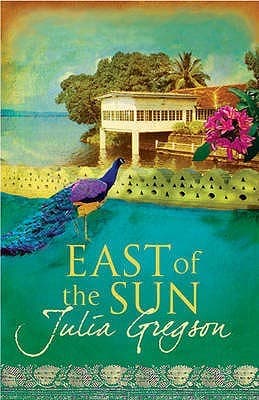
Julia Gregson (2008)
Genre
Lifestyle / Historical Fiction / Romance
Reading Time
10-12 hours
Key Themes
See below
Sign in to track this book
On a 1928 voyage to colonial Bombay, an overwhelmed chaperone shepherds three young women—a naive bride-to-be, a determined virgin, and a disturbed schoolboy—each carrying secrets and hopes into an India far more complex than their English dreams.
In autumn 1928, Viva Hollowat, a young woman with limited experience, takes on the task of chaperoning three young people to India aboard the Kaiser-i-Hind. Her charges include Rose, a beautiful but naive English girl traveling to marry a cavalry officer she barely knows; Victoria, Rose's adventurous bridesmaid, determined to lose her virginity before finding a husband in India; and Guy Glover, a troubled schoolboy. Viva quickly realizes the immense responsibility she has undertaken, struggling to manage their personalities and growing desires amidst the enclosed world of the ocean liner. The journey begins with tension, as each passenger carries their own secrets and expectations for a new life in India.
As the Kaiser-i-Hind sails towards Bombay, the passengers settle into a routine of shipboard life. Viva finds a confidante in the ship's doctor, Dr. Ben Robinson, an older, kind man who offers her advice and support. Rose, despite her impending arranged marriage, is drawn to a charming young man on board, prompting Viva to intervene to maintain decorum. Victoria, true to her word, flirts openly and seeks opportunities for intimacy, often putting Viva in awkward positions. Guy Glover's unsettling behavior continues, causing discomfort and occasionally requiring Viva's firm hand. The voyage becomes a test where the young women's personalities and desires are amplified, testing Viva's resolve.
Upon their arrival in Bombay, the group immediately faces the chaotic realities of colonial India. The heat, the crowds, and the contrast between wealth and poverty are striking. Rose is met by her fiancé, Captain George 'Fitz' Fitzherbert, a dashing but aloof cavalry officer. Their reunion is formal, lacking the romantic spark Rose might have hoped for, and the realities of her impending marriage begin to set in. Victoria is eager to explore the social scene, while Guy Glover's unsettling demeanor seems to worsen. Viva, feeling a mix of relief and renewed apprehension, tries to guide her charges through their initial experiences in this unfamiliar land, grappling with her own sense of displacement.
Rose and Captain Fitzherbert's wedding takes place, but the glamour of a colonial wedding quickly gives way to the harsh realities of her new life as a Memsahib. Rose finds Fitz to be emotionally distant and preoccupied with his military duties and social standing. Her days are filled with the superficialities of colonial society, tea parties, and bridge games, leaving her feeling isolated and unfulfilled. The initial excitement of India fades as she grapples with loneliness and the lack of genuine connection with her husband. Viva witnesses Rose's growing disillusionment, feeling responsible and concerned for the young woman she brought to this fate, highlighting the societal pressures placed upon women in this era.
Victoria, in contrast to Rose, thrives in the social whirl of Bombay. She quickly becomes popular, attending parties and dances, and actively pursuing her goal of losing her virginity and finding a suitable husband. She flirts openly with various officers and eligible bachelors, often pushing the boundaries of what is considered acceptable for a young woman of her status. Viva frequently tries to rein in Victoria's escapades, concerned for her reputation and future. Victoria's pursuit of experience reflects a desire for agency and freedom that was uncommon for women of her time, setting her apart from the more reserved Rose.
As her duties with Rose and Victoria become less demanding, Viva begins to forge her own independent life in Bombay. She takes on work tutoring children and finds purpose beyond chaperoning. Her friendship with Dr. Ben Robinson deepens into a connection. Ben, a compassionate and intelligent man, introduces Viva to a different side of India, away from the colonial elite, showing her the poverty and the work he does with the local population. Their shared interests and mutual respect lead to a romance, offering Viva a sense of belonging and genuine affection she has never experienced before, challenging her initial expectations for her time in India.
Guy Glover's disturbing behavior, which began on the ship, escalates in India. His withdrawn nature, sudden outbursts, and odd actions become a source of concern. He shows signs of deep psychological disturbance, possibly stemming from past trauma. This culminates in a serious incident, possibly involving violence, that impacts one of the other characters or forces Viva to confront the extent of his troubled mind. This event highlights the vulnerability of the young people and the challenges of dealing with mental illness in a society ill-equipped to understand or treat it, adding a dark edge to the narrative.
Through her deepening relationship with Ben, Viva becomes involved in his work with the orphaned children on Tamarind Street. This experience exposes her to the extreme poverty and suffering in India, a stark contrast to the opulent lives of the colonial Memsahibs. Viva dedicates her time and energy to helping these children, finding a sense of purpose and compassion. This work not only broadens her understanding of India but also strengthens her bond with Ben, as they share a common desire to make a difference. The plight of the orphans is a powerful symbol of the social inequalities and struggles beneath the surface of British India.
Driven by her unhappiness with her marriage to Fitz, Rose finally gathers the courage to leave him. This is a radical decision for a woman of her time and social standing. She seeks support from Viva and Ben, who offer her refuge and assistance. Rose then embarks on a journey of self-discovery, eventually finding a meaningful purpose outside the confines of colonial society. This could involve working with the local community, pursuing a forgotten talent, or simply living independently, showing her growth from a naive girl to a resilient woman who takes control of her own destiny.
Victoria, having experienced the social scene and pursued her desires, ultimately makes a choice about her future that might surprise some. While she initially sought a husband, her experiences in India and her independent spirit might lead her to a less conventional path. She might choose a marriage based on affection rather than status, or perhaps even decide to remain single and pursue her own interests. Her character arc reflects a negotiation between her adventurous spirit and the societal expectations placed upon her, showing that even within the constraints of the era, women could find ways to forge their own destinies.
Viva and Ben's relationship deepens into a committed partnership. They decide to build a life together in India, dedicated to their shared values and their work with the local community, particularly the orphans. Viva, who arrived as a timid chaperone, transforms into a strong, independent woman who has found love, purpose, and a home in an unexpected land. Their decision to stay in India, embracing its challenges and its beauty, signifies a rejection of the superficial colonial lifestyle and a commitment to a life of meaning and compassion, culminating Viva's journey of self-discovery and love.
As the story concludes, the lives of Viva, Rose, and Victoria have been altered by their journey to India. Each woman has undergone a transformation, shedding their initial naivety, expectations, or constraints. Viva has found love and purpose; Rose has found freedom and self-worth; and Victoria has found a path that aligns with her independent spirit. The book reflects on the impact of their experiences, the lessons learned, and the ways in which India, with its beauty and its realities, shaped their destinies. The journey East of the Sun became a catalyst for self-discovery and personal liberation for these young women.
The Protagonist
From a hesitant chaperone, Viva transforms into an independent woman who finds love and a meaningful purpose working with the less fortunate in India.
The Supporting
Rose evolves from a naive bride into a woman brave enough to leave an unhappy marriage and forge an independent life.
The Supporting
Victoria navigates the social scene, balancing her desire for independence with the expectations of finding a suitable match.
The Supporting
Guy's behavior escalates, highlighting the challenges of mental illness and the impact of unresolved trauma.
The Supporting
Ben serves as Viva's guide and partner, helping her find purpose and love in India.
The Supporting
Fitz remains largely static, representing the societal constraints and emotional distance that Rose must ultimately escape.
The Supporting
Mrs. Finch-Hatton serves as a representation of established colonial society, a force Viva must learn from and eventually move beyond.
The Mentioned
Their collective plight inspires Viva and Ben to commit to a life of service and compassion in India.
The novel contrasts the romanticized perception of India held by the young English women with the often harsh and complex realities they encounter. Rose's dreams of a grand marriage quickly dissolve into the emptiness of a Memsahib's life, while Viva uncovers the poverty and social stratification through her work with Ben and the orphans on Tamarind Street. The opulent parties and social rituals of the British expatriates hide a world of suffering and inequality, forcing the characters to confront the true nature of their new home and the privileges they hold. This theme is central to the disillusionment experienced by some characters and the awakening of others.
“India was not the jewel in the crown, but a crown of thorns, waiting to prick those who dared to touch it with naive hands.”
A core theme is the struggle of women in the 1920s to find agency and forge independent lives, particularly within the restrictive confines of colonial society. Viva, Rose, and Victoria each grapple with societal expectations for marriage and conduct. Viva moves from a subservient role to one of self-determination, finding love and purpose on her own terms. Rose's decision to leave her unhappy marriage is an act of self-liberation. Victoria, though seemingly superficial, actively pursues her desires and makes choices that align with her independent spirit, challenging the passive role expected of women. Their journeys highlight the different ways women sought freedom and meaning.
“Perhaps the greatest journey was not across the sea, but into the uncharted territory of one's own heart, and finding the courage to follow it.”
The novel explores various forms of love and the human need for genuine connection. Rose's arranged marriage to Fitz highlights the absence of true affection and the emotional isolation that can result from societal pressures. In contrast, Viva's relationship with Dr. Ben Robinson develops organically, built on mutual respect, shared values, and understanding, representing a more fulfilling and authentic form of love. The compassion shown by Viva and Ben towards the orphans of Tamarind Street further emphasizes the importance of selfless love and human connection beyond romantic partnerships. The search for meaningful bonds drives many of the characters' decisions and transformations.
“It was not the grand gestures, but the quiet understanding, the shared silences, that truly forged a bond between two souls.”
Each of the young women experiences a loss of innocence and personal growth throughout their journey. Viva sheds her naivety about the world and her own capabilities, maturing into a confident and purposeful woman. Rose's romantic illusions are shattered by the realities of marriage and colonial life, forcing her to confront her unhappiness and ultimately find her voice. Victoria, initially focused on superficial experiences, gains a deeper understanding of herself and what she truly desires. Guy Glover's character, while tragic, also represents a darker side of lost innocence. Their experiences in India serve as a crucible, transforming them from girls into women who have a clearer understanding of themselves and the world.
“The sun of India had a way of burning away illusions, leaving only the stark, beautiful truth behind.”
The physical voyage to India mirrors the characters' internal journeys of self-discovery.
The journey aboard the Kaiser-i-Hind to India serves as a powerful metaphor for the characters' internal transformations. Just as they embark on a physical journey to an unfamiliar land, they also embark on personal journeys of self-discovery, confronting their expectations, desires, and limitations. The enclosed environment of the ship forces them into close proximity, accelerating their interactions and revelations. Upon arrival in India, the challenges and new experiences continue to shape their identities, symbolizing their passage from youthful innocence to a more mature understanding of themselves and the world.
Rose and Victoria serve as contrasting personalities, highlighting different paths for women.
Rose and Victoria function as foil characters, their contrasting personalities and approaches to life highlighting different paths available to women in the 1920s. Rose is beautiful, naive, and initially passive, representing the traditional path of marriage and societal expectations. Victoria is vivacious, independent, and actively seeks experience, embodying a more modern and rebellious spirit. Their differing reactions to colonial India and their respective journeys emphasize the novel's themes of female agency and the diverse ways women navigate societal pressures. Their interactions also provide opportunities for both conflict and mutual understanding.
Viva's role as a chaperone provides an objective lens on colonial society.
Viva Hollowat's position as a chaperone, initially an outsider to the Memsahib social circle, provides the narrative with a crucial objective perspective. She is not bound by the same social expectations as Rose or Victoria, allowing her to observe and reflect on the intricacies, absurdities, and injustices of colonial society with a degree of detachment. This outsider status enables her to connect with different facets of India, from the colonial elite to the impoverished locals, and to develop a more nuanced understanding of the country and its people. Her observations guide the reader through the complexities of the setting and its inhabitants.
India represents both exotic allure and harsh reality, a catalyst for change.
India itself functions as a powerful symbol in the novel. For the young English women, it initially represents exotic allure, adventure, and a chance for new beginnings. However, it quickly becomes a symbol of harsh realities, challenging their preconceived notions and forcing them to confront uncomfortable truths about colonialism, poverty, and their own identities. The country acts as a catalyst for their personal growth, stripping away illusions and revealing their true characters. The vibrant, chaotic, and often contradictory nature of India mirrors the internal turmoil and transformations experienced by the protagonists.
“Perhaps the only way to truly understand a place is to love someone who lives there.”
— Louisa reflecting on India and her growing feelings for Guy.
“The past is never really past. It just waits for you, sometimes for generations, to catch up.”
— Louisa contemplating the weight of her family's history and secrets.
“There are some silences that speak louder than any words, and some truths that can only be found in the quiet spaces between people.”
— Louisa observing the unspoken tensions and affections within the household.
“You can plan your life down to the last detail, but fate, or God, or whatever you want to call it, always has a different route in mind.”
— Louisa's initial expectations for her life in India being overturned.
“Grief is a strange country. You can live there for years and still not know your way around.”
— Louisa's internal thoughts after experiencing loss.
“Beauty, she thought, was not just in the eye of the beholder, but in the heart that chose to see it.”
— Louisa appreciating the often overlooked beauty of India.
“Sometimes the greatest adventures are not those you seek out, but those that find you.”
— Reflecting on the unexpected turns her journey to India took.
“The heart, like a compass, often points in directions the mind cannot comprehend.”
— Louisa struggling with her conflicting feelings for different men.
“To be truly free, one must first be free of the expectations of others.”
— Louisa's journey towards independence and self-discovery.
“The world was a vast, complicated tapestry, and she was just one small thread, trying to find her place in the pattern.”
— Louisa feeling overwhelmed by the scale of India and her own insignificance.
“Love, she learned, was not always a grand declaration, but often a quiet understanding, a shared silence, a hand offered in the dark.”
— Louisa's evolving understanding of love through her relationships.
“It’s not the distance that separates people, but the secrets they keep.”
— Louisa uncovering hidden truths within the community and her own family.
“Hope, even a tiny flicker, was a powerful thing in a world that often felt full of shadows.”
— Louisa holding onto optimism during difficult times.
“Sometimes, the hardest thing to do is to forgive yourself.”
— Louisa grappling with past decisions and their consequences.
Ready to see how well you understood this book? Take our interactive quiz with 10 questions.

Biography coming soon.