BookBrief
Betrayed by Rita Hayworth cover
Archivist's Choice

Betrayed by Rita Hayworth

Manuel Puig (1984)

Genre

General

Reading Time

240 min

Key Themes

See below

Track Your Reading

Sign in to track this book

In a sleepy Argentine town, a young boy's obsession with Rita Hayworth becomes a prism through which he navigates his mother's fading beauty, his father's infidelities, and the suffocating dreams of his provincial life.

Core Idea

Manuel Puig's "Betrayed by Rita Hayworth" examines how Hollywood cinema influences the lives of Argentine characters in a 1930s and 40s provincial town, especially a sensitive boy named Toto. The novel shows how idealized film narratives and glamorous images offer refuge from daily life but also distort how individuals see themselves, others, and their own possibilities. This cinematic escape, while providing comfort, ultimately leads to disappointment as characters struggle to match their experiences with film's unattainable perfection. It highlights the fragility of childhood illusions and how fantasy and reality shape identity and desire.
Reading time
240 min
Difficulty
Medium
✓ Read this if...
You are fascinated by the psychological impact of popular culture, enjoy character-driven novels with deep interiority, or appreciate experimental narrative structures that blend dialogue, internal monologue, and fragmented perspectives.
✗ Skip this if...
You prefer fast-paced plots with clear resolutions, dislike books with minimal direct narration, or are not interested in stories heavily focused on nostalgia and the formation of identity through external influences.

Core idea

The central argument and framework that powers the entire book.

Manuel Puig's "Betrayed by Rita Hayworth" examines how Hollywood cinema influences the lives of Argentine characters in a 1930s and 40s provincial town, especially a sensitive boy named Toto. The novel shows how idealized film narratives and glamorous images offer refuge from daily life but also distort how individuals see themselves, others, and their own possibilities. This cinematic escape, while providing comfort, ultimately leads to disappointment as characters struggle to match their experiences with film's unattainable perfection. It highlights the fragility of childhood illusions and how fantasy and reality shape identity and desire.

At a glance

Reading time

240 min

Difficulty

Medium

Read this if...

You are fascinated by the psychological impact of popular culture, enjoy character-driven novels with deep interiority, or appreciate experimental narrative structures that blend dialogue, internal monologue, and fragmented perspectives.

Skip this if...

You prefer fast-paced plots with clear resolutions, dislike books with minimal direct narration, or are not interested in stories heavily focused on nostalgia and the formation of identity through external influences.

Key Takeaways

1

The Allure of the Silver Screen

How Hollywood fantasies shaped small-town Argentine lives.

Quote

The movies were our only window to a world more beautiful, more dramatic, more real than our own.

Puig shows how the glamorous, idealized world of Hollywood cinema shaped the minds of people in a provincial Argentine town in the 1930s and 40s. For characters like young Toto and his mother, films starring Rita Hayworth, Greta Garbo, and others were more than entertainment. They were a guide for understanding love, romance, social status, and identity. This constant viewing of cinematic stories created a distorted view of their own ordinary lives, often leading to disappointment when reality did not match the spectacular on-screen d...

Supporting evidence

The constant discussions among characters about movie plots, actors' lives, and the comparison of their own relationships to those depicted in films, particularly Toto's early obsession with Rita Hayworth and his mother's romantic projections onto actors.

Apply this

Reflect on how modern media (social media, influencer culture, streaming narratives) shapes your perceptions of reality, relationships, and success. Identify areas where idealized portrayals might be creating unrealistic expectations or fostering dissatisfaction in your own life.

media-influenceescapismidealization
2

The Fragility of Childhood Dreams

The bittersweet journey from innocent fantasy to harsh reality.

Quote

He lived in a world of his own making, a world far more vivid and exciting than the one he truly inhabited.

The novel captures the delicate and often painful shift from childhood imagination to adult reality. Toto, the main character, embodies this journey. His early life is filled with cinematic fantasies, where he casts himself and others into roles from his favorite films. This imaginative play protects him from the complexities and disappointments of his family life and social interactions. However, as he grows, the gap between his inner world and external reality widens, leading to inevitable disappointment. Puig suggests that while ch...

Supporting evidence

Toto's elaborate internal monologues and games where he re-enacts movie scenes, assigning roles to his friends and family, contrasting with his later struggles to form genuine connections and understand adult relationships.

Apply this

Recall a childhood fantasy or belief that significantly shaped your early perspective. Reflect on how that belief evolved or shattered as you encountered real-world experiences, and what lessons were learned in that transition.

childhood-fantasydisillusionmentcoming-of-age
3

The Power of Gossip and Speculation

How small-town whispers define and confine individuals.

Quote

In a town like ours, everyone knows everything, and what they don't know, they invent.

Puig uses fragmented conversations, letters, and internal monologues to reveal the widespread power of gossip and speculation in a closed community. The characters are influenced not only by Hollywood's stories but also by the complex web of tales, rumors, and judgments within their own town. These local stories, often fueled by boredom, become a form of social currency and control. Reputations are made and broken, relationships are defined, and lives are shaped by what is said (or imagined) about others. The novel shows how individua...

Supporting evidence

The numerous dialogues between characters that consist primarily of discussing others' affairs, speculating on their motives, and passing judgment, often without direct evidence, such as the town's perception of Beba or the various romantic entanglements.

Apply this

Consider the role of gossip and rumor in your own social circles or workplace. How do these informal narratives influence perceptions and decisions? Practice withholding judgment based solely on hearsay and seeking direct information or multiple perspectives.

social-dynamicsreputationcommunity-pressure
4

Unrequited Love and Hidden Desires

The quiet ache of longing that permeates relationships.

Quote

The love that remains unspoken is often the most profound, and the most painful.

A recurring theme is the presence of unrequited love and desires that are unspoken or unfulfilled. Characters constantly long for connections that are just out of reach, projecting their romantic ideals onto others who may not respond or even understand their feelings. This appears in various forms: Toto's early crushes, minor characters' silent adoration, and the complex, often frustrated relationships between adults. Puig explores the emotional landscape of longing, showing how these hidden desires shape a person's self-image and th...

Supporting evidence

The nuanced portrayal of characters like Nené, whose romantic life is a series of disappointments and projections, and Toto's own evolving understanding of love, often colored by his cinematic expectations and the reality of his attractions.

Apply this

Reflect on instances of unrequited affection or unspoken desires in your own life or observed in others. How did these experiences shape emotional growth or understanding of relationships? Practice expressing genuine feelings (when appropriate and safe) to avoid the burden of unsaid longing.

unrequited-loveemotional-longinginterpersonal-relationships
5

The Search for Authentic Identity

Struggling to define self beyond societal and cinematic scripts.

Quote

Who was she, really, when the lights went out and the screen went blank?

Puig's characters constantly struggle to define their true selves amidst the strong influence of external stories—both Hollywood's glamorous tales and their small town's strict social expectations. They often adopt personas, consciously or unconsciously, mirroring film characters or fulfilling societal roles. This constant performance makes it hard for them to connect with their true desires and vulnerabilities. The novel questions the nature of identity itself, suggesting it is fluid, shaped by internal fantasies, external pressures,...

Supporting evidence

Toto's early mimicry of movie characters and later his attempts to navigate his burgeoning sexuality in a society that offers no clear script, as well as the women who try to live up to the beauty standards and romantic ideals presented in films.

Apply this

Identify areas in your life where you might be playing a role or conforming to an expectation rather than expressing your authentic self. Experiment with small acts of genuine self-expression, even if uncomfortable, to align more closely with your core values.

identity-formationself-discoverysocial-conformity
6

The Language of the Unsaid

Decoding meaning from silences, omissions, and fragmented dialogue.

Quote

More was revealed in what they didn't say than in what they did.

Puig's unique narrative style, which relies heavily on dialogue, letters, and internal monologues without a traditional omniscient narrator, requires the reader to actively build meaning. The novel is full of gaps, silences, and omissions that demand interpretation. Characters often talk around issues, hinting at deeper truths or suppressed emotions. What is unsaid is often more powerful than explicit statements. This technique mirrors real-life communication, where context, tone, and what is not articulated often carry significant ...

Supporting evidence

The entire structure of the novel, which presents scenes and conversations without authorial exposition, forcing the reader to piece together plot points, character motivations, and relationships from fragmented clues and implied meanings.

Apply this

In your next significant conversation, pay close attention not just to the words spoken, but also to the silences, the shifts in topic, and what might be deliberately left unsaid. Practice active listening that considers both explicit and implicit communication.

subtextimplicit-communicationnarrative-structure
7

The Shadow of Patriarchy

Women's lives constrained by societal expectations and limited choices.

Quote

A woman's greatest accomplishment was to marry well, and her greatest failure, to be alone.

Despite Hollywood's escapist appeal, the female characters in 'Betrayed by Rita Hayworth' are severely limited by the patriarchal norms of their time and place. Their lives are largely defined by their relationships with men—as daughters, wives, or potential romantic partners. Opportunities for personal action, education, or financial independence are very restricted, forcing many to seek fulfillment through domesticity, social status, or the imagined dramas of the silver screen. The novel shows the internalized sexism that shapes the...

Supporting evidence

The various female characters' struggles with marriage, motherhood, and societal expectations, such as Nené's romantic disappointments, the limited roles available to women in the town, and the emphasis on finding a 'good husband.'

Apply this

Reflect on how gender roles and societal expectations, both historical and contemporary, have influenced your own life or the lives of women you know. Challenge assumptions about 'appropriate' roles and support initiatives that promote gender equality and individual agency.

patriarchygender-rolesfemale-agency
8

The Universal Search for Meaning

Despite their provincial lives, characters grapple with existential questions.

Quote

Even in the smallest lives, the biggest questions loom.

Beneath the surface of ordinary provincial lives and cinema's escapist appeal, Puig's characters are deeply engaged in a universal search for meaning, purpose, and happiness. They deal with loneliness, the passage of time, the nature of love, and the elusive quality of fulfillment. Whether through their discussions of movie plots, their personal relationships, or their quiet internal monologues, they are all trying to understand their existence. The novel suggests that this existential quest is not only for intellectuals or adventurer...

Supporting evidence

The deep emotional struggles and philosophical ponderings of characters like Toto and Nené, who, despite their limited external experiences, are internally wrestling with complex questions about their place in the world and the meaning of their lives.

Apply this

Take time for intentional introspection. What are the core questions you are grappling with in your life right now? How do you seek meaning and purpose, and are you actively pursuing avenues that align with those deeper questions?

existentialismhuman-conditionmeaning-of-life
9

The Melancholy of Nostalgia

A bittersweet longing for a past that never truly existed.

Quote

The past was always more beautiful when remembered through the haze of a movie screen.

The novel is filled with a strong sense of nostalgia, not necessarily for a literal past, but for an idealized version of life often shaped by the rosy glow of cinematic memory. Characters often recall perceived 'golden ages'—whether it is the innocence of childhood, the perceived glamour of a past era, or the romantic perfection of film narratives. This nostalgia is often bittersweet, tinged with the knowledge that reality never quite matched the fantasy. Puig suggests that this longing for an imagined past can be both comforting and...

Supporting evidence

The characters' constant recollection of past events, often re-filtered through their present understanding or cinematic influences, and their longing for a 'simpler' or 'more beautiful' time that often only existed in their minds or on screen.

Apply this

Examine your own relationship with nostalgia. Are you romanticizing past experiences or periods, perhaps at the expense of appreciating the present? Practice mindfulness to ground yourself in current realities and find joy in the 'now,' while still valuing positive memories.

nostalgiaromanticismmemory-bias
10

Art as a Mirror and a Mask

How creative expression both reveals and conceals the self.

Quote

We all put on our costumes, whether they were made of silk or just the stories we told ourselves.

'Betrayed by Rita Hayworth' explores the dual nature of art—specifically cinema—as both a mirror reflecting our deepest desires and anxieties, and a mask behind which we hide from uncomfortable truths. The characters use films as a lens to understand their own lives, projecting their hopes and fears onto the glamorous figures on screen. Yet, these cinematic narratives also offer a convenient escape, allowing them to avoid confronting the realities of their provincial existence. This tension between revelation and concealment, between ...

Supporting evidence

Toto's early fascination with acting and role-playing, and his later attempts at writing, which serve both as an outlet for his internal world and a way to process his experiences, often through a filter of artistic detachment.

Apply this

Reflect on a form of art (film, music, literature, painting) that profoundly impacts you. How does it serve as both a mirror (reflecting your own experiences/emotions) and a mask (offering escape or a different perspective)? Consider engaging in creative expression as a tool for self-understanding.

art-therapyself-expressionpsychology-of-art

Critical analysis

Notable Quotes

The movies are better than life because they have better endings.

Juan Carlos's mother often says this, reflecting the escapism offered by cinema.

Everyone wants to be a star. But nobody wants to work.

A cynical observation about ambition and effort, possibly from a character involved in the film industry.

Life is a movie, but you don't always get to choose the script.

A reflection on the lack of control characters have over their destinies, comparing it to film.

She lives in her own world, a world of magazines and movie stars.

Describing Mita's preoccupation with glamorous media, highlighting her detachment from reality.

The greatest betrayal is when you betray yourself.

A philosophical statement about self-deception and internal conflict.

You can't escape your past, no matter how many movies you watch.

A character's realization that escapism through cinema doesn't erase personal history.

Love is just a scene in a film, it's not real life.

A cynical view on romance, suggesting it's an idealized construct often seen in movies.

They say truth is stranger than fiction, but fiction is more beautiful.

A character's preference for the idealized narratives of fiction over the harshness of reality.

Sometimes the most glamorous people are the most miserable.

An observation about the superficiality of fame and the hidden unhappiness it can conceal.

The world is full of dreams, but not all of them come true.

A somber reflection on unfulfilled aspirations and the gap between desire and reality.

She was always waiting for something to happen, like in the movies.

Describing a character's passive expectation of dramatic events, influenced by cinematic tropes.

Every secret has its price.

A general statement about the consequences of hidden truths and deception.

The silence of the afternoon, broken only by the whispers of forgotten dreams.

An evocative description of the atmosphere in a small town, filled with unspoken longings.

You can pretend to be someone else for a while, but eventually, you have to be yourself.

A character grappling with identity and the difficulty of maintaining a facade.

Quiz

Test Your Knowledge

Ready to see how well you understood this book? Take our interactive quiz with 10 questions.

10
Questions
~5
Minutes
?
Best Score

Key Questions (FAQ)

'Betrayed by Rita Hayworth' is a novel by Manuel Puig that explores the lives, dreams, and disappointments of a family in a small Argentine town during the 1930s and 40s. It delves into themes of cinema's influence on personal identity, unrequited love, and the complex relationships within a household.

About the author

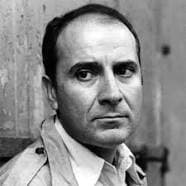
Manuel Puig

Juan Manuel Puig Delledonne, commonly called Manuel Puig, was an Argentine author. Among his best-known novels are La traición de Rita Hayworth, Boquitas pintadas, and El beso de la mujer araña which was adapted into the film released in 1985, directed by the Argentine-Brazilian director Héctor Babenco; and a Broadway musical in 1993.