BookBrief
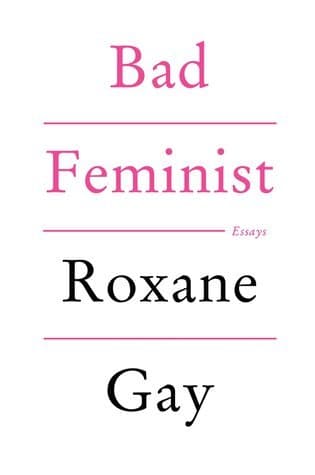
Bad Feminist cover
Archivist's Choice

Bad Feminist

Roxane Gay (2014)

Genre

Politics / Memoir

Reading Time

320 min

Key Themes

See below

Track Your Reading

Sign in to track this book

In a collection of sharp, funny, and deeply personal essays, Roxane Gay dissects pop culture, politics, and her evolving identity as a woman of color, challenging the rigid confines of modern feminism.

Core Idea

Roxane Gay's "Bad Feminist" is a collection of essays that examines the complexities of modern feminism. She argues that sticking to a single, perfect feminist identity is unrealistic and counterproductive. Through personal stories, cultural critiques, and political analysis, Gay supports an inclusive feminism that accepts the contradictions and imperfections of living as a woman, especially a woman of color, in a patriarchal society. The book says that real feminist progress comes from embracing the messiness of individual experiences and resisting the pressure to fit a 'good' feminist ideal. This opens up more space for participation and discussion about gender, race, and power.
Reading time
320 min
Difficulty
Medium
✓ Read this if...
You are interested in a nuanced, intersectional perspective on contemporary feminism, pop culture, and personal identity, delivered with wit and unsparing honesty.
✗ Skip this if...
You are looking for a prescriptive guide to feminism or prefer academic, theoretical texts over personal essays and cultural commentary.

Core idea

The central argument and framework that powers the entire book.

Roxane Gay's "Bad Feminist" is a collection of essays that examines the complexities of modern feminism. She argues that sticking to a single, perfect feminist identity is unrealistic and counterproductive. Through personal stories, cultural critiques, and political analysis, Gay supports an inclusive feminism that accepts the contradictions and imperfections of living as a woman, especially a woman of color, in a patriarchal society. The book says that real feminist progress comes from embracing the messiness of individual experiences and resisting the pressure to fit a 'good' feminist ideal. This opens up more space for participation and discussion about gender, race, and power.

At a glance

Reading time

320 min

Difficulty

Medium

Read this if...

You are interested in a nuanced, intersectional perspective on contemporary feminism, pop culture, and personal identity, delivered with wit and unsparing honesty.

Skip this if...

You are looking for a prescriptive guide to feminism or prefer academic, theoretical texts over personal essays and cultural commentary.

Key Takeaways

1

The Imperfection of 'Bad Feminism'

Embracing contradictions is essential for a more inclusive feminist movement.

Quote

I’d prefer to be a bad feminist than no feminist at all.

Gay argues that the rigid ideals of mainstream feminism often exclude many women, especially women of color. She supports 'bad feminism' as a space where one can enjoy 'un-feminist' things (like pop music, fashion magazines, or even problematic male artists) while still supporting gender equality. This view recognizes that feminism is not a single identity but a complex, evolving commitment. It allows for personal contradictions and acknowledges that perfection is an impossible standard. This ultimately expands who can identify as a f...

Supporting evidence

Gay's personal anecdotes throughout the book, like her love for pink or her enjoyment of certain problematic rap music, directly challenge the idea that a 'good' feminist must adhere to a strict set of preferences or behaviors.

Apply this

Allow yourself and others to embrace personal inconsistencies. Focus on the core principles of equality and justice rather than policing individual consumption habits or aesthetic choices within the feminist movement. Support diverse voices and perspectives, even if they don't perfectly align with your own.

intersectional-feminismfeminist-identitycultural-criticism
2

The Pervasive Nature of Misogyny

Misogyny isn't just overt sexism; it's deeply embedded in culture, often unnoticed.

Quote

We are so comfortable with misogyny, so at ease with it, that it is difficult to even notice when it is happening.

Gay examines how misogyny appears in everyday life, from media to casual conversations, often hidden by humor or tradition. She points out how it is insidious, becoming so normal that it often goes unchallenged. This normalization makes it harder to identify and fight, as people become desensitized to it. Her essays show the subtle ways women are devalued, scrutinized, and silenced, demonstrating that misogyny is not just individual acts of hatred but a systemic issue that shapes societal norms.

Supporting evidence

Her analysis of pop culture, such as the music of Chris Brown or the pervasive 'rape jokes' in comedy, demonstrates how misogyny is normalized and even celebrated. She also discusses the scrutiny women in public life face, often focused on their appearance rather than their achievements.

Apply this

Develop a critical eye towards media and everyday interactions. Challenge seemingly 'harmless' jokes or comments that perpetuate misogynistic tropes. Actively listen to and amplify women's voices, particularly those from marginalized communities, to counter their historical silencing.

systemic-misogynymedia-representationcultural-norms
3

The Burden of Representation for Women of Color

Marginalized voices are often expected to represent an entire group, stifling individual expression.

Quote

When you are a woman of color, you are often asked to be a representative of your entire race. This is an impossible burden.

Gay critiques the pressure on women of color to be perfect role models or spokespeople for their entire racial or ethnic group. This expectation denies them the complexity and individuality given to white counterparts, forcing them into narrow, often stereotypical, boxes. She argues that this burden of representation is exhausting and unfair, limiting their ability to simply exist and create without the added weight of collective responsibility. It also highlights the lack of diverse representation, where one individual must carry the...

Supporting evidence

Her discussions around black female characters in film and television, or her own experiences as a black female writer, illustrate how she and others are often seen as 'the' black woman rather than 'a' black woman, expected to embody a collective experience.

Apply this

Actively seek out diverse stories and voices, understanding that no single person can represent an entire group. Challenge the impulse to ask individuals from marginalized groups to speak for everyone like them. Create platforms for multiple perspectives from underrepresented communities.

racial-identityrepresentation-in-mediaintersectionality
4

Rethinking Sexual Violence Narratives

The way we talk about sexual violence often blames victims and absolves perpetrators.

Quote

The careless language of sexual violence is pervasive. It is everywhere. It is in our movies, our music, our books, our conversations.

Gay critiques the common stories about sexual violence, which often focus on blaming the victim, downplaying the trauma, or focusing on the perpetrator. She shows how cultural language and media often make survivors seem responsible for their assaults, or praise the aggressor, continuing a harmful cycle of silence and shame. Her essays call for a more responsible and empathetic discussion, one that prioritizes the survivor's experience and holds perpetrators accountable, shifting the focus from 'what she was wearing' to 'what he did.'

Supporting evidence

Her analysis of popular culture, including specific examples from film and music, highlights how narratives often excuse male aggression or romanticize sexual violence. She also touches on the public's reaction to high-profile cases, often demonstrating a readiness to discredit victims.

Apply this

Challenge victim-blaming language and narratives in conversations and media. Advocate for education that emphasizes consent and perpetrator accountability. Support organizations working to change the discourse around sexual violence and provide resources for survivors.

sexual-assaultvictim-blamingconsentmedia-ethics
5

The Politics of Respectability

Adhering to societal norms does not guarantee safety or equality for marginalized groups.

Quote

The politics of respectability suggest that if certain marginalized groups behave in certain ways, they will be treated with respect.

Gay examines the 'politics of respectability,' especially for Black women. This idea suggests that if marginalized individuals follow dominant societal norms—dressing 'appropriately,' speaking 'correctly,' behaving 'modestly'—they can earn respect and avoid discrimination. However, Gay argues this is false. She shows that respectability politics places an unfair burden on the oppressed, taking attention away from systemic injustices and failing to protect individuals from prejudice. It implies that discrimination comes from individual...

Supporting evidence

Her essays on racial profiling, police brutality, and the scrutiny faced by black women in public life illustrate that even when individuals conform to 'respectable' standards, they are still subject to discrimination and violence. The idea that 'good behavior' can prevent racism is debunked.

Apply this

Reject the notion that marginalized individuals must 'earn' respect or safety through conformity. Focus efforts on dismantling systemic biases and prejudices rather than placing the burden of change on the oppressed. Support and celebrate diverse forms of expression and identity.

respectability-politicssystemic-racismsocial-justiceconformity
6

The Complicated Relationship with Pop Culture

Pop culture both reflects and shapes our values, creating complex ethical dilemmas.

Quote

I am a product of the culture I consume. I am also critical of it.

Gay explores her deep, often contradictory, relationship with pop culture. She acknowledges its power to entertain, offer comfort, and shape identity, while also critiquing its problematic elements—misogyny, racism, and simplistic stories. She does not advocate for boycotting everything flawed but instead encourages a nuanced, critical engagement. This approach recognizes that culture is messy and that our consumption habits often involve ethical compromises. It pushes readers to think about how they can both enjoy and critique the me...

Supporting evidence

Her essays on 'Django Unchained,' 'The Help,' and the music of artists like Chris Brown or Robin Thicke (Blurred Lines) exemplify this dual appreciation and critique. She can enjoy the aesthetic or narrative aspects while still dissecting their troubling underlying messages.

Apply this

Cultivate media literacy by analyzing the messages and biases in the pop culture you consume. Engage in discussions about problematic media content without shaming those who enjoy it. Support creators who produce diverse, thoughtful, and ethical content.

pop-culture-analysismedia-literacycultural-consumptionethical-consumption
7

The Power and Perils of Empathy

While empathy is crucial, it cannot replace accountability or systemic change.

Quote

Empathy is a tool, not a solution.

Gay explores the complexities of empathy, especially in racial and gender issues. She acknowledges its importance in understanding others' experiences but warns against its limits. Empathy, she argues, can sometimes be performative or used to excuse harmful behavior rather than demanding justice. It can also be applied selectively, often more readily to those in power than to the marginalized. Real progress requires not just feeling for others, but actively working to dismantle the systems that cause their suffering, holding individua...

Supporting evidence

Her critiques of media portrayals of trauma (e.g., poverty, violence) that aim for 'empathy' but fall short of demanding action, or discussions around public reactions to celebrity scandals where empathy for the powerful often overshadows the harm done to victims.

Apply this

Practice genuine, active empathy that leads to action, not just passive feeling. Use empathy to inform your understanding of systemic issues, but don't let it replace the demand for accountability and justice. Challenge performative empathy that doesn't result in tangible change.

empathysocial-justiceaccountabilitysystemic-change
8

Beyond the 'Struggle Narrative'

Stories of hardship are valid, but they shouldn't be the only stories told about marginalized lives.

Quote

There is a kind of voyeurism in wanting to see struggle, and there is a kind of relief when the struggle is over.

Gay critiques the common 'struggle narrative' often placed on marginalized communities, particularly Black individuals. While acknowledging hardship, she argues that reducing their lives solely to stories of overcoming adversity is simplistic and dehumanizing. It implies that their worth is only defined by their ability to endure suffering, overlooking joy, complexity, and everyday experiences. She advocates for a broader range of storytelling that shows the full humanity of individuals, beyond their pain, and challenges the gaze that...

Supporting evidence

Her analysis of memoirs and films that focus exclusively on the suffering of black characters, often to the exclusion of other aspects of their lives, highlights how this narrative can be limiting and exploitative. She pushes for more nuanced portrayals.

Apply this

Seek out and support stories from marginalized communities that extend beyond narratives of struggle and trauma. Challenge media that sensationalizes or tokenizes suffering. Advocate for multifaceted portrayals of diverse lives, including joy, banality, and success.

storytellingrepresentationtrauma-narrativehumanization
9

The Personal is Political, and Vice Versa

Individual experiences are deeply intertwined with broader societal and political structures.

Quote

My body is a political battlefield.

Throughout the collection, Gay shows how her personal experiences—her body image, her relationships, her consumption of pop culture—are connected to larger political and social forces. She demonstrates that what might seem like individual choices or feelings are often shaped by systemic racism, sexism, and cultural expectations. This reinforces the feminist idea that 'the personal is political,' showing how large-scale injustices appear in individual realities. Her honest self-reflection is an example of how to connect individual stor...

Supporting evidence

Her essays on body image, her experiences as a professor, and her reflections on dating and relationships are all framed within the context of racial and gender politics, demonstrating how these larger forces directly impact her personal life.

Apply this

Reflect on your own personal experiences and consider how they might be influenced by broader societal structures. Engage in self-reflection that connects individual struggles to systemic issues. Use personal narratives as a starting point for advocating for political and social change.

personal-is-politicalsystemic-oppressionidentity-politicsmemoir

Critical analysis

Notable Quotes

I am a bad feminist. I would rather be a bad feminist than no feminist at all.

From the essay 'Bad Feminist: Take One', setting the tone for her nuanced and often contradictory feminist identity.

We don’t have to like other women to stand in solidarity with them.

Discussing the complexities of female relationships and the necessity of collective action despite personal feelings.

When we write about ourselves, we are trying to make sense of the world, of our experiences, of our place in the world.

Reflecting on the act of memoir and personal writing, and its purpose for both writer and reader.

Being a woman is like being a black person, in that you are not allowed to be a person of substance. You are always a woman first, or black first.

Highlighting the intersectionality of her identity and the societal tendency to essentialize individuals based on gender and race.

To be a good feminist, you must be a bad feminist.

A paradoxical statement emphasizing that rigid adherence to dogma can hinder the true spirit of feminism.

It is not enough to simply say 'I am a feminist.' We have to do the work.

Stressing the importance of active engagement and practical application of feminist principles beyond mere declaration.

Culture is what we make of it.

Discussing how popular culture shapes our understanding of the world and how we, in turn, shape culture.

We are all responsible for the culture we consume and create.

Expanding on the idea of cultural responsibility, particularly in the context of media and representation.

The language we use matters. The stories we tell matter.

Emphasizing the power of narrative and rhetoric in shaping perceptions and realities.

I often wonder if white people understand how much of the world is not for them.

Reflecting on racial privilege and the often-unseen experiences of marginalized groups.

When you are a person of color, you are always a person of color. You cannot take a day off.

Underlining the constant awareness and impact of racial identity in everyday life.

We need to move beyond the idea that there is a right way to be a woman or a feminist.

Advocating for a more inclusive and less prescriptive understanding of gender and feminism.

Sometimes, I think the only thing women have in common is that we are women.

Acknowledging the diversity within womanhood and the superficiality of some commonalities.

There are no easy answers, and those who pretend there are only make things harder.

A commentary on the complexities of social issues and the pitfalls of simplistic solutions.

I want to be seen. I want to be heard. I want to be understood.

A fundamental human desire expressed, which underpins much of her writing and advocacy.

Quiz

Test Your Knowledge

Ready to see how well you understood this book? Take our interactive quiz with 10 questions.

10
Questions
~5
Minutes
?
Best Score

Key Questions (FAQ)

Roxane Gay defines 'Bad Feminist' as someone who embraces the core tenets of feminism while acknowledging their imperfections and contradictions, such as enjoying traditionally 'unfeminist' things like pink or fashion magazines. It's about recognizing that feminism doesn't require ideological purity but rather a commitment to equality despite personal flaws or preferences.

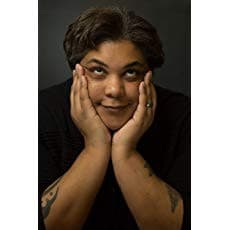
About the author