
BookBrief
After the Fire cover
Archivist's Choice

After the Fire

Belva Plain (2000)

Genre

General

Reading Time

12-15 hours

Key Themes

See below

Track Your Reading

Sign in to track this book

After a night of betrayal and a desperate act, a shattered artist must unearth the truth of her past to reclaim her children and escape her brilliant surgeon husband's devastating blackmail.

Core Idea

Belva Plain's "After the Fire" dissects the unraveling of a seemingly perfect life, exposing the power of long-held secrets and the damaging effects of betrayal. It shows that an idyllic existence is fragile, easily shattered by hidden truths, and that the quest for redemption often requires confronting buried trauma and past moral compromises. The story emphasizes how blackmail can weaponize these unspoken truths, forcing individuals to choose between self-preservation and the exposure of their past, ultimately revealing the strength of victims in their journey towards truth and healing.
Reading time
12-15 hours
Difficulty
Medium
✓ Read this if...
You enjoy family sagas focused on the slow, painful reveal of deeply buried secrets, psychological drama, and the long-term consequences of past betrayals.
✗ Skip this if...
You prefer fast-paced thrillers or light-hearted reads, or if you are sensitive to themes of trauma, blackmail, and the breakdown of seemingly perfect lives.

Core idea

The central argument and framework that powers the entire book.

Belva Plain's "After the Fire" dissects the unraveling of a seemingly perfect life, exposing the power of long-held secrets and the damaging effects of betrayal. It shows that an idyllic existence is fragile, easily shattered by hidden truths, and that the quest for redemption often requires confronting buried trauma and past moral compromises. The story emphasizes how blackmail can weaponize these unspoken truths, forcing individuals to choose between self-preservation and the exposure of their past, ultimately revealing the strength of victims in their journey towards truth and healing.

At a glance

Reading time

12-15 hours

Difficulty

Medium

Read this if...

You enjoy family sagas focused on the slow, painful reveal of deeply buried secrets, psychological drama, and the long-term consequences of past betrayals.

Skip this if...

You prefer fast-paced thrillers or light-hearted reads, or if you are sensitive to themes of trauma, blackmail, and the breakdown of seemingly perfect lives.

Key Takeaways

1

The Illusion of Perfection

Beneath a flawless facade, unseen cracks can lead to catastrophic collapse.

Quote

Gerald and Hyacinth had the kind of marriage others envied. She was a beautiful artist. He was a brilliant plastic surgeon. Theirs was a comfortable, happy home with two wonderful children. Then whispers of betrayal tainted Hy's perfect marriage.

Belva Plain dissects the 'perfect marriage' trope, showing how external appearances can starkly contrast with internal realities. The novel suggests that an idealized image, built on societal expectations, often hides simmering resentments, unaddressed issues, and basic incompatibilities. Hyacinth and Gerald's marriage, seemingly enviable, becomes an example of how a lack of genuine communication and a fear of confronting imperfections can lead to a fragile foundation. The story illustrates that 'perfection' is often a performance, an...

Supporting evidence

The initial description of Hyacinth and Gerald's outwardly successful and admired life, contrasted with the 'whispers of betrayal' that begin to unravel it.

Apply this

Examine your own relationships and societal perceptions. Are you prioritizing the appearance of happiness over genuine connection and honesty? Foster open communication and address issues directly, rather than allowing them to fester beneath a veneer of normalcy.

societal-expectationsmarital-discordillusion-of-perfection
2

Betrayal's Ripple Effect

One act of infidelity can trigger a chain reaction of deceit, desperation, and destruction.

Quote

Then whispers of betrayal tainted Hy's perfect marriage. And in one terrible night she commits an act she will regret for the rest of her life.

The narrative shows how betrayal, especially infidelity, is not an isolated incident but a catalyst for many negative consequences. Hyacinth's discovery of Gerald's infidelity does not just end their 'perfect' life; it pushes her to a desperate act, which in turn gives Gerald leverage for blackmail. Plain illustrates that trust, once broken, is difficult to mend, and the emotional fallout can lead individuals to make choices outside their usual character. The book highlights the destructive power of betrayal, not just on the betrayed,...

Supporting evidence

Hyacinth's reaction to the 'whispers of betrayal' leading to 'one terrible night' and the subsequent 'act she will regret,' which Gerald then exploits.

Apply this

Recognize the profound impact of betrayal. If you are experiencing or contemplating infidelity, understand the wide-reaching and potentially catastrophic consequences for all involved, particularly children. Prioritize honesty and address marital issues before they escalate.

infidelityconsequences-of-betrayalmarital-breakdown
3

Blackmail as a Weapon

Exploiting a spouse's vulnerability turns a shared history into a tool of control.

Quote

An act that gives Gerald the ultimate weapon: blackmail. The price of his silence is uncontested custody of their two children.

Belva Plain exposes the insidious nature of blackmail within a dissolving marriage, especially when children are involved. Gerald's use of Hyacinth's desperate act as leverage for uncontested custody is a chilling example of manipulation. It is about control and punishing the other party. This tactic turns the legal process into a personal battleground, where past mistakes are weaponized, and the well-being of the children becomes a pawn. The book shows how deeply personal knowledge can be twisted into a destructive force, trapping th...

Supporting evidence

Gerald's explicit demand for 'uncontested custody of their two children' as the 'price of his silence' regarding Hyacinth's regrettable act.

Apply this

Be aware of manipulative tactics in high-stakes divorces. If you find yourself in a similar situation, seek legal and psychological support immediately. Document everything and do not succumb to threats, especially when children's welfare is at stake. Prioritize your own safety and the safety of your children.

marital-manipulationcustody-battlesemotional-abuse
4

The Weight of Unspoken Truths

Silence, born of guilt or fear, can be as destructive as the secrets it conceals.

Quote

When her own beautiful, angry mother wants to know why she won't fight for custody, Hy can give no answers. But deep in her heart, Hy knows there is one question she must answer if she wants to free herself from a life of lies: What really happened that terrible night?

Hyacinth's inability to explain her actions, even to her own mother, highlights the burden of unspoken truths. Her silence, enforced by Gerald's blackmail and her own guilt, isolates her and prevents her from seeking the support she needs. Plain argues that while secrets might protect one from immediate consequences, they corrode from within, leading to a 'life of lies.' The journey to freedom, the book suggests, begins with confronting and articulating the hidden realities, no matter how painful, to reclaim one's agency and identity.

Supporting evidence

Hyacinth's mother's frustration at her daughter's silence regarding the custody battle, and Hyacinth's internal struggle to uncover 'what really happened that terrible night.'

Apply this

Recognize the psychological toll of keeping painful secrets. Seek trusted confidantes or professional help to process difficult experiences. Understand that breaking the silence, though daunting, is often the first step towards healing and reclaiming your life.

psychological-burdensecrets-and-lieshealing-process
5

Maternal Instinct vs. Self-Preservation

The agonizing conflict when a mother's love clashes with her need to protect a devastating secret.

Quote

The price of his silence is uncontested custody of their two children. When her own beautiful, angry mother wants to know why she won't fight for custody, Hy can give no answers.

One of the most heart-wrenching aspects of 'After the Fire' is the conflict Hyacinth faces between her maternal love and the desperate need to keep the secret of 'that terrible night.' Her decision to relinquish custody, seemingly against a mother's nature, is driven by the extreme pressure of Gerald's blackmail. Plain explores the agonizing internal debate, where the desire to protect her children from the truth clashes with the pain of separation. This tension explores the sacrifices parents make, and how external forces can distort...

Supporting evidence

Hyacinth's mother's anger and confusion over her daughter's refusal to fight for custody, which Hyacinth cannot explain due to the blackmail.

Apply this

Consider the profound pressures that can influence parental decisions in difficult circumstances. If you are a parent facing such a dilemma, prioritize your children's long-term well-being and seek legal and emotional support to navigate complex custody situations, understanding that silence can be a form of protection but also a source of immense pain.

maternal-sacrificeparental-dilemmascustody-rights
6

The Quest for Truth and Redemption

Unearthing the past is essential for reclaiming one's future and finding peace.

Quote

Only then can she reclaim her children, her pride, her life—at last.

Plain emphasizes that true freedom and redemption are linked to confronting and understanding the past. Hyacinth's journey is not just about escaping Gerald's control; it is about her own internal quest to understand 'what really happened that terrible night.' This introspection is necessary for her to move beyond guilt and regret. The novel suggests that until one fully acknowledges and processes traumatic events, they remain trapped by them. The act of seeking and accepting truth, however painful, is presented as the only path to re...

Supporting evidence

The narrative's central tension revolving around Hyacinth's need to answer 'what really happened that terrible night' to 'reclaim her children, her pride, her life.'

Apply this

If you are haunted by past events, understand that confronting them, perhaps with professional help, is vital for healing. Journaling, therapy, and honest conversations can help you process trauma and move towards a future free from the past's shadow. The truth, however difficult, is ultimately liberating.

self-discoverytrauma-recoverypersonal-growth
7

The Long Shadow of Trauma

A single traumatic event can cast a lasting shadow over an entire life.

Quote

And in one terrible night she commits an act she will regret for the rest of her life.

The novel shows how a single, traumatic event can alter the course of a person's life. Hyacinth's 'terrible night' becomes an anchor, holding her captive in a cycle of regret, silence, and emotional paralysis. Plain demonstrates that trauma is not just an event but a persistent state, influencing decisions, relationships, and self-perception long after the incident itself. The book shows the importance of addressing and processing trauma, as its unacknowledged presence can dictate one's future, preventing true healing and progress.

Supporting evidence

Hyacinth's ongoing regret 'for the rest of her life' regarding the act committed on 'one terrible night,' and its subsequent impact on her ability to fight for her children.

Apply this

Recognize that trauma's effects are far-reaching. If you or someone you know has experienced a traumatic event, prioritize seeking support. Therapy, support groups, and compassionate understanding are crucial for processing trauma and preventing it from defining one's entire life. Healing is a process, not a single event.

post-traumatic-stressemotional-paralysiscoping-mechanisms
8

The Agency of the Victim

Even in deep despair, the choice to fight for one's life and dignity remains.

Quote

Only then can she reclaim her children, her pride, her life—at last.

Despite being a victim of betrayal and blackmail, Hyacinth is not portrayed as passively helpless. The novel emphasizes her agency, particularly in her internal struggle and eventual determination to uncover the truth. Her journey from silence and regret to active pursuit of answers shows that even in the most oppressive circumstances, the human spirit retains the capacity for resilience and defiance. Plain suggests that reclaiming one's life is not given; it is fought for, often against immense internal and external odds, through a c...

Supporting evidence

Hyacinth's internal realization that she 'must answer' the question of 'what really happened' to 'free herself from a life of lies' and 'reclaim her children, her pride, her life.'

Apply this

If you feel trapped or victimized, remember that you have agency. Even small steps towards understanding your situation, seeking help, or setting boundaries can be powerful acts of resistance. Focus on what you can control and take actionable steps towards reclaiming your personal power.

resiliencepersonal-agencyovercoming-adversity

Critical analysis

Notable Quotes

There are no easy answers, only hard choices.

A recurring theme throughout the book, reflecting the difficult moral dilemmas faced by the characters.

Hate is a fire that consumes the one who holds it.

Reflecting on the destructive nature of prejudice and bigotry.

Memory is a heavy cloak, sometimes comforting, often suffocating.

A character grappling with past events and their lingering impact.

Truth is not always what you want it to be, but it is always what you need.

The painful realization of a hidden truth that upends a character's life.

Love, in its purest form, asks for nothing in return.

A reflection on unconditional love amidst personal strife.

The past is never truly dead; it just waits for the right moment to reappear.

A character confronted by secrets from their family's history.

Sometimes, the greatest strength is found in letting go.

A character's journey to forgive and move on from a traumatic event.

Family can be both the greatest comfort and the deepest wound.

Exploring the complex and often contradictory dynamics within a family.

Prejudice is a disease of the mind, passed down through generations.

A character's observation on the ingrained nature of bigotry in their community.

Hope is a fragile thing, easily shattered, but essential for survival.

A character clinging to hope in the face of despair.

The hardest battles are often fought within ourselves.

An internal struggle with guilt and self-blame.

Silence can be more deafening than any scream.

The unspoken tensions and secrets that permeate relationships.

Justice is not always swift, but it eventually finds its way.

The long and arduous path towards resolution and accountability.

To truly live, one must first confront the shadows of the past.

A character's journey of self-discovery and reconciliation with their history.

The human heart, though fragile, possesses an incredible capacity for endurance.

Reflecting on the resilience of the human spirit in overcoming adversity.

Quiz

Test Your Knowledge

Ready to see how well you understood this book? Take our interactive quiz with 10 questions.

10
Questions
~5
Minutes
?
Best Score

Key Questions (FAQ)

'After the Fire' by Belva Plain explores the dissolution of a seemingly perfect marriage between artist Hyacinth and surgeon Gerald. It delves into the aftermath of a shocking act committed by Hyacinth, which her husband uses to blackmail her into giving up custody of their children.

About the author

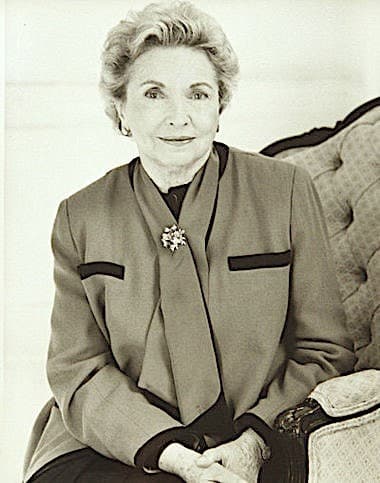
Belva Plain

Belva Plain was a prolific American author known for her sweeping historical sagas. Her debut novel, 'Evergreen,' became a bestseller, followed by numerous other successful books like 'After the Fire.' Her work often explored themes of family, ambition, and societal change across generations.