BookBrief
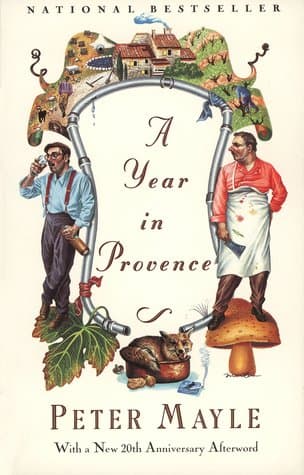
A Year in Provence cover
Archivist's Choice

A Year in Provence

Peter Mayle (1989)

Genre

Lifestyle / Biography / Memoir

Reading Time

240 min

Key Themes

See below

Track Your Reading

Sign in to track this book

Peter Mayle moves to a 200-year-old farmhouse in Provence, where he learns to live by the seasons, not the clock, navigating frosty mistrals, goat races, and regional cuisine with humor and charm.

Core Idea

Peter Mayle's "A Year in Provence" tells of his move from city life to a farmhouse in France's Luberon region. The book shows readers the unique pace of Provençal life, celebrating its food, local people, and unpredictable weather and customs. It's about living a slower, more sensory life, finding joy in the simple, often difficult, parts of a new place, and how a location can change you.
Reading time
240 min
Difficulty
Easy
✓ Read this if...
You dream of escaping to the French countryside, enjoy vivid descriptions of food and landscapes, or appreciate humorous anecdotes about cultural assimilation.
✗ Skip this if...
You prefer plot-driven narratives, are looking for deep philosophical insights, or dislike books without a strong central conflict.

Core idea

The central argument and framework that powers the entire book.

Peter Mayle's "A Year in Provence" tells of his move from city life to a farmhouse in France's Luberon region. The book shows readers the unique pace of Provençal life, celebrating its food, local people, and unpredictable weather and customs. It's about living a slower, more sensory life, finding joy in the simple, often difficult, parts of a new place, and how a location can change you.

At a glance

Reading time

240 min

Difficulty

Easy

Read this if...

You dream of escaping to the French countryside, enjoy vivid descriptions of food and landscapes, or appreciate humorous anecdotes about cultural assimilation.

Skip this if...

You prefer plot-driven narratives, are looking for deep philosophical insights, or dislike books without a strong central conflict.

Key Takeaways

1

Embrace the Rhythms of Nature

Life's pace in Provence is dictated by the seasons, not the clock.

Quote

Life in Provence is governed by the seasons, a relentless cycle of heat, wind, and rain, each bringing its own challenges and delights.

Mayle's story clearly shows how the Provençal way of life connects to nature. From winter's mistral winds to summer's heat, and the spring and autumn harvests, daily life, including food and work, depends on the weather. This seasonal rhythm encourages a deeper bond with the environment and a more patient way of living. It contrasts sharply with modern, fast-paced life, suggesting a strong reason to slow down and notice nature's subtle changes.

Supporting evidence

The detailed descriptions of the mistral wind's impact on everything from building repairs to daily moods, and the anticipation of seasonal delicacies like truffles or cherries.

Apply this

Consciously observe and adapt daily routines to local weather and seasonal changes. Prioritize seasonal produce in your diet. Spend more time outdoors, regardless of the weather, to reconnect with natural rhythms.

seasonal-livingslow-livingenvironmental-awareness
2

The Art of Culinary Devotion

Food in Provence is a celebration, a ritual, and a way of life.

Quote

The Provençal approach to food is not merely about sustenance; it is a profound expression of culture, history, and pure, unadulterated pleasure.

Mayle often points out the great importance of food in Provençal culture. It's not just about eating; it's about the whole process: choosing fresh, local ingredients from markets, careful preparation, long meals, and lively conversations. This focus makes eating an art and a shared experience, showing deep respect for produce and tradition. It offers a strong alternative to fast food, promoting mindful eating and the joy of simple, well-made food.

Supporting evidence

The elaborate descriptions of market visits, the truffle hunt, the long Sunday lunches, and the detailed recounting of various local dishes and wines.

Apply this

Prioritize fresh, local ingredients. Dedicate more time to preparing and enjoying meals, perhaps making it a social event. Explore local markets and seasonal produce, even if not in Provence.

culinary-culturegastronomylocal-food
3

Embrace the Unpredictable Charm

Life's quirks and unexpected challenges are part of the adventure.

Quote

In Provence, you learn to expect the unexpected, to embrace the delightful chaos and the occasional frustration as part of the rich tapestry of life.

Mayle's year is full of unexpected events and small problems, from strange French bureaucracy to odd local people and the difficulties of fixing an old farmhouse. Instead of getting upset, he often finds humor and charm in these situations. This suggests that a good life, especially when pursuing a long-held dream, isn't about everything being perfect. It's about adapting, finding joy in imperfections, and appreciating the unique flavor unpredictable events add. It encourages a flexible and open approach to life's surprises.

Supporting evidence

The detailed anecdotes about dealing with builders, the goat race through town, the peculiar local customs, and the often-frustrating administrative processes.

Apply this

When faced with unexpected difficulties, try to find humor or a lesson in the situation. Practice patience and flexibility, especially when dealing with new environments or cultures. Embrace the 'story' element of your own challenges.

adaptabilityresiliencecultural-quirks
4

The Value of Local Characters

True immersion comes from engaging with the unique personalities of a place.

Quote

The true essence of a place is often found not in its scenery, but in the vibrant, sometimes perplexing, personalities of its inhabitants.

Mayle's story features many interesting Provençal people—farmers, truffle hunters, chefs, and quirky neighbors. These interactions, often funny and sometimes annoying, are central to his settling in. They reveal the region's traditions, values, and humor better than any guide. This shows how important human connection is and how engaging with local communities, rather than just observing, leads to a truly rich cultural experience. It's a reminder that people are often the most valuable part of any new adventure.

Supporting evidence

The vivid portrayals of Monsieur Ménard, the truffle hunter; the various builders and their unique work ethics; the local café patrons; and the neighbors who share advice and gossip.

Apply this

Actively seek out interactions with locals when traveling or moving to a new area. Be open to different perspectives and ways of doing things. Try to learn a few phrases of the local language to facilitate connection.

cultural-immersioncommunity-engagementlocal-culture
5

Renovation as a Rite of Passage

Transforming a house is a journey of learning, patience, and unexpected discoveries.

Quote

Renovating an old Provençal farmhouse is not merely about construction; it is a profound lesson in patience, local custom, and the timeless art of adaptation.

Mayle's project to renovate his 200-year-old farmhouse runs throughout the year. It's a process with many problems: language barriers, different work ethics among local builders, unexpected structural issues, and the unpredictable nature of old buildings. Yet, through these challenges, he learns more about Provençal craftsmanship, the local pace, and his own patience. It's a symbol for settling into a new life—it's messy, takes longer than expected, but ultimately brings a satisfying sense of achievement and belonging.

Supporting evidence

The ongoing saga of the builders, the discovery of hidden wells, the problems with the roof, and the specific challenges of finding appropriate materials and labor in a rural area.

Apply this

Approach long-term projects, whether home-related or personal, with a flexible mindset. Anticipate delays and unexpected problems. View challenges as opportunities to learn and adapt, rather than as failures.

home-renovationpatienceproblem-solving
6

The Allure of Escapism

Dreams of a simpler life can be realized, but not without effort and adjustment.

Quote

Our dream of a simpler life in Provence was born of longing, and though the reality brought its own complexities, the fundamental allure remained irresistible.

Mayle's book is a classic story of leaving a busy life for a calmer one. It appeals to the common desire to escape urban stress for a slower, more real pace. While he achieves this dream, he does not hide the realities—the paperwork, cultural misunderstandings, and physical demands of country life. This highlights that while wanting to escape is a strong reason, making such a dream real needs true effort, a willingness to adjust, and acceptance that no life is completely free of problems. The dream is not passive; it needs active purs...

Supporting evidence

The initial decision to move, the comparison between his past life in England and his new life, and the persistent challenges he faces while still finding joy in the overall experience.

Apply this

If pursuing a significant life change, research and prepare for the practical challenges. Be realistic about the difficulties, but don't let them deter the pursuit of a deeply desired goal. Embrace the journey, not just the destination.

lifestyle-changedream-fulfillmentrural-life
7

The Power of Observation

Slowing down allows for a richer appreciation of life's details.

Quote

When you allow yourself to slow down, the world around you reveals a myriad of fascinating details that were previously lost in the rush.

One of the most appealing parts of Mayle's writing is his sharp attention to detail. He carefully describes everything from specific food flavors to conversation nuances, the changing light of the Provençal landscape, and his neighbors' habits. This heightened observation comes from his slower pace of life. It suggests that by stepping away from constant urgency, one can be more present and truly experience the richness of their surroundings, finding beauty and interest in everyday things. It calls for mindfulness and reminds us that ...

Supporting evidence

The detailed descriptions of the lavender fields, the precise accounts of local festivals, the sensory descriptions of food and wine, and the careful observation of human interactions.

Apply this

Practice mindfulness in daily activities, paying attention to sensory details. Keep a journal to record observations. Take regular walks without distraction, focusing solely on your surroundings.

mindfulnesssensory-experienceattentiveness
8

Navigating Cultural Differences with Humor

Laughter is the best tool for bridging cultural gaps.

Quote

Cultural misunderstandings are inevitable, but a good sense of humor can transform potential frustration into shared amusement.

Mayle often faces situations where Provençal customs, logic, or bureaucracy confuse him. Whether it's how local workers approach tasks, elaborate social customs, or seemingly illogical administrative processes, he often feels bewildered. However, his ability to tell these stories with self-deprecating humor and a lighthearted view is key. He doesn't judge harshly but observes with amusement, letting the reader laugh with him. This approach shows that cultural differences, instead of being barriers, can be sources of endless interest a...

Supporting evidence

Numerous anecdotes about the builders' schedules and methods, the intricacies of French bureaucracy (e.g., getting a phone line), and the local response to the goat race.

Apply this

When facing cultural differences, approach them with curiosity and a sense of humor. Avoid judgment and try to understand the underlying logic or tradition. Be willing to laugh at yourself and the absurdities of new situations.

cultural-understandinghumor-in-lifeintercultural-communication
9

The Enduring Appeal of Place

A strong sense of place fosters deep connection and belonging.

Quote

Provence is more than just a location; it is a character in itself, shaping those who live within its embrace.

Throughout the book, Provence itself becomes a clear character. Mayle's descriptions of the landscape, light, smells, and unique atmosphere are so vivid that the reader feels transported. This strong sense of place truly captivates him and makes his new life so compelling, despite its difficulties. It shows how deeply people can connect with a specific environment, and how that connection can greatly affect one's identity and well-being. The book suggests that finding 'your place'—a location that speaks to your spirit—is a vital part ...

Supporting evidence

The detailed descriptions of the Lubéron valley, the quality of the light, the specific flora and fauna, and the distinct 'feel' of each season in the region.

Apply this

Reflect on what qualities in a physical environment make you feel most at home or alive. Seek out places that resonate with your personal values and aesthetic. Cultivate a deeper appreciation for your current surroundings, finding its unique character.

sense-of-placegeographical-identitybelonging
10

The Value of Leisure

Unstructured time is essential for true enjoyment and connection.

Quote

In Provence, leisure is not an indulgence; it is an integral, respected part of daily life, allowing for genuine connection and appreciation.

Mayle consistently describes long, relaxed meals, afternoon naps, and extended conversations as basic parts of Provençal life. Work gets done, but not at the expense of enjoyment and rest. This greatly differs from cultures that prioritize constant work. The book quietly argues for the importance of unplanned time, not as wasted hours, but as chances for real human connection, thoughtful reflection, and the simple pleasure of being. It suggests that a life without dedicated leisure is unfulfilled, and that true richness comes from the...

Supporting evidence

The detailed accounts of lengthy lunches, the afternoon 'fermeture' (closing) of shops, the relaxed pace of social gatherings, and the general lack of urgency in most daily interactions.

Apply this

Schedule regular periods of unstructured leisure time. Prioritize long meals with loved ones without distraction. Allow for spontaneous activities and resist the urge to constantly fill every moment with productivity.

leisure-culturework-life-balancerelaxation

Critical analysis

Notable Quotes

The mistral, like a jealous lover, had swept the sky clean, leaving it a brilliant, almost painful, blue.

Describing the effect of the powerful wind on the Provençal landscape.

In Provence, the most important decision of the day is often what to eat for lunch.

Reflecting on the culinary focus of daily life in the region.

It became clear that the French, particularly the Provençaux, have a deep and abiding respect for the digestive process.

Observing the leisurely pace and importance of meals.

The French have a genius for making the simplest things seem exquisite.

Commenting on the quality and presentation of everyday items like bread and cheese.

We were learning, slowly, that time in Provence is not measured by the clock, but by the sun.

Understanding the relaxed, unhurried pace of life.

The village dogs, like their owners, were a law unto themselves.

Humorously noting the independent nature of the local canines.

There is a certain pleasure in the unexpected, particularly when it involves a bottle of local rosé and a plate of olives.

Enjoying an impromptu moment of Provençal indulgence.

The bureaucracy, like a particularly tenacious truffle, was everywhere.

Dealing with the complexities of French administrative tasks.

Life in Provence is a constant reminder that the simple things are often the best.

A concluding thought on the overall experience of living there.

The scent of lavender, thyme, and rosemary hung in the air, a natural perfume.

Describing the aromatic qualities of the Provençal landscape.

It was a good day, a day for doing nothing in particular, which is often the best kind of day in Provence.

Embracing the slow, unpressured rhythm of life.

The greatest joy of Provence is its ability to surprise you with beauty, even in the most mundane moments.

Reflecting on the pervasive charm of the region.

There's an unhurried quality to everything, as if the very air encourages you to slow down.

Observing the overall atmosphere and pace of life.

Quiz

Test Your Knowledge

Ready to see how well you understood this book? Take our interactive quiz with 10 questions.

10
Questions
~5
Minutes
?
Best Score

Key Questions (FAQ)

'A Year in Provence' is a memoir by Peter Mayle chronicling his experiences moving from England to a 200-year-old farmhouse in the Lubéron region of Provence, France. It details his humorous and warm-hearted observations of local life, culture, cuisine, and the challenges and delights of adapting to a new, slower pace of living.

About the author