Hidden Rules of Class
Unspoken norms and assumptions govern behavior within socioeconomic classes.
Quote
Each socioeconomic group has its own hidden rules that, once understood, can unlock more effective communication and interaction.
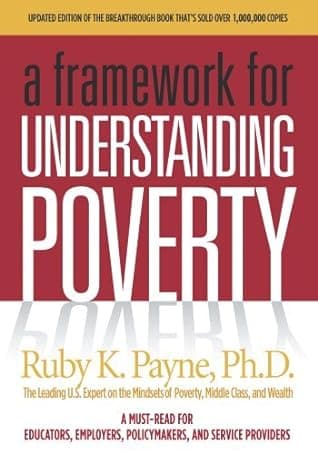
Payne states that each socioeconomic class (poverty, middle, wealth) uses a distinct set of 'hidden rules' – unspoken understandings that guide behavior, decisions, and interactions. These rules are learned without conscious effort early in life and become deeply ingrained. For people in poverty, these rules often prioritize relationships, survival, entertainment, and a more concrete, present-focused view of the world. In contrast, middle-class rules emphasize achievement, work, planning, and a future orientation. Wealth often follows...
Supporting evidence
Payne illustrates this with examples of how time, money, and education are perceived differently across classes. For instance, in poverty, time might be seen as present-focused and fluid, while in the middle class, it's structured and future-oriented.
Apply this
Professionals working with individuals from poverty should actively identify and acknowledge the hidden rules of their clients' class. Instead of judging behaviors through a middle-class lens, seek to understand the underlying logic within the client's own framework. Explicitly teach middle-class hidden rules when appropriate and necessary for success in middle-class dominated institutions (e.g., schools, workplaces).