BookBrief
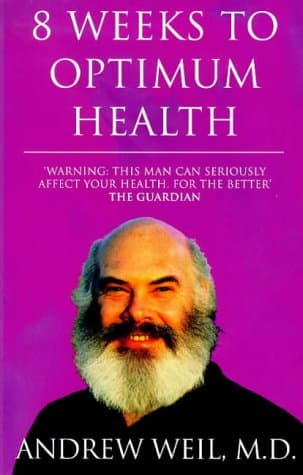
8 Weeks to Optimum Health cover
Archivist's Choice

8 Weeks to Optimum Health

Andrew Weil (2006)

Genre

Lifestyle / Spirituality / Health

Reading Time

90 min

Key Themes

See below

Track Your Reading

Sign in to track this book

Improve your body's natural healing with Dr. Weil's eight-week plan, combining diet, exercise, and mindfulness for lasting health.

Core Idea

Andrew Weil's "8 Weeks to Optimum Health" says the body can heal itself. This book shows how to improve that healing with an eight-week program. The main idea is that by using an anti-inflammatory diet, mindful breathing, regular movement, enough rest, and fewer environmental toxins, people can greatly improve their health and prevent illness. This is not about quick fixes but a slow, personal change that uses the connection between the mind and body.
Reading time
90 min
Difficulty
Medium
✓ Read this if...
You are looking for a comprehensive, structured, and holistic approach to improving your overall health and well-being, emphasizing natural healing and lifestyle changes over pharmaceuticals.
✗ Skip this if...
You prefer a quick-fix solution, are skeptical of alternative medicine, or are not prepared to commit to significant daily lifestyle adjustments over an eight-week period.

Core idea

The central argument and framework that powers the entire book.

Andrew Weil's "8 Weeks to Optimum Health" says the body can heal itself. This book shows how to improve that healing with an eight-week program. The main idea is that by using an anti-inflammatory diet, mindful breathing, regular movement, enough rest, and fewer environmental toxins, people can greatly improve their health and prevent illness. This is not about quick fixes but a slow, personal change that uses the connection between the mind and body.

At a glance

Reading time

90 min

Difficulty

Medium

Read this if...

You are looking for a comprehensive, structured, and holistic approach to improving your overall health and well-being, emphasizing natural healing and lifestyle changes over pharmaceuticals.

Skip this if...

You prefer a quick-fix solution, are skeptical of alternative medicine, or are not prepared to commit to significant daily lifestyle adjustments over an eight-week period.

Key Takeaways

1

The Body's Innate Healing Power

Harnessing your natural capacity for self-repair and resilience.

Quote

The body has an innate capacity to heal itself, and optimum health is achieved by supporting, not suppressing, this natural healing system.

Weil says that true health is not just being free of sickness, but a steady state of balance and strength. This comes from the body's natural ability to heal. This idea, often missed in regular medicine, means our bodies are made to fix themselves. The program is not about fixing broken parts, but making the conditions better for the body to repair itself and stay balanced. This means looking at physical, mental, and environmental factors together. By understanding this natural intelligence, people can move from just treating symptoms...

Supporting evidence

Weil frequently refers to the body's homeostatic mechanisms and the self-regulating nature of biological systems, drawing parallels to traditional healing practices that prioritize strengthening the individual's vital force rather than solely targeting pathogens.

Apply this

Cultivate a mindset of trusting your body's wisdom. Instead of immediately reaching for medication for minor ailments, consider if lifestyle adjustments (rest, hydration, stress reduction) could support your body's natural healing response. Focus on prevention and creating an environment where healing thrives.


holistic-healthself-healinginnate-intelligence
2

Anti-Inflammatory Diet is Key

Eating to reduce chronic inflammation, the root of many modern diseases.

Quote

Diet is the most powerful tool we have to influence the inflammatory cascade in our bodies.

A main part of Weil's program is the anti-inflammatory diet. This way of eating fights ongoing, low-level inflammation, which he says causes many long-term diseases like heart disease, cancer, and autoimmune problems. This diet focuses on whole, unprocessed foods with many antioxidants and omega-3 fatty acids. It also reduces foods that cause inflammation, like refined sugars, trans fats, and processed foods. It is not just about avoiding certain foods but actively eating nutrient-rich foods that help cells and reduce inflammation. Th...

Supporting evidence

Weil details the detrimental effects of 'toxic residues' and 'transfats,' linking them directly to increased systemic inflammation. He champions omega-3 rich foods (like salmon, flaxseed) and a high intake of colorful fruits and vegetables (for antioxidants) as crucial components.

Apply this

Prioritize whole foods: abundant vegetables, fruits, whole grains, healthy fats (olive oil, avocados), and lean proteins. Significantly reduce intake of processed snacks, sugary drinks, fried foods, and anything containing hydrogenated oils. Experiment with incorporating more anti-inflammatory spices like turmeric and ginger.

anti-inflammatory-dietchronic-inflammationnutrition
3

Conscious Breathing for Stress & Energy

Utilizing breathwork as a direct pathway to physiological regulation and well-being.

Quote

Conscious control of breathing is a powerful means of influencing the autonomic nervous system, directly impacting stress levels and energy.

Weil notes the big effect of conscious breathing on both physical and mental health. He says most people do not breathe well, which leads to stress, worry, and low energy. By teaching specific breathing patterns, like the 4-7-8 breath, he shows how people can directly control their nervous system. This helps them move from a 'fight-or-flight' state to a 'rest-and-digest' state. This simple, strong practice offers a quick way to reduce stress, improve focus, and boost energy. It shows the direct link between breathing and feeling well....

Supporting evidence

Weil introduces and explains the 4-7-8 breathing technique, which he learned from Dr. Herbert Benson, as a scientifically-backed method to induce relaxation and improve sleep. He explains its mechanism in slowing heart rate and calming the nervous system.

Apply this

Practice the 4-7-8 breathing technique twice daily: inhale for 4 counts, hold for 7, exhale for 8. Use it whenever you feel stressed, anxious, or have trouble sleeping. Integrate mindful breathing into your day, taking a few deep, slow breaths before meals or important tasks.

breathworkstress-reductionautonomic-nervous-system
4

Movement as Medicine

Embracing gentle, consistent physical activity for vitality and longevity.

Quote

Exercise doesn't have to be strenuous or complicated; consistent, moderate movement is often more beneficial for long-term health.

Unlike the intense 'no pain, no gain' idea common in some fitness groups, Weil suggests steady, moderate physical activity. He highlights walking and stretching as key parts. He says the goal is not to be a great athlete, but to keep moving, improve blood flow, reduce stress, and support overall body function. This approach makes exercise easy and possible for everyone, no matter their age or fitness level. Regular, gentle movement helps with lymphatic drainage, mood, and preventing stiffness. It helps both physical and mental health ...

Supporting evidence

Weil promotes walking as a primary form of exercise, citing its benefits for cardiovascular health, mood, and weight management, and also highlights the importance of stretching for flexibility and preventing age-related stiffness.

Apply this

Incorporate a daily brisk walk (30 minutes) into your routine. Start with short durations and gradually increase. Integrate gentle stretching or yoga a few times a week to improve flexibility. Focus on consistency over intensity, making movement a joyful, natural part of your day.

physical-activitymoderate-exercisemobility
5

Prioritizing Rest & Sleep Hygiene

Optimizing sleep as a cornerstone of repair, regeneration, and cognitive function.

Quote

Good sleep is not a luxury; it is a fundamental requirement for the body's healing processes and mental clarity.

Weil stresses that good sleep is essential for health. It is a time for cell repair, hormone control, immune function, and thinking. He points out common modern habits that disrupt sleep and gives useful ways to improve sleep. This includes making a good sleep environment, having regular routines, and dealing with things like stress or diet that stop restful sleep. By making sleep an active part of health, Weil helps people get back this important restorative process, showing its big effect on energy, mood, and preventing disease.

Supporting evidence

Weil discusses the impact of light exposure (especially blue light from screens) on melatonin production and sleep cycles. He suggests practical tips like dimming lights in the evening, establishing a regular bedtime, and creating a quiet, dark sleep environment.

Apply this

Establish a consistent sleep schedule, even on weekends. Create a relaxing bedtime routine (e.g., warm bath, reading, gentle stretching). Ensure your bedroom is dark, quiet, and cool. Avoid screens for at least an hour before bed and limit caffeine/alcohol in the evening.

sleep-hygienerestorative-sleepcircadian-rhythm
6

Minimizing Environmental Toxins

Reducing exposure to harmful chemicals in daily life for better health.

Quote

Our modern environment is saturated with toxins, and reducing our exposure is a critical step in supporting the body's detoxification systems.

Weil points out the often-ignored effect of environmental toxins on our health. From pesticides in food to chemicals in cleaning products and plastics, he says our bodies are constantly exposed, which strains our natural ways of getting rid of toxins. The program suggests making careful choices to reduce exposure, like choosing organic foods, using natural cleaning products, and being aware of materials in our homes and personal care items. This awareness helps people create a cleaner, healthier living space, reducing the burden on th...

Supporting evidence

Weil discusses the presence of 'toxic residues' in food and the prevalence of endocrine-disrupting chemicals in plastics and household products, explaining how these can negatively impact hormonal balance and overall health.

Apply this

Choose organic produce when possible, especially for the 'dirty dozen.' Use glass or stainless steel containers instead of plastic for food storage. Opt for natural, non-toxic cleaning products. Improve indoor air quality with plants or air purifiers.

environmental-toxinsdetoxificationclean-living
7

The Power of Supplements (Wisely Used)

Strategically augmenting nutrition with targeted vitamins and botanicals.

Quote

Supplements are not a substitute for a healthy diet, but they can be powerful tools to fill nutritional gaps and support specific bodily functions.

While focusing on diet as most important, Weil knows that good supplements can help achieve health, especially when soil nutrients are low and foods are processed. He suggests a focused approach, recommending specific vitamins (like D), minerals, and plant remedies (like adaptogens) to fix common deficiencies, support the immune system, or manage stress. He warns against thinking 'more is better,' suggesting informed choices based on individual needs and reliable sources. This ensures supplements support, rather than replace, a diet r...

Supporting evidence

Weil often recommends a daily multivitamin, omega-3 fatty acids, and vitamin D, explaining their broad benefits for immune health, inflammation, and bone density. He also mentions specific botanical remedies for stress or sleep support.

Apply this

Consult with a knowledgeable healthcare provider to assess your individual needs. Consider a high-quality multivitamin, omega-3 supplement, and Vitamin D. Research and choose reputable brands. Do not rely on supplements as a replacement for a poor diet.

nutritional-supplementsvitamins-mineralsbotanical-medicine
8

Mind-Body Connection is Inseparable

Recognizing the profound interplay between mental state and physical health.

Quote

The mind and body are not separate entities; they are inextricably linked, and true healing addresses both.

Weil always emphasizes the mind-body connection, saying that emotions and thoughts greatly affect physical health, and vice-versa. He argues that ongoing stress, unaddressed emotional pain, and negative thoughts can cause physical problems. At the same time, physical health can improve mental strength. His program includes practices that create emotional balance, such as mindfulness, conscious breathing, and stress reduction, along with diet and exercise advice. This complete view challenges the usual medical approach of separating th...

Supporting evidence

Weil frequently refers to the impact of chronic stress on the immune system and the digestive tract. He advocates for practices like meditation and mindfulness to cultivate emotional regulation and reduce the physiological impact of stress.

Apply this

Integrate mindfulness practices like meditation or conscious breathing into your daily routine. Cultivate positive relationships and engage in activities that bring joy. Practice gratitude. Seek support for chronic stress or emotional challenges to prevent them from manifesting physically.

mind-body-connectionstress-managementemotional-wellbeing
9

The 8-Week Gradual Transformation

Embracing a progressive, sustainable approach to lifestyle change.

Quote

Significant health improvements are best achieved through consistent, manageable changes over time, not through drastic, temporary measures.

The '8 Weeks' in the title is not a magic solution, but a way to make slow, lasting changes. Weil understands that changing one's lifestyle can be hard, so he breaks his program into manageable weekly steps. This step-by-step approach lets people build new habits slowly, avoiding feeling overwhelmed or burned out from sudden, big changes. Each week introduces new things, building on the last, which helps people feel successful. This makes the journey to health a long-term goal rather than a short, strict diet or exercise trend. This p...

Supporting evidence

The entire structure of the book is an 8-week plan, with each week introducing new dietary changes, exercise habits, breathing techniques, or environmental adjustments, demonstrating a phased approach to implementation.

Apply this

Don't try to change everything at once. Focus on one or two new habits each week. Celebrate small victories and be patient with yourself. Understand that setbacks are part of the process, and consistency over time yields the best results.

habit-formationsustainable-lifestylegradual-change
10

Personalized Health Journey

Tailoring the program to individual needs and specific health concerns.

Quote

While the core principles are universal, the path to optimum health is ultimately a personal one, requiring individual adaptation.

Weil knows that while the basic ideas of his program work for most people, individual needs and situations are very different. He gives advice for adjusting the program for specific groups, like pregnant women, older people, overweight individuals, and those at risk for cancer. This personalization is important because a single approach for everyone often does not work. By offering changes and ideas for different life stages and health problems, Weil helps readers adapt the main ideas to their unique body and lifestyle needs. This mak...

Supporting evidence

The book includes specific sections and advice tailored for 'pregnant women, seniors, overweight people & those at risk for cancer,' demonstrating an understanding of diverse physiological needs and risk factors.

Apply this

Review the specific sections in the book that relate to your age, health conditions, or lifestyle. Adjust dietary recommendations, exercise intensity, and supplement choices based on your personal needs and in consultation with a healthcare professional.

personalized-medicineindividualized-healthpreventative-care

Critical analysis

Notable Quotes

The body has a natural ability to heal itself. We just need to give it the right environment.

Introducing the foundational principle of self-healing within the 8-week program.

Food is not just fuel; it is information. It talks to your genes.

Emphasizing the profound impact of diet beyond simple caloric intake.

Inflammation is the root cause of many chronic diseases. Controlling it through diet and lifestyle is key.

Highlighting a central theme in his approach to preventing and managing illness.

Stress is not just in your head; it has profound physiological effects.

Discussing the mind-body connection and the physical impact of psychological stress.

The breath is a powerful tool for self-regulation and healing.

Introducing breathing exercises as a core component of daily practice.

Sleep is not a luxury; it is a biological necessity for optimal health.

Underscoring the critical role of adequate sleep in overall well-being.

Movement is medicine. Our bodies are designed to move.

Advocating for regular physical activity as a fundamental health practice.

The quality of your relationships profoundly impacts your health.

Exploring the social and emotional determinants of health.

Detoxification is an ongoing process, not a one-time event.

Explaining the body's natural detox pathways and how to support them daily.

Listen to your body. It has wisdom to share.

Encouraging self-awareness and intuition in making health choices.

Health is not merely the absence of disease, but a state of complete physical, mental, and social well-being.

Defining his holistic view of health, echoing the WHO definition.

Cultivating a sense of gratitude can significantly enhance your health and happiness.

Introducing practices for emotional and spiritual well-being.

The best way to predict the future is to create it.

Empowering readers to take proactive steps in managing their health outcomes.

Small, consistent changes lead to profound and lasting results.

Encouraging a gradual, sustainable approach to lifestyle transformation.

Quiz

Test Your Knowledge

Ready to see how well you understood this book? Take our interactive quiz with 10 questions.

10
Questions
~5
Minutes
?
Best Score

Key Questions (FAQ)

Dr. Weil's core philosophy centers on empowering the body's innate healing system through a holistic approach. The book provides a structured, step-by-step plan covering diet, exercise, stress management, and environmental awareness to achieve and maintain optimal health.

About the author

Andrew Weil

Andrew Weil is a physician and author known for his work in integrative medicine. His book, '8 Weeks to Optimum Health,' provides a practical guide to improving well-being through lifestyle changes. Weil's approach combines conventional and alternative health practices, emphasizing the body's innate healing abilities.