BookBrief
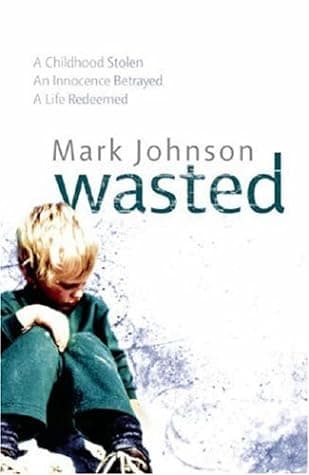
Wasted cover
Archivist's Choice

Wasted

Mark Johnson (2007)

Genre

Psychology / Biography / Memoir

Reading Time

300 min

Key Themes

See below

Track Your Reading

Sign in to track this book

From a childhood of brutal beatings and early addiction, 'Wasted' tells Mark Johnson's journey through heroin and crack dependency to becoming a successful entrepreneur who helps other recovering addicts.

Core Idea

Mark Johnson's 'Wasted' tells the story of how childhood trauma, especially in poverty and neglect, leads to addiction and crime. It argues that addiction is not a moral failing but a way to cope with lasting psychological harm, made worse by a lack of early help. The book shows that true recovery means changing one's identity, finding new purpose, and building a supportive community. It proves that even from the worst despair, change is possible through effort and by moving from victim to advocate.
Reading time
300 min
Difficulty
Medium
✓ Read this if...
You want a raw, unflinching, first-person account of overcoming severe childhood trauma, addiction, and the criminal justice system, and are interested in the psychological underpinnings of maladaptive coping mechanisms and the process of sustained recovery.
✗ Skip this if...
You are looking for a purely academic text on trauma and addiction, or prefer a less personal, more generalized approach to these topics. Readers sensitive to graphic descriptions of abuse, violence, and drug use may also find parts challenging.

Core idea

The central argument and framework that powers the entire book.

Mark Johnson's 'Wasted' tells the story of how childhood trauma, especially in poverty and neglect, leads to addiction and crime. It argues that addiction is not a moral failing but a way to cope with lasting psychological harm, made worse by a lack of early help. The book shows that true recovery means changing one's identity, finding new purpose, and building a supportive community. It proves that even from the worst despair, change is possible through effort and by moving from victim to advocate.

At a glance

Reading time

300 min

Difficulty

Medium

Read this if...

You want a raw, unflinching, first-person account of overcoming severe childhood trauma, addiction, and the criminal justice system, and are interested in the psychological underpinnings of maladaptive coping mechanisms and the process of sustained recovery.

Skip this if...

You are looking for a purely academic text on trauma and addiction, or prefer a less personal, more generalized approach to these topics. Readers sensitive to graphic descriptions of abuse, violence, and drug use may also find parts challenging.

Key Takeaways

1

The Silent Epidemic of Childhood Trauma

Unacknowledged abuse can set a trajectory for a life of addiction and criminality.

Quote

The Johnson children would turn up to school with broken fingers and chipped teeth, but no one ever thought of investigating their home life. Mark just slipped through the cracks, and kept on falling for years.

Mark Johnson's early life shows the deep, often ignored effects of childhood trauma. Despite clear signs of abuse, the system failed to step in, letting a cycle of violence continue. Children like Mark were left to deal with severe neglect and harm alone. This lack of help is not just a personal tragedy; it points to a societal blind spot where family privacy often hides the need for child protection. Lasting psychological damage from such abuse changes development, creating a deep sense of worthlessness and an inability to form healt...

Supporting evidence

The recurring incidents of the Johnson children arriving at school with visible injuries, yet no official investigation or concern being raised by authorities or school staff, serves as stark evidence of this societal failure.

Apply this

Educators, healthcare providers, and community members must be trained to recognize the subtle and overt signs of child abuse, and empowered to report them without fear of reprisal. Systems need to be in place for immediate and thorough investigation, prioritizing child safety over family privacy when harm is evident.


childhood-traumasystemic-failureabuse-neglect
2

Addiction as a Maladaptive Coping Mechanism

Substance abuse often begins as an attempt to self-medicate deep emotional pain.

Quote

A sensitive, intelligent boy, he could never stay on the right path, and though art college beckoned, he ended up in Portland prison instead.

Mark's early slide into substance abuse—stealing at seven, drinking at eight, heroin at eleven—shows how addiction starts with unaddressed pain. For many, drugs and alcohol offer a temporary escape from overwhelming emotional distress, numbing trauma, neglect, or sadness. Mark, described as 'sensitive' and 'intelligent,' had the potential for a different life, but the turmoil from his violent home pushed him toward destructive behaviors. This is not a moral failing but a desperate, though harmful, attempt to cope with an unbearable re...

Supporting evidence

Mark's progression from stealing and drinking at very young ages to heroin at eleven, directly following his traumatic home life, illustrates the self-medication aspect of his addiction.

Apply this

Treating addiction requires a holistic approach that addresses the underlying psychological wounds, not just the substance use itself. Therapy, particularly trauma-informed care, and support systems are crucial to help individuals develop healthy coping strategies and process past pain.

self-medicationsubstance-abusetrauma-informed-care
3

The Cycle of Criminality and Despair

Early criminal behavior, fueled by addiction, creates a seemingly inescapable trap.

Quote

Constantly in trouble at school, Mark began stealing at the age of seven, was drinking by the age of eight, and took his first hit of heroin at eleven.

Mark Johnson's story powerfully shows how early criminal behavior, especially with addiction, quickly becomes a self-fulfilling cycle. What might start as petty theft to fund a habit or survive on the streets quickly turns into more serious crimes. The constant need for money to support addiction pushes people into riskier, illegal acts. This lifestyle leads to jail and also destroys legal opportunities, making it very hard to break free. A criminal record, plus the stigma of addiction, closes doors to jobs, housing, and social accept...

Supporting evidence

Mark's journey through various forms of criminality – from early stealing to ending up in Portland prison – directly linked to his escalating addiction, demonstrates this cycle.

Apply this

Rehabilitation programs must offer comprehensive support beyond just sobriety, including vocational training, legal aid to address past convictions, and stable housing. Society needs to foster restorative justice models that prioritize reintegration over perpetual punishment, offering pathways for former offenders to contribute meaningfully.

criminal-justicerehabilitationrecidivism
4

The Power of Undeterred Potential

Despite profound adversity, inherent intelligence and sensitivity can persist, offering glimmers of hope.

Quote

A sensitive, intelligent boy, he could never stay on the right path, and though art college beckoned, he ended up in Portland prison instead.

Even with addiction and crime, Mark Johnson's story highlights the incredible strength of human potential. Describing him as a 'sensitive, intelligent boy' is important; it reminds us that the core self, with its ability to learn, create, and empathize, can survive even the most brutal experiences. The fact that 'art college beckoned' suggests a hidden talent and dream that, though sidetracked, never fully died. This inner potential provides the resources for recovery. It counters the idea that people caught in such cycles are lost ca...

Supporting evidence

The specific mention of Mark being 'sensitive' and 'intelligent' and having the opportunity for 'art college' highlights his latent potential despite his circumstances.

Apply this

Recovery programs and support systems should actively seek to identify and nurture individuals' inherent talents and interests, providing avenues for creative expression, education, and skill development. This can provide a sense of purpose and self-worth beyond their past struggles.

resiliencehuman-potentialinner-strength
5

Rock Bottom as a Catalyst for Change

Extreme despair can paradoxically become the necessary impetus for transformation.

Quote

Homeless, hooked on heroin and crack, no one—least of all Mark—believed he would survive. And yet, astonishingly, he somehow pulled himself through.

Mark's journey to 'rock bottom'—homeless, addicted to heroin and crack, with no one believing he would survive—is a classic, yet true, turning point in addiction stories. For many, the lowest point of their life, where all hope seems lost, becomes the key moment for change. When the pain of continuing a destructive path finally outweighs the comfort or escape of addiction, a change in will can happen. This is not romanticizing suffering, but recognizing that sometimes, the sheer desperation of one's situation forces a drastic re-evalu...

Supporting evidence

The description of Mark's lowest point – homeless, heavily addicted, and without hope – immediately preceding his eventual recovery, serves as this evidence.

Apply this

While 'rock bottom' isn't a recommended strategy, support systems should be prepared to intervene effectively when individuals reach this critical juncture. Providing immediate access to treatment, housing, and compassionate care during such moments of desperation can be life-saving.

recovery-journeyturning-pointexistential-crisis
6

The Redemptive Power of Purpose and Community

Helping others can be a powerful force in sustaining one's own recovery.

Quote

And yet, astonishingly, he somehow pulled himself through, and now runs his own thriving tree surgery business, employing and helping other recovering addicts.

Mark Johnson's change from addict to successful business owner who hires other recovering addicts shows the power of purpose and community. Real recovery often goes beyond just being sober; it means finding a new identity and a meaningful role in the world. By creating a business that supports him and gives second chances to others facing similar struggles, Mark has built a strong feedback loop. Helping others strengthens his own commitment to recovery, gives him a deep sense of purpose, and creates a supportive community where shared...

Supporting evidence

The fact that Mark now runs a 'thriving tree surgery business, employing and helping other recovering addicts' is the direct evidence.

Apply this

Recovery programs should encourage and facilitate opportunities for individuals to engage in 'service work' – helping others. This could involve peer mentorship, volunteering, or creating social enterprises that integrate those in recovery into meaningful work and community roles.

purpose-driven-lifepeer-supportsocial-enterprise
7

The Long Road of Sustainable Recovery

Recovery is an ongoing process requiring continuous effort, not a one-time event.

Quote

His story is at once shocking and inspiring a compelling account of one man’s struggle to save himself, and help save others in the process.

Mark's journey, described as a 'struggle to save himself,' stresses that recovery is rarely a straight path or a final achievement. It is a continuous, lifelong process that requires ongoing effort, self-awareness, and the ability to handle setbacks. Even after getting sober and building a new life, the shadows of past trauma and the pull of old habits can remain. Lasting recovery involves daily choices, developing strong coping skills, maintaining healthy relationships, and constantly seeking growth. It shows human endurance and the ...

Supporting evidence

The framing of Mark's story as a 'struggle' and the implication of ongoing effort, rather than a simple 'cure,' supports this idea.

Apply this

Support systems for recovery must be long-term, offering continuous access to therapy, peer support, and resources for personal development. Relapse prevention strategies and a non-judgmental approach to setbacks are crucial for fostering lasting change.

relapse-preventionlifelong-recoverypersonal-growth
8

Societal Indifference and the Cost of Neglect

The collective failure to intervene in early life trauma has far-reaching societal consequences.

Quote

The Johnson children would turn up to school with broken fingers and chipped teeth, but no one ever thought of investigating their home life.

The most troubling part of Mark Johnson's early life is the widespread societal indifference that allowed his abuse to continue. This is not just a failure of individual empathy but a systemic breakdown—schools, neighbors, and even extended family failing to act despite clear evidence of severe harm. The cost of this neglect is huge, not only for individuals like Mark, who suffer for decades, but for society as a whole. Unaddressed trauma often appears as addiction, crime, mental health crises, and homelessness, putting heavy demands ...

Supporting evidence

The repeated phrase 'no one ever thought of investigating their home life' despite visible injuries is the strongest evidence of societal indifference.

Apply this

Societies must prioritize early childhood intervention programs, mandatory reporting laws, and public awareness campaigns about child abuse. Funding for social services, mental health support, and community outreach needs to be significantly increased to create a safety net that genuinely protects vulnerable children.

social-responsibilitypublic-healthchild-protection
9

The Paradox of 'Love' and Violence

The juxtaposition of affection and abuse creates deep psychological scarring.

Quote

Mark Johnson’s father had LOVE tattooed across his left hand, but that didn’t stop the beatings.

The chilling detail of Mark's father having 'LOVE' tattooed on his hand while also severely beating him shows a deep psychological contradiction. This kind of environment—where the supposed source of affection is also the source of terror—is very damaging to a child's developing mind. It distorts their understanding of love, trust, and safety, making it very hard to form healthy attachments later in life. Children in such environments often internalize guilt, believing they are responsible for the abuse, further eroding their self-wor...

Supporting evidence

The specific detail of the father's 'LOVE' tattoo juxtaposed with the 'beatings' is the core evidence.

Apply this

Therapy for individuals from such backgrounds must address the distorted understanding of love and relationships, helping them to reframe their experiences and develop a healthier self-concept. Education about the dynamics of domestic abuse and its psychological impact is also vital.

complex-traumaattachment-disorderdomestic-violence
10

From Victim to Advocate: A New Identity

Transforming personal suffering into a mission to help others is the ultimate act of reclaiming one's narrative.

Quote

His story is at once shocking and inspiring a compelling account of one man’s struggle to save himself, and help save others in the process.

Mark Johnson's biggest achievement is not just his personal recovery, but his change from a victim to an active advocate for others. By hiring and mentoring other recovering addicts, he has found a deep purpose and effectively rewritten his own story. This shift from passively enduring suffering to actively using that experience to help a community shows human agency. It proves that the deepest wounds can, with great effort and support, become sources of strength and empathy, allowing people to break cycles of harm and become agents o...

Supporting evidence

The book's concluding statement, highlighting Mark's 'struggle to save himself, and help save others in the process,' directly supports this transformation.

Apply this

Encourage and support individuals in recovery to share their stories and experiences, both formally and informally. Create platforms and opportunities for them to contribute to prevention, treatment, and policy-making efforts, recognizing their unique insights and lived expertise.

post-traumatic-growthadvocacylived-experience

Critical analysis

Notable Quotes

The hardest thing about betrayal is that it never comes from your enemies.

Reflecting on a significant personal betrayal.

Addiction isn't about wanting to feel good; it's about not wanting to feel anything at all.

Explaining the core motivation behind his substance abuse.

You can't outrun your demons if you're carrying them with you.

Realizing the futility of geographical cures for internal struggles.

The past is a place of reference, not a place of residence.

Learning to move forward from past traumas and mistakes.

Sometimes the greatest act of love is letting go.

Pondering a difficult decision regarding a loved one caught in addiction.

Recovery is not a straight line; it's a series of small victories and hard-won lessons.

Describing the challenging and non-linear path to sobriety.

The silence was louder than any argument, filled with all the things we couldn't say.

Describing strained family dynamics and unspoken tensions.

Hope is a fragile thing, easily shattered but essential for survival.

Finding glimmers of hope amidst despair and relapse.

We often hurt the ones we love the most, not because we want to, but because they are closest to our pain.

Reflecting on the impact of his addiction on his family.

The truth, no matter how ugly, is always the first step towards freedom.

Coming clean about his struggles and secrets.

It takes courage to ask for help, but even more to accept it.

Struggling with pride and vulnerability in seeking assistance.

Forgiveness isn't about condoning what happened; it's about releasing yourself from its grip.

Working through the process of forgiving himself and others.

The greatest prison we build is often within our own minds.

Understanding the psychological traps that kept him in his addiction.

Every sunrise is an invitation to start again.

Embracing new beginnings and the daily effort of recovery.

Quiz

Test Your Knowledge

Ready to see how well you understood this book? Take our interactive quiz with 10 questions.

10
Questions
~5
Minutes
?
Best Score

Key Questions (FAQ)

'Wasted' is a powerful memoir by Mark Johnson detailing his harrowing journey through a childhood marked by abuse, early onset addiction to heroin and crack, and a life of crime, culminating in his eventual recovery and a mission to help others.

About the author