The Idols Are Falling
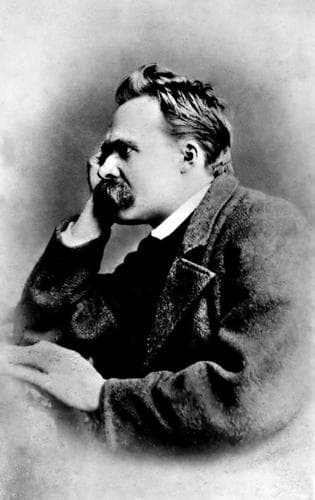
Nietzsche's hammer exposes the hollowness of traditional values.
Quote
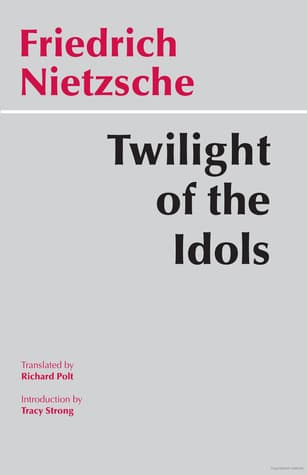
There are more idols than realities in the world: that is my 'evil eye' for this world; that is also my 'evil ear'… To question here with a hammer, and perhaps to hear as a reply that famous hollow sound which speaks of bloated entrails – what a delight for one who has ears behind his ears, for an old psychologist and rat-catcher like me!
Nietzsche's 'twilight' means not just an end, but a fresh look at the basic beliefs and values that shaped Western civilization. He uses a 'hammer' to test these 'idols' – old truths, moral systems, and philosophical ideas – to show their emptiness. This is not nihilism for its own sake, but a deep psychological diagnosis of cultural decay. He argues that many cherished ideals, from Christian morality to Socratic reason, are not strong realities but 'bloated entrails' that sound hollow when struck, showing their life-denying origins o...
Supporting evidence
The very title and opening sections of the book, where Nietzsche declares his intention to 'philosophize with a hammer' and to 'sound out' the idols, setting the stage for his critique of various cultural figures and concepts.
Apply this
Apply a critical, 'hammering' skepticism to your own deeply held beliefs, societal norms, and cultural narratives. Question their origins, their effects on vitality, and whether they truly serve life or merely perpetuate comfort and conformity. Ask: 'What does this belief actually affirm or deny about life?'