Embrace Impermanence
Life's transient nature is the ultimate teacher, not a cause for despair.
Quote
When you understand impermanence, you realize that the present moment is all you ever have.
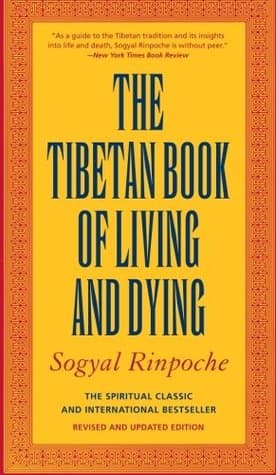
The main teaching of 'The Tibetan Book of Living and Dying' focuses on understanding and accepting impermanence (anicca). Rinpoche says that our suffering comes mostly from resisting this basic truth. We hold onto things, relationships, and even our own identities as if they will last forever. This leads to disappointment and sadness when they change or end. By realizing that everything is always changing—from our breath to mountains—we can better appreciate the present moment and let go of the worry of trying to control what cannot b...
Supporting evidence
Rinpoche frequently references the Buddhist teaching of the 'four seals' of dharma, with impermanence being the first. He also uses the analogy of clouds constantly shifting in the sky or waves in the ocean to illustrate the ever-changing nature of existence.
Apply this
Practice mindfulness of your breath and bodily sensations, noticing their constant arising and passing. Reflect daily on the impermanence of objects around you, your emotions, and even your thoughts. This helps to loosen attachment and foster a more open, accepting mindset.