BookBrief
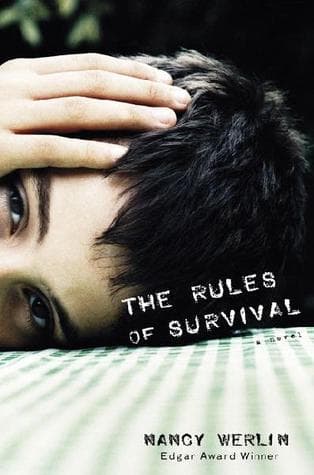
The Rules of Survival cover
Archivist's Choice

The Rules of Survival

Nancy Werlin (2006)

Genre

Psychology / Young Adult

Reading Time

250 min

Key Themes

See below

Track Your Reading

Sign in to track this book

Trapped by his abusive mother, Matt hopes a kind stranger will save them, only to learn that true freedom requires a courage he never knew he had.

Synopsis

Matt and his two younger sisters, Callie and Emmy, live in fear of their physically and emotionally abusive mother, Nikki. Their lives are a cycle of her unpredictable rages. One day, Matt sees a kind man, Murdoch, help a child in a store, sparking hope. Murdoch then dates Nikki, bringing a period of peace to the children's lives, and Matt believes Murdoch could be their savior. However, this peace shatters when Murdoch breaks up with Nikki, plunging the family back into her abuse, which now intensifies with her bitterness. Desperate, Matt reaches out to Murdoch, hoping he will intervene, but Murdoch is hesitant. Matt then decides to call Child Protective Services, which brings temporary relief but also escalates Nikki's behavior. As the situation worsens and Matt's younger brother, Paul, returns to the household, Matt realizes he must take drastic steps to protect his sisters. He confronts his mother, documenting her abuse and finding the courage to speak out, leading to the children's eventual placement with Paul. The story concludes with Matt and his siblings beginning to heal and navigate a new, safer life, learning to process their trauma and find their voices.
Reading time
250 min
Difficulty
Medium
Pacing
Moderate
Mood
Dark, Suspenseful, Thought-provoking, Hopeful (eventually)
✓ Read this if...
You want a raw, unflinching look at child abuse and the resilience of its victims, with a focus on psychological depth and the fight for survival.
✗ Skip this if...
You prefer lighthearted reads or find detailed accounts of child abuse too distressing.

Plot Summary

A Glimmer of Hope

Matt and his younger sisters, Callie and Emmy, live a terrifying life under their mother, Nikki. Their father, Paul, is mostly absent, having been driven away by Nikki's cruelty. The children create 'rules of survival' to handle Nikki's moods, always preparing for her next outburst. One day, Matt sees a man named Murdoch calmly but firmly protect a child from an abusive parent in a store. Murdoch's strength makes a strong impression on Matt, showing him what a protector could be, a stark contrast to his own helpless situation.

Murdoch's Arrival

To Matt's surprise, Murdoch soon appears in their lives as Nikki's new boyfriend. His presence initially brings a period of calm and normalcy to the household. Nikki, wanting to impress Murdoch, keeps her abusive tendencies in check. Murdoch is kind to the children, even teaching Matt to play chess. This new stability is a revelation for Matt, Callie, and Emmy, who start to experience genuine childhood joy and safety they had never known. Matt begins to see Murdoch as a potential savior, a strong figure who might finally protect them from their mother.

The Cracks Appear

As the relationship continues, Murdoch starts to see Nikki's erratic and manipulative behavior. Her attempts to control him, her sudden rages, and her psychological games become harder to hide. The fragile peace in the house begins to break, and Nikki's abuse towards her children, though initially quiet, slowly returns. Matt notices Murdoch's growing discomfort, realizing that his hero might not be able to fix everything. The children revert to their old survival tactics, the hope Murdoch brought slowly fading under their mother's illness.

The Breakup and Its Aftermath

Murdoch breaks up with Nikki. His departure shatters the brief period of stability and leaves the children more vulnerable than ever. Nikki's rage, unchecked and amplified by her heartbreak, escalates dramatically. The abuse becomes more frequent, more severe, and psychologically damaging. Matt, Callie, and Emmy are plunged back into a daily struggle for survival, their mother's cruelty now intensified by her bitterness. Matt feels a deep sense of betrayal and despair, realizing that his hope in Murdoch was wrong and that they are truly alone.

Matt's Desperate Plea

Unable to endure the escalating abuse, Matt desperately tries to contact Murdoch, writing him a letter detailing their suffering and begging for help. He holds onto the slim hope that Murdoch, the man who once saved a child, will return and save them. Murdoch eventually responds, arranging a meeting. However, instead of offering rescue, Murdoch tells Matt a harsh truth: he cannot save them from their mother, and getting involved would only make things worse. He advises Matt to seek help from official channels, like Child Protective Services, shattering Matt's last illusion of outside help.

The First Call to CPS

Following Murdoch's advice, and driven by a desperate need to protect Callie and Emmy, Matt calls Child Protective Services (CPS). Social workers visit their home, but Nikki, a master manipulator, presents a facade of normalcy and loving motherhood. She denies all accusations, and without clear physical evidence or direct testimony from the younger children, CPS cannot take immediate action. The children's fear of Nikki prevents them from speaking freely. The intervention is ineffective, only infuriating Nikki and intensifying her abuse, making Matt realize the difficulty of proving their plight.

Escalation and Paul's Return

Nikki's abuse escalates to an unbearable level after the CPS visit, ending in a terrifying incident where she physically threatens the children and destroys their belongings. This extreme outburst finally prompts their largely absent father, Paul, to return home and confront Nikki. Paul, who has always been intimidated by Nikki, finds new courage, driven by his children's visible distress and fear. His return marks a significant shift, as he tries to regain some control and protect his children, however late.

The Final Confrontation

The tension between Paul and Nikki ends in a violent confrontation. During a particularly severe episode of Nikki's abuse, Paul physically intervenes, leading to a struggle. The police are called, and Nikki's erratic and aggressive behavior leads to her arrest. This dramatic event finally removes Nikki from the household, giving Matt, Callie, and Emmy a temporary break from her abuse. The children are placed in Paul's care, and for the first time, they feel immediate safety, though the emotional scars remain.

Life with Paul and Therapy

With Nikki in jail, Matt, Callie, and Emmy begin to adjust to life with their father, Paul. Paul, though imperfect and still burdened by his past inability to protect them, makes genuine efforts to be a present and loving parent. The children start therapy to process their trauma. Matt, in particular, finds an outlet for his emotions and begins to understand the psychological complexities of his mother's behavior and his own reactions. This period marks the beginning of their long journey towards healing and establishing a more stable, secure environment.

The Ongoing Battle

Despite her arrest, Nikki remains a presence in their lives, particularly through her attempts to regain custody of the children. This forces Matt and his sisters to confront their past trauma in court, testifying about the abuse they suffered. It is a painful process, forcing them to relive their experiences and tell the truth of their mother's cruelty. This legal battle highlights the ongoing nature of their struggle, even after Nikki's removal, as they fight for a safe and peaceful future away from her influence.

Finding a Voice

Through therapy and the legal proceedings, Matt finds his voice. He can explain the 'rules of survival' he and his sisters created, describing the psychological toll of living with an abusive parent. He moves from being a passive victim to an active participant in his own healing and protection. This new ability to speak his truth is a crucial step in his personal growth, allowing him to reclaim control over his life and story. He begins to understand that true survival is not just about enduring, but about speaking out and seeking justice.

A Future, Still Unfolding

The book concludes with Matt and his sisters navigating a future that is still unfolding. While the immediate threat of Nikki's abuse is gone, the emotional scars remain, and the legal battle for permanent custody is ongoing. However, they are no longer living in constant fear. They are learning to trust their father, each other, and the process of healing. Matt understands that survival is a continuous process, but he now has the tools and the support system to face it. The ending suggests hope for a future free from the terror of their past, marked by resilience and the possibility of genuine happiness.

Principal Figures

Matt

The Protagonist

Matt transforms from a terrified, passive survivor into an active advocate for himself and his sisters, finding his voice and agency.

Nikki

The Antagonist

Nikki's character remains largely static in her abusive patterns, but her control over her children is ultimately broken by external intervention.

Callie

The Supporting

Callie gradually moves from silent suffering to finding a way to express her trauma and begin healing.

Emmy

The Supporting

Emmy experiences the abuse but is largely protected from direct confrontation, and her healing begins with the removal of the abuser.

Murdoch

The Supporting

Murdoch serves as a temporary hope, then a source of disillusionment, ultimately pushing Matt towards self-reliance.

Paul

The Supporting

Paul transforms from an absent, intimidated father to a present and protective parent, taking responsibility for his children's safety.

Mr. and Mrs. Peterson

The Mentioned

They remain static, serving as a backdrop to the family's hidden struggles.

Themes & Insights

The Nature of Abuse and Survival

The novel explores the nature of emotional and physical abuse within a family. It looks at the psychological impact on children, their coping methods, and the 'rules of survival' they create. Nikki's unpredictable cruelty and manipulation force Matt and his sisters to live in constant watchfulness, showing how abuse destroys trust and creates deep fear. The book details the children's strategies—like Matt's careful observation of Nikki's moods or Callie's retreat into art—showing how they adapt to an impossible situation, highlighting their resilience amidst trauma.

We had rules. Not written down, of course, but as real as the air we breathed. Rules of survival.

Matt (narrator)

The Search for a Hero and Self-Reliance

Matt's journey is marked by his search for a hero to save his family. Initially, Murdoch embodies this hope, representing strength and protection. However, Murdoch's inability to intervene directly forces Matt to face the reality that outside saviors often have limits. This disillusionment becomes a turning point, pushing Matt towards self-reliance. He realizes that true heroism is not waiting for someone else, but finding his own voice and courage to act, even when terrified. This theme shows the painful but necessary shift from dependence to taking charge.

I had waited for someone to save us. Now I knew that no one was coming. It had to be me.

Matt (narrator)

The Power of Voice and Truth

A theme is the struggle to find and use one's voice, especially for abuse victims. For most of the story, Matt and his sisters are silenced by fear and Nikki's manipulation. Their 'rules of survival' include not speaking out. The turning point comes when Matt, guided by Murdoch's advice, calls CPS and later testifies in court. This act of speaking truth, despite immense fear, is crucial for their freedom and healing. It shows how breaking the silence, even imperfectly, is the first step towards ending the abusive dynamic and reclaiming personal power.

It was hard to talk about it. It was like giving it more life, more power. But I knew I had to.

Matt (narrator)

Family Dysfunction and Redemption

The novel portrays extreme family dysfunction, particularly through Nikki's pathological behavior and Paul's initial passivity. It explores the devastating impact of such an environment on children, where the very people who should offer safety become sources of terror. However, the theme also touches on redemption through Paul's eventual change. His late but crucial intervention shows that even deeply flawed family members can, with courage and a change in perspective, begin to heal and protect. It highlights the complex dynamics of family bonds and the possibility of rebuilding, even after severe damage.

He was our father. He had always been there, and not been there, all at once.

Matt (narrator)

Plot Devices & Literary Techniques

First-Person Narration (Matt's POV)

The story is told entirely from Matt's perspective, offering intimate access to his thoughts and fears.

This device immerses the reader directly into Matt's traumatized mind, allowing for a deep understanding of his psychological state. His observations, internal monologues, and the 'rules of survival' he devises are central to conveying the insidious nature of the abuse. The first-person perspective effectively builds suspense and empathy, as readers experience Nikki's unpredictable behavior and Matt's desperate hopes and fears firsthand, making the emotional impact more profound and immediate.

The 'Rules of Survival'

A set of unwritten guidelines the children create to navigate their mother's abuse.

The 'rules of survival' are a recurring motif and a key plot device that illustrates the children's adaptation to their abusive environment. These rules, such as 'Never make eye contact when she's mad' or 'Don't talk back,' serve to both protect the children and highlight the abnormal reality they inhabit. They demonstrate the psychological toll of the abuse, showing how the children are forced to suppress their natural instincts and develop hyper-vigilance, becoming a stark symbol of their desperate situation and their resilience.

Murdoch as a False Hope/Catalyst

A character who initially represents salvation but ultimately serves to propel the protagonist to action.

Murdoch functions as a critical plot device by offering Matt a temporary, external hope for rescue. His initial heroic act and subsequent relationship with Nikki provide a brief reprieve and a vision of a normal life. However, his eventual departure forces Matt to confront the limitations of relying on others and serves as a catalyst for Matt to take matters into his own hands. Murdoch's role is not to save, but to highlight the necessity of Matt's self-empowerment and the difficult truth that victims must often initiate their own rescue.

Flashbacks/Non-linear Storytelling

Interspersed memories of past abusive incidents and the family's history.

While largely chronological, the narrative is punctuated by Matt's vivid recollections of past abusive incidents and the family's history, often triggered by current events. These flashbacks serve to deepen the reader's understanding of the long-term trauma and the patterns of abuse. They provide context for Nikki's behavior and the children's coping mechanisms, revealing the cyclical nature of their suffering and the deep roots of their fear, making the present events more impactful and highlighting the cumulative effect of the abuse.

Critical analysis

Notable Quotes

The rules of survival are simple: Never trust anyone. Never tell anyone anything. Never let anyone know where you live. Never let anyone know you're alone. Never let anyone know you're afraid. Never let anyone know you're hurt.

Matt's internal monologue about the rules his mother instilled in him to deal with his abusive father.

The thing about secrets is, they have a way of defining you.

Matt reflecting on the weight of the secrets he and his sister, Callie, keep.

Some monsters don't live under your bed. They live in your house, and they're the people you're supposed to love.

Matt's harsh realization about his father's true nature.

It's hard to fight a war when you're just a kid, and the enemy is your own father.

Describing the impossible situation Matt and Callie are in.

Maybe the bravest thing you can do is ask for help, even when you've been taught your whole life not to.

Matt considering reaching out for assistance despite his mother's 'rules'.

The truth is a weapon, and sometimes it's the only one you've got.

Matt contemplating the power of revealing what's happening to him and Callie.

You can't save someone who doesn't want to be saved, but you can try to save yourself.

Matt's difficult understanding of his mother's complicity and his own need for self-preservation.

Fear can make you do terrible things, but it can also make you incredibly strong.

Matt reflecting on how fear has shaped his actions and resilience.

Sometimes, the only way out is through.

A general philosophy Matt adopts when facing difficult situations.

Hope is a dangerous thing, but sometimes it's all you have left.

Matt's internal struggle with maintaining hope in a bleak situation.

The past isn't just behind you; it's a part of who you are, whether you like it or not.

Matt grappling with the lasting impact of his childhood experiences.

Being invisible might keep you safe, but it also keeps you alone.

Matt considering the double-edged sword of his family's isolation tactics.

There's a difference between protecting someone and controlling them.

Matt's growing understanding of his father's actions versus genuine care.

Sometimes, the hardest thing to do is to forgive, especially when the person you need to forgive is yourself.

Matt's internal conflict over choices he made or didn't make.

Quiz

Test Your Knowledge

Ready to see how well you understood this book? Take our interactive quiz with 10 questions.

10
Questions
~5
Minutes
?
Best Score

Key Questions (FAQ)

Matt and his sisters, Callie and Emmy, are constantly struggling to survive the emotional and physical abuse inflicted by their unstable and cruel mother, Nikki. Their daily lives are dominated by her unpredictable rages and the fear of her next outburst, which often involves verbal degradation and physical violence.

About the author