“My father always said there were two kinds of people in the world: those who owned books and those who read them. He said that the ones who read them were the lucky ones.”
— Pax's father's perspective on books and readers.

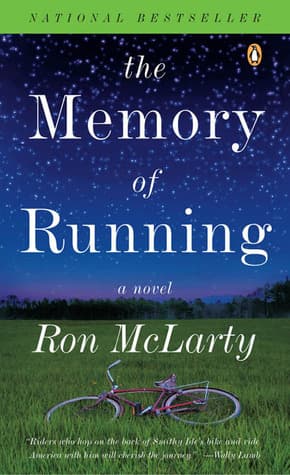
Ron McLarty (1999)
Genre
Psychology
Reading Time
10-12 hours
Key Themes
See below
Sign in to track this book
Grief-stricken and forty-three, overweight, chain-smoking Smithy Ide embarks on an epic, cross-country bicycle journey to outrun his past and rediscover the brother he was always meant to be.
“My father always said there were two kinds of people in the world: those who owned books and those who read them. He said that the ones who read them were the lucky ones.”
— Pax's father's perspective on books and readers.
“You can't outrun your past, Pax. It's always there, just behind you, breathing down your neck.”
— A recurring theme and advice given to Pax, highlighting his attempts to escape his past.
“Grief is a funny thing. It doesn't just go away. It changes. It becomes a part of you, like a scar.”
— Pax reflecting on his grief over his family members.
“The world is full of beautiful things, Pax. You just have to be willing to look for them, even when everything else is falling apart.”
— A moment of quiet reflection, emphasizing finding beauty amidst hardship.
“Sometimes, the hardest thing to do is to forgive yourself.”
— Pax grappling with self-blame and guilt.
“I learned that there's a difference between being alone and being lonely. You can be surrounded by people and still feel completely alone.”
— Pax's observations on isolation despite his journey.
“Every step you take is a choice. You can choose to keep going, or you can choose to give up.”
— A mantra for Pax as he cycles across the country.
“The past isn't a place you can visit. It's a part of who you are, woven into every fiber of your being.”
— Another reflection on the inescapable nature of one's history.
“Hope is a tricky thing. It can keep you going, but it can also break your heart.”
— Pax's internal struggle with hope and despair.
“Sometimes, the only way to find your way home is to get lost first.”
— Pax's physical and metaphorical journey to self-discovery.
“We all carry our own burdens, Pax. Some are just heavier than others.”
— A moment of shared understanding about personal struggles.
“The world doesn't owe you anything, but it also doesn't stop you from taking what you need.”
— Pax's pragmatic view on survival and agency.
“Love isn't always easy. Sometimes it's the hardest thing you'll ever do.”
— Pax's experiences with complicated familial and romantic relationships.
“Silence can be a kind of comfort, but it can also be a kind of torture.”
— Pax's internal experience with quiet moments during his long journey.
“The most important race you'll ever run is the one against yourself.”
— A reflection on overcoming personal demons and internal struggles.
Ready to see how well you understood this book? Take our interactive quiz with 10 questions.
Biography coming soon.

Rhonda Byrne
4.3

Menno Henselmans
4.3

Sylvia Plath
4.3
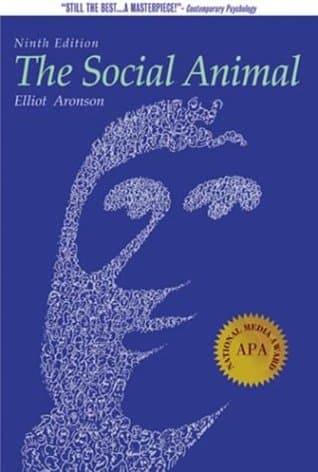
Elliot Aronson
4.3
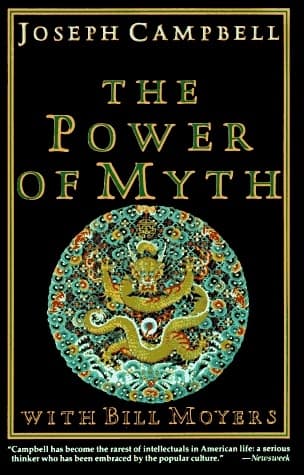
Joseph Campbell
4.3

Erich Fromm
4.3
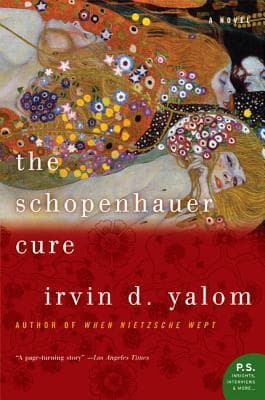
Irvin D. Yalom
4.2

Lucy Strange
4.2