BookBrief
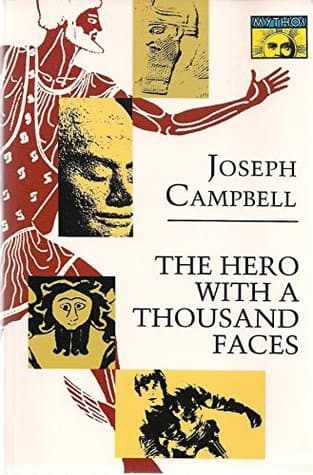
The Hero With a Thousand Faces cover
Archivist's Choice

The Hero With a Thousand Faces

Joseph Campbell (1949)

Genre

Psychology / History / Spirituality / Creativity / Philosophy

Reading Time

10-15 hours (based on 416 pages and dense content)

Key Themes

See below

Track Your Reading

Sign in to track this book

Joseph Campbell shows how ancient myths offer a psychological guide for personal growth in the modern world.

Core Idea

In "The Hero With a Thousand Faces," Joseph Campbell argues that all myths, religions, and psychological stories share a basic structure he calls the 'monomyth' or 'hero's journey.' This pattern describes a character leaving their normal world, facing trials and changes, and returning with a gift for their community. Campbell believes this journey is not just a story device. It is a symbol of deep psychological and spiritual truths in human experience. It helps people through life's problems, self-discovery, and combining conscious and unconscious parts of themselves. The book carefully breaks down the stages of this monomyth, such as the call to adventure, supernatural help, the ordeal, atonement, and the return with the elixir. Campbell uses many examples from myths, folklore, and religious texts worldwide to explain each stage. He says that understanding this pattern helps interpret the deeper meanings of human life, personal growth, and the collective unconscious. This encourages people to begin their own hero's journeys to find self-realization and contribute to the world.
Reading time
10-15 hours (based on 416 pages and dense content)
Difficulty
Hard
✓ Read this if...
You are fascinated by the underlying structures of myths, religions, and stories, and want to understand how they reflect universal human psychological and spiritual experiences.
✗ Skip this if...
You prefer concrete historical analyses or practical self-help advice over dense philosophical and mythological interpretations.

Core idea

The central argument and framework that powers the entire book.

In "The Hero With a Thousand Faces," Joseph Campbell argues that all myths, religions, and psychological stories share a basic structure he calls the 'monomyth' or 'hero's journey.' This pattern describes a character leaving their normal world, facing trials and changes, and returning with a gift for their community. Campbell believes this journey is not just a story device. It is a symbol of deep psychological and spiritual truths in human experience. It helps people through life's problems, self-discovery, and combining conscious and unconscious parts of themselves.

The book carefully breaks down the stages of this monomyth, such as the call to adventure, supernatural help, the ordeal, atonement, and the return with the elixir. Campbell uses many examples from myths, folklore, and religious texts worldwide to explain each stage. He says that understanding this pattern helps interpret the deeper meanings of human life, personal growth, and the collective unconscious. This encourages people to begin their own hero's journeys to find self-realization and contribute to the world.

At a glance

Reading time

10-15 hours (based on 416 pages and dense content)

Difficulty

Hard

Read this if...

You are fascinated by the underlying structures of myths, religions, and stories, and want to understand how they reflect universal human psychological and spiritual experiences.

Skip this if...

You prefer concrete historical analyses or practical self-help advice over dense philosophical and mythological interpretations.

Key Takeaways

1

The Monomyth: A Universal Blueprint

All heroic journeys, across cultures and time, follow a fundamental, recurring pattern.

Quote

It has always been the prime function of mythology and rite to supply the symbols that carry the human spirit forward.

Campbell's main idea is the 'monomyth,' or the hero's journey, a universal story structure in many myths, legends, and religious tales. This pattern is not just a story device. It is a psychological map showing the human mind's path toward self-discovery. The journey typically involves a call to adventure, a refusal, meeting a mentor, crossing into an unknown world, trials, a reward or change, and a return with new wisdom for the community. Recognizing this pattern helps us understand the shared human experience of facing the unknown,...

Supporting evidence

Campbell meticulously dissects myths from diverse cultures—from Osiris and Prometheus to the Buddha and Christ—demonstrating how each narrative, despite its unique cultural trappings, adheres to the underlying structure of the monomyth.

Apply this

Identify the stages of the monomyth in your own life's challenges. When faced with a significant life transition or a daunting task, frame it as a 'call to adventure' and consciously seek out the 'mentor' figures, 'trials,' and 'boons' that will emerge along the way. This reframing can provide perspective and agency.
monomytharchetypecollective-unconscious
2

The Call to Adventure: Embracing the Unknown

True growth begins when we heed the summons to leave our familiar world and face the unfamiliar.

Quote

The adventure of the hero is a journey of self-discovery, a journey that takes him out of his known world and into the unknown.

The 'call to adventure' starts the hero's journey. It often comes as an outside event or an inner desire that disrupts the hero's normal world. It signals that something is missing or needs to change. This call can be a crisis, a sudden chance, a deep unhappiness, or a strong longing. The first response is often a 'refusal of the call,' caused by fear, comfort, or feeling not good enough. But real change requires overcoming this resistance and stepping into the unknown. Accepting the call means admitting that the comfortable, familiar...

Supporting evidence

The call to adventure is exemplified by Luke Skywalker finding R2-D2 with Leia's message, or Moses encountering the burning bush, or even a young man feeling an inexplicable urge to leave his village and seek his fortune.

Apply this

Pay attention to the subtle and overt 'calls' in your own life – the opportunities, challenges, or persistent inner nudges that pull you out of your comfort zone. Instead of immediately dismissing them, consider what profound growth might lie on the other side of your initial resistance. Journal about these calls and your fears surrounding them.

call-to-adventurethreshold-guardiancomfort-zone
3

Meeting the Mentor: Guidance for the Perilous Path

Wise guides emerge to offer crucial wisdom and tools as the hero navigates the challenges of the unknown.

Quote

The hero is ready to learn, and the mentor is ready to teach.

After the hero commits to the journey, they often meet a mentor who gives guidance, gifts, or training. This mentor stands for the wisdom of the collective unconscious, the knowledge of past generations, or an inner spiritual guide. The mentor does not fight the hero's battles but gives them the tools, ideas, and encouragement to face their own trials. This stage shows how important it is to seek and accept help. Even the hardest journey benefits from the wisdom of those who have traveled similar paths. It reminds us that we are not a...

Supporting evidence

Obi-Wan Kenobi instructing Luke Skywalker, the Fairy Godmother assisting Cinderella, or even the shaman guiding the initiate through a ritual. The mentor often represents the wise old man or woman archetype.

Apply this

Actively seek out mentors in your own life, whether they are formal teachers, experienced colleagues, respected elders, or even authors whose books resonate deeply. Be open to receiving their wisdom and applying it to your challenges. Conversely, recognize when you might serve as a mentor to others.

mentorwise-old-manarchetype
4

The Belly of the Whale: Death and Rebirth

Entering the deepest, darkest unknown signifies a necessary death of the old self before true transformation can occur.

Quote

The passage into the realm of the dark is a form of self-annihilation.

The 'belly of the whale' stage shows the hero completely leaving their known world and entering the unknown. It is a symbolic death and rebirth, a moment of deep change where the hero is overwhelmed by their challenge. They lose their old identity and must face their deepest fears and limits. This stage often involves feelings of helplessness, despair, or being trapped. But it is in this tough situation that the hero changes in a basic way. Coming out of the 'belly of the whale' means a new understanding, a renewed sense of self, and ...

Supporting evidence

Jonah being swallowed by the whale, Pinocchio entering Monstro's belly, or the hero descending into the underworld in countless myths. It symbolizes a period of isolation, introspection, and profound internal struggle.

Apply this

When experiencing a period of intense difficulty, loss, or personal crisis, recognize it as a potential 'belly of the whale' moment. Instead of resisting the discomfort, lean into it as an opportunity for profound self-reflection and the shedding of old patterns or beliefs that no longer serve you. Trust that a new self will emerge.

death-and-rebirthdark-night-of-the-soultransformation
5

The Atonement with the Father: Reconciling Opposites

Confronting and integrating the dominant, often conflicting, forces of our psyche and society.

Quote

The hero must put aside his ego and accept the father, not as a tyrant, but as the source of his own being.

This stage is not always about a literal father figure. It is about facing and making peace with the ultimate authority, the main power, or the core psychological issues that control the hero's life. It shows the hero accepting the 'father principle' – whether it is society's structures, nature's forces, or the internal super-ego. This 'atonement' means bringing these powerful, often seen as controlling, forces into a more complete understanding of self and world. It requires moving past childish rebellion or obedience to a mature acc...

Supporting evidence

Luke Skywalker confronting Darth Vader and learning he is his father, Oedipus fulfilling his prophecy, or even the hero of many myths facing a formidable deity or king. It's often a moment of profound realization about one's origins or destiny.

Apply this

Identify the 'father figures' or dominant authorities (internal or external) that you struggle with. Reflect on how you can move from opposition or blind obedience to a more integrated understanding. Seek to understand their perspective and find a way to reconcile your own identity within or against these powerful forces, without sacrificing your authentic self.

father-archetypeshadow-integrationindividuation
6

The Ultimate Boon: The Gift of Transformation

The culmination of the journey, where the hero achieves profound insight or acquires a powerful artifact.

Quote

The ultimate boon is a gift of new life, a new understanding, a new way of being.

The ultimate boon is the goal of the whole adventure – finding the elixir, the treasure, the sacred knowledge, or the deep change the hero sought. This is not just a material reward. It is often a spiritual or psychological realization that gives the hero new abilities, wisdom, or a deeper understanding of life. It shows that the challenges faced and lessons learned in the unknown world have been successfully integrated. The boon is not just for the hero. Its true value is its potential to bring new life to the hero's community or the...

Supporting evidence

The Holy Grail, the Philosopher's Stone, the Golden Fleece, or Luke Skywalker destroying the Death Star and gaining self-mastery. It's the moment of ultimate triumph and acquisition of power/wisdom.

Apply this

When you achieve a significant personal or professional milestone, take time to fully acknowledge and integrate the 'boon.' How has this experience changed you? What new skills, insights, or resources have you gained? Consider how you can share this 'boon' to benefit your family, community, or wider sphere of influence.

elixirsacred-knowledgeenlightenment
7

The Return with the Elixir: Integrating the Sacred into the Profane

The hero's true challenge is bringing the wisdom of the extraordinary back to the ordinary world.

Quote

The hero is the champion of things becoming, not of things become.

After getting the ultimate boon, the hero must return to the normal world. This stage often has its own problems. The 'return with the elixir' shows the hero's duty to share their new wisdom, power, or insight with their community. This is an important and often missed stage. The hero might face resistance, misunderstanding, or even danger when trying to bring the sacred knowledge of their journey into the everyday reality of their home. The hero's real test is not just getting the boon but successfully using its changing power to cre...

Supporting evidence

Buddha returning to teach the Dharma, Christ's resurrection and ascension, or Odysseus's long journey home to reclaim his kingdom. The hero often faces challenges in being recognized or accepted after their transformation.

Apply this

After a significant learning experience, personal growth period, or professional development, consciously plan how you will 'return with the elixir.' How can you effectively communicate your insights and apply your new skills to benefit your team, family, or community? Be prepared for potential resistance and practice patience and clear articulation.

reintegrationsacred-profanesocial-impact
8

Myth as Psychology: A Map of the Psyche

Myths aren't just ancient stories; they are symbolic representations of our inner psychological landscape.

Quote

Myth is the secret opening through which the inexhaustible energies of the cosmos pour into human cultural manifestation.

Campbell, greatly influenced by Jungian psychology, says that myths are not just historical accounts or made-up stories. They are deep psychological dramas playing out on a grand scale. They offer symbolic language for the complex, often unconscious processes of the human mind. The characters, monsters, and magic in myths represent archetypal forces, fears, desires, and parts of the self that we all meet inside. By studying these myths, we understand our own inner workings, universal human motivations, and find guidance for our person...

Supporting evidence

Campbell frequently references Carl Jung's concept of archetypes and the collective unconscious, demonstrating how figures like the 'Great Mother,' the 'Wise Old Man,' or the 'Shadow' appear consistently across diverse mythologies as embodiments of universal psychological patterns.

Apply this

When you encounter a myth, fairy tale, or even a popular movie, consider what psychological archetypes and internal conflicts it might represent for you. Reflect on how the hero's struggles and triumphs mirror your own inner journey of self-discovery and integration.

jungian-psychologyarchetypescollective-unconscioussymbolism
9

The Role of Suffering: The Crucible of Transformation

Pain and difficulty are not roadblocks but essential catalysts for profound personal growth and self-realization.

Quote

Where you stumble, there lies your treasure.

Campbell emphasizes that the heroic journey is rarely easy. Suffering, trials, and hard times are not random. They are basic to the process of change. These challenges act as a test, building new strengths, showing hidden resources, and forcing the hero to let go of old ways that no longer serve them. Without the 'dragon' to fight, the hero cannot truly find their courage. Without the 'descent into the underworld,' they cannot truly appreciate the light. This view sees hardship not as something to avoid, but as a necessary part of a f...

Supporting evidence

The numerous trials faced by Odysseus on his journey home, the temptations endured by the Buddha under the Bodhi tree, or Hercules's twelve labors. Each challenge pushes the hero to their limits, forcing adaptation and growth.

Apply this

When facing significant hardship or failure, resist the urge to simply retreat. Instead, consciously look for the lessons embedded within the struggle. Ask yourself: What is this challenge forcing me to learn? What old patterns is it helping me to release? How can this adversity ultimately make me stronger and wiser?

resilienceadversitygrowth-mindsetself-realization
10

Following Your Bliss: The Inner Call to Authenticity

The ultimate purpose of the journey is to discover and live in alignment with your deepest, most authentic self.

Quote

Follow your bliss and the universe will open doors where there were only walls.

Beyond the stages, Campbell's most famous advice is to 'follow your bliss.' This is not about seeking short-term pleasure. It is a deep command to find and pursue what sparks your deepest passion, purpose, and sense of aliveness. This 'bliss' is the inner guide leading you toward your unique heroic journey. It is the call of your true self, urging you to engage with the world in a way that feels meaningful and true to your spirit. By daring to follow this inner calling, even when it leads to uncertainty, one aligns with life's flow an...

Supporting evidence

Campbell doesn't provide specific myths for this, but rather articulates it as a distillation of the hero's ultimate motivation and reward across all journeys – the profound satisfaction of living a life true to one's deepest self, like an artist compelled to create or a scientist driven by curiosity.

Apply this

Regularly reflect on what truly brings you joy, meaning, and a sense of purpose. Identify areas in your life where you might be compromising your 'bliss' for external expectations. Take small, intentional steps to align your daily actions and long-term goals more closely with your deepest passions and values. Trust your intuition.

authenticitypurposeself-actualizationintuition

Critical analysis

Notable Quotes

The cave you fear to enter holds the treasure you seek.

Discussing the hero's journey and the challenges that lead to self-discovery.

It is by going down into the abyss that we recover the treasures of life. Where you stumble, there lies your treasure.

Emphasizing the importance of confronting one's fears and the unconscious.

The hero, whether god or goddess, man or woman, the youth or the mature, is symbolic of that divine incarnation of which the world is the body and the spirit is the animating principle.

Defining the universal nature of the hero across cultures and time.

Follow your bliss. Find where it is and don't be afraid to follow it.

Encouraging individuals to pursue their deepest passions and callings.

The ultimate aim of the quest must be to bring the cocoon of the past into the present, and so to make it fruitful for the future.

Highlighting the transformative power of the hero's journey for both the individual and society.

The ultimate adventure, when we dare to take it, is a voyage into the wilderness of the self.

Describing the internal journey of self-discovery as the most profound quest.

Myth is the secret opening through which the inexhaustible energies of the cosmos pour into human cultural manifestation.

Explaining the role of myth in connecting humanity to universal truths and energies.

The world is a playground, and we are here to play.

A more lighthearted perspective on life's journey and the joy of existence.

The first step to the knowledge of the hero is to become aware of the hero within.

Emphasizing that the heroic journey begins with self-awareness and inner exploration.

Where we thought to find an abomination, we shall find a god; where we thought to slay another, we shall slay ourselves; where we thought to travel outward, we shall come to the center of our own existence; where we thought to be alone, we shall be with all the world.

Describing the profound inversions of perception and understanding that occur during the hero's transformation.

The ultimate boon is the knowledge that transcends all pairs of opposites, the realization of the identity of all things.

Referring to the highest spiritual achievement of the hero's journey: enlightenment and unity.

Every hero is the hero of an infinite number of possible adventures.

Highlighting the potential for continuous growth and new challenges in life.

The journey of the hero is about the courage to seek the depths; the courage to risk the unknown.

Summarizing the essential qualities required for undertaking the heroic path.

The treasure is not gold, but the transformation of the spirit.

Clarifying that the true reward of the hero's quest is internal growth, not material gain.

Quiz

Test Your Knowledge

Ready to see how well you understood this book? Take our interactive quiz with 10 questions.

10
Questions
~5
Minutes
?
Best Score

Key Questions (FAQ)

The book introduces the concept of the 'monomyth,' or the hero's journey, arguing that a universal pattern of adventure and transformation underlies heroic narratives across all cultures and times. It posits that this pattern is deeply relevant to individual psychological development and the quest for a meaningful life.

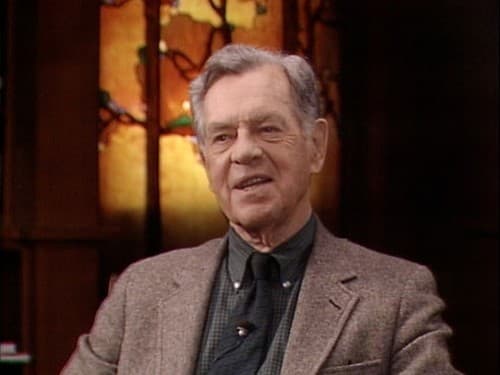
About the author