BookBrief
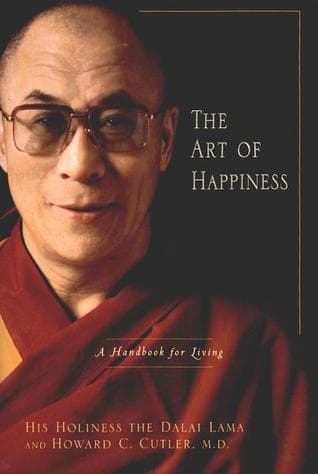
The Art of Happiness cover
Archivist's Choice

The Art of Happiness

Dalai Lama XIV (1998)

Genre

Psychology / Biography / Spirituality / Philosophy / Self-Help

Reading Time

240 min

Key Themes

See below

Track Your Reading

Sign in to track this book

The Dalai Lama, guided by a Western psychiatrist, shares practical wisdom on finding lasting inner peace amid life's challenges and achieving happiness.

Core Idea

Happiness is a skill developed through consistent inner work, not a fixed state or a result of external events. This means training the mind to manage difficult emotions and embrace compassion. By understanding suffering and impermanence, people can turn adversity into opportunities for growth and wisdom. This leads to deep contentment, independent of possessions or fleeting pleasures. True happiness comes from altruism, self-discipline, and a strong sense of connection with others.
Reading time
240 min
Difficulty
Easy
✓ Read this if...
You are seeking practical, time-tested wisdom on how to cultivate lasting happiness and inner peace, grounded in Buddhist philosophy yet accessible to a general audience. You are open to exploring the role of compassion, mindfulness, and overcoming destructive emotions in daily life.
✗ Skip this if...
You are looking for a purely scientific or psychological self-help book without spiritual or philosophical undertones, or if you are not interested in introspective practices and the concept of mind training.

Core idea

The central argument and framework that powers the entire book.

Happiness is a skill developed through consistent inner work, not a fixed state or a result of external events. This means training the mind to manage difficult emotions and embrace compassion. By understanding suffering and impermanence, people can turn adversity into opportunities for growth and wisdom. This leads to deep contentment, independent of possessions or fleeting pleasures. True happiness comes from altruism, self-discipline, and a strong sense of connection with others.

At a glance

Reading time

240 min

Difficulty

Easy

Read this if...

You are seeking practical, time-tested wisdom on how to cultivate lasting happiness and inner peace, grounded in Buddhist philosophy yet accessible to a general audience. You are open to exploring the role of compassion, mindfulness, and overcoming destructive emotions in daily life.

Skip this if...

You are looking for a purely scientific or psychological self-help book without spiritual or philosophical undertones, or if you are not interested in introspective practices and the concept of mind training.

Key Takeaways

1

Happiness is a Skill, Not a State

Cultivate happiness through intentional effort and mental training, rather than waiting for external circumstances.

Quote

The very motion of our life is towards happiness.

The book shows happiness not as a fleeting emotion or luck, but as a skill, a cultivated state of mind. It challenges the common idea that happiness depends on external things like wealth, success, or perfect relationships. Instead, it suggests that true, lasting happiness comes from within and can be developed through mental discipline and specific practices. This view gives individuals control, shifting it from outside events to their own actions. It means anyone can achieve more well-being, regardless of their current situation. It...

Supporting evidence

The Dalai Lama's own life, marked by exile and immense hardship, yet characterized by profound joy and equanimity, serves as the primary evidence. His ability to maintain inner peace despite external turmoil demonstrates the power of cultivating an internal source of happiness.

Apply this

Start a daily practice of mindfulness meditation or gratitude journaling to intentionally shift focus towards positive internal states. Dedicate 10-15 minutes each morning to reflect on things you are grateful for, or engage in a simple breathing exercise to calm the mind and reduce mental chatter.


mindfulnessinner-peacemental-cultivation
2

Suffering as a Path to Wisdom

Embrace adversity as an opportunity for growth and deeper understanding, rather than resisting or avoiding it.

Quote

Suffering can be a source of tremendous wisdom.

This idea challenges the human tendency to avoid suffering. The Dalai Lama states that suffering is an unavoidable part of life and a strong force for personal growth and spiritual insight. By seeing suffering not as an enemy but as a teacher, we can learn valuable lessons, build resilience, and develop compassion. This does not mean seeking pain, but approaching unavoidable hardship with an open mind, seeking to understand its origins and its power to refine character. It is a perspective that allows people to find meaning even in di...

Supporting evidence

The Dalai Lama recounts stories of individuals who, after enduring immense suffering (such as political imprisonment or loss), emerged with profound wisdom, deeper empathy, and a stronger sense of purpose. He also draws on Buddhist teachings that emphasize the impermanence of all things, including suffering.

Apply this

When facing a difficult situation, instead of immediately seeking escape, pause and ask: 'What can I learn from this experience?' Reflect on past hardships and identify how they contributed to your personal development or changed your perspective for the better.

resilienceadversitypersonal-growth
3

The Power of Compassion

Extend genuine empathy and care to others, recognizing it as the ultimate source of both individual and collective happiness.

Quote

If you want others to be happy, practice compassion. If you want to be happy, practice compassion.

Compassion is the foundation of true happiness and a meaningful life. The book argues that self-focus and too much attention on one's own desires often lead to anxiety and dissatisfaction. In contrast, actively developing concern and empathy for others benefits not only them but also greatly improves our own well-being. This is not just altruism; it is a practical way to find happiness. Connecting with others and easing their suffering creates a strong sense of purpose, reduces isolation, and promotes positive emotions. It highlights ...

Supporting evidence

The Dalai Lama often refers to scientific studies (as understood at the time of writing) that link compassionate behavior to reduced stress and increased well-being. He also shares anecdotes of individuals whose lives were transformed by acts of selfless service.

Apply this

Perform a random act of kindness daily, even something small like offering a genuine compliment or holding a door for someone. Practice 'empathetic listening' by truly focusing on understanding another person's perspective without judgment or interruption.

empathyaltruisminterconnectedness
4

Overcoming Destructive Emotions

Understand the roots of anger, fear, and insecurity to dismantle their power and achieve inner peace.

Quote

The ultimate source of happiness is not money and power, but warm-heartedness.

The book examines common difficult emotions like anger, fear, and insecurity, showing how they work and offering ways to manage them. It notes that these emotions, while natural, often come from misunderstanding, attachment, and an exaggerated sense of self. By seeing that these emotions are temporary and ultimately unhelpful, people can start to lessen their hold. The Dalai Lama suggests self-observation and analysis, encouraging readers to look at what triggers their negative emotional patterns and what happens afterward. This self-...

Supporting evidence

Dr. Cutler, as a psychiatrist, provides a Western psychological framework to understand the neurological and cognitive aspects of these emotions, complementing the Dalai Lama's spiritual insights. The book offers specific examples of how anger escalates and how fear paralyzes, and then counters these with stories of how individuals overcome them.

Apply this

When you feel anger or fear rising, pause and identify the specific thought or trigger that initiated the emotion. Instead of reacting immediately, take a few deep breaths and consciously choose a different response, perhaps one of understanding or detachment.

emotional-regulationself-awarenesscognitive-restructuring
5

The Illusion of Self-Importance

Lessen ego-centricity to reduce suffering and foster greater connection with the world.

Quote

Much of our suffering comes from an exaggerated sense of self-importance.

One of the key ideas is that an inflated sense of self-importance, or ego, is a main cause of suffering. When we see ourselves as the center of the world, every slight, failure, and unmet desire feels bigger, leading to anxiety, frustration, and isolation. The book encourages a shift from this self-focused view to one that recognizes our connection to others and the wider world. By reducing the ego's power, people can feel more free from worry, develop humility, and open themselves to more meaningful relationships and a broader sense ...

Supporting evidence

The Dalai Lama often shares anecdotes of how individuals become consumed by their own problems, leading to greater distress, and contrasts this with the liberation experienced when they focus on others or a larger cause. He also references Buddhist concepts of 'no-self' or 'interdependence' to illustrate this point.

Apply this

Practice 'self-forgetting' by engaging fully in an activity that benefits others or requires your complete attention, like volunteering, deep creative work, or engaging in a demanding sport. Regularly reflect on your place within the larger community or ecosystem.

ego-transcendencehumilityinterdependence
6

Finding Meaning in Loss

Navigate grief and impermanence by accepting the natural cycle of life and finding wisdom in suffering.

Quote

When we are faced with a tragedy, we can either give up or we can use the experience to become stronger and wiser.

The book addresses the universal experience of loss, offering a caring yet practical approach to grief and impermanence. It acknowledges the pain of losing loved ones or facing setbacks, but also stresses the importance of accepting these as part of the human condition. Instead of falling into despair, the Dalai Lama suggests that loss can be a teacher, making us face the temporary nature of life and re-evaluate our priorities. By accepting impermanence, people can better appreciate the present moment and find meaning even in deep sad...

Supporting evidence

The Dalai Lama shares stories of individuals who have experienced profound loss (e.g., losing children, homes, or entire ways of life) and how they eventually found strength and purpose through their suffering, often by helping others who faced similar hardships.

Apply this

When experiencing loss, allow yourself to feel the grief, but also consciously seek out small ways to honor what was lost or to channel your emotions into something constructive, like helping others who are suffering or engaging in a creative outlet.

grief-processimpermanenceacceptance
7

Beyond Materialism

Recognize that true happiness cannot be bought and lies in inner wealth, not external possessions.

Quote

The ultimate source of happiness is not money and power, but warm-heartedness.

A repeated idea is the criticism of materialism as a path to happiness. The book argues that while material comforts can ease some suffering, they are not enough for lasting inner peace and joy. The constant pursuit of wealth and possessions often leads to a cycle of desire, temporary satisfaction, and renewed craving, never truly meeting the deeper human need for connection, meaning, and contentment. The Dalai Lama encourages readers to change their priorities, understanding that real happiness comes from inner qualities like compass...

Supporting evidence

The Dalai Lama provides examples of wealthy individuals who remain unhappy, and conversely, people with very few material possessions who exude profound joy and contentment. He also points out the endless cycle of desire that consumerism fosters.

Apply this

Conduct a 'material detox' by decluttering your living space and donating items you no longer need. Consciously reduce your consumption of non-essential goods for a period, and redirect the time or money saved towards experiences, relationships, or charitable giving.

non-attachmentconsumerisminner-wealth
8

The Cultivation of Optimism

Develop a positive outlook by intentionally focusing on the good and maintaining hope, even in dire circumstances.

Quote

Whether we are optimistic or pessimistic, the future is still uncertain. So why not be optimistic?

Optimism, as described in the book, is not naive denial but a deliberate mental choice. It means choosing to see possibilities, keeping hope, and believing in positive change, even when facing big challenges. The Dalai Lama argues that a pessimistic outlook drains energy, limits potential, and adds to suffering. Optimism, on the other hand, provides the mental strength to keep going and find solutions. This cultivated optimism comes from understanding impermanence and the potential for change, both within oneself and in the world. It ...

Supporting evidence

The Dalai Lama's personal history, marked by the occupation of Tibet and his subsequent exile, yet his unwavering commitment to peace and a positive future for his people, exemplifies profound optimism. He shares stories of individuals who faced insurmountable odds but maintained hope and ultimately achieved their goals.

Apply this

Start a 'gratitude journal' where you list 3-5 specific things you are grateful for each day. When faced with a problem, consciously brainstorm three potential positive outcomes or solutions, even if they seem unlikely at first.

hopepositive-psychologyresilience
9

Mind-Body Connection for Well-being

Recognize the profound interplay between mental states and physical health, advocating for holistic well-being.

Quote

The mind and body are intimately connected. What affects one affects the other.

The book highlights the important link between our mental state and our physical health. It shows how ongoing negative emotions like stress, anger, and anxiety can lead to physical problems, while a calm and compassionate mind can improve physical vitality and resilience. This complete view challenges the Western tendency to separate mental and physical health, asserting that true well-being needs attention to both. The Dalai Lama suggests that finding inner peace through practices like meditation and compassion can have real positive...

Supporting evidence

Dr. Cutler brings in modern medical and psychological understanding of the psychosomatic link, citing research that connects stress to various illnesses and positive emotions to improved immune function. The Dalai Lama's own healthy aging and vibrant energy are also presented as anecdotal evidence.

Apply this

Integrate short meditation or deep breathing exercises into your daily routine to reduce stress. Pay attention to how your body feels when you experience strong emotions, and conversely, how physical discomfort can impact your mood, to better understand this connection.

psychosomaticholistic-healthstress-reduction
10

The Importance of Friendship

Cultivate genuine, warm relationships as a vital component of happiness and support.

Quote

Human beings are social animals. We need one another.

Despite focusing on inner development, the book also emphasizes the essential role of real human connection and friendship in achieving happiness. It argues that isolation and loneliness cause much suffering, while warm, supportive relationships offer comfort, meaning, and belonging. The Dalai Lama encourages building genuine friendships based on mutual respect, trust, and compassion, rather than superficial connections. These relationships protect against life's hardships, provide opportunities for shared joy, and reinforce our inter...

Supporting evidence

The Dalai Lama often speaks of the importance of his own spiritual community and his personal friendships. Dr. Cutler cites sociological and psychological research on the benefits of social support networks for mental and physical health.

Apply this

Reach out to a friend you haven't spoken to in a while and schedule a meaningful conversation or activity. Actively seek opportunities to connect with new people who share your values or interests, and be open and vulnerable in your existing relationships.

social-connectionbelonginginterpersonal-relationships

Critical analysis

Notable Quotes

The very purpose of our life is to seek happiness.

Early in the book, setting the fundamental premise of human existence.

If you want others to be happy, practice compassion. If you want to be happy, practice compassion.

Highlighting compassion as a dual benefit for self and others.

Suffering is not caused by the external event but by your reaction to it.

Discussing the role of perception and inner attitude in dealing with adversity.

A calm mind brings inner strength and self-confidence, so that's very important for good health.

Connecting mental tranquility with overall well-being and resilience.

We can live without religion and meditation, but we cannot survive without human affection.

Emphasizing the essential human need for connection and love over formal practices.

The greatest degree of inner tranquility comes from the development of love and compassion.

Reinforcing compassion as the ultimate path to inner peace.

The more you are motivated by love, the more fearless and free your action will be.

Explaining how love as a motivator removes fear and allows for greater freedom.

From the moment of birth, every human being wants happiness and does not want suffering. Neither social conditioning nor education nor ideology affect this. From the very core of our being, we simply desire contentment.

Describing the universal and innate human desire for happiness and aversion to suffering.

Even when we have a great deal of wealth, if we have a lot of anger, a lot of hatred, a lot of jealousy, that happiness is destroyed.

Illustrating how negative emotions can undermine external success and happiness.

Open your arms to change, but don't let go of your values.

Advising on how to embrace new experiences while maintaining one's core principles.

It is necessary to make a distinction between happiness and pleasure.

Differentiating between fleeting sensory gratification and deeper, more lasting contentment.

When we feel love and kindness toward others, it not only makes others feel loved and cared for, but it helps us to develop inner happiness and peace.

Explaining the reciprocal nature of giving love and receiving inner peace.

The ultimate source of happiness is not money and power, but warm-heartedness.

Contrasting external measures of success with the true origin of happiness.

It is not enough to be compassionate. You must act.

Emphasizing the importance of putting compassion into practical action.

Quiz

Test Your Knowledge

Ready to see how well you understood this book? Take our interactive quiz with 10 questions.

10
Questions
~5
Minutes
?
Best Score

Key Questions (FAQ)

'The Art of Happiness' conveys that happiness is the ultimate purpose of life and is attainable through cultivating inner peace, compassion, and wisdom. It offers practical insights from the Dalai Lama on how to overcome common emotional obstacles and find lasting contentment.

About the author

Dalai Lama XIV

His Holiness the 14th Dalai Lama is the spiritual leader of Tibetan Buddhism and a Nobel Peace Prize laureate. He is the author of numerous books, including the international bestseller "The Art of Happiness" and "Ethics for the New Millennium." His teachings focus on compassion, interfaith dialogue, and secular ethics.